
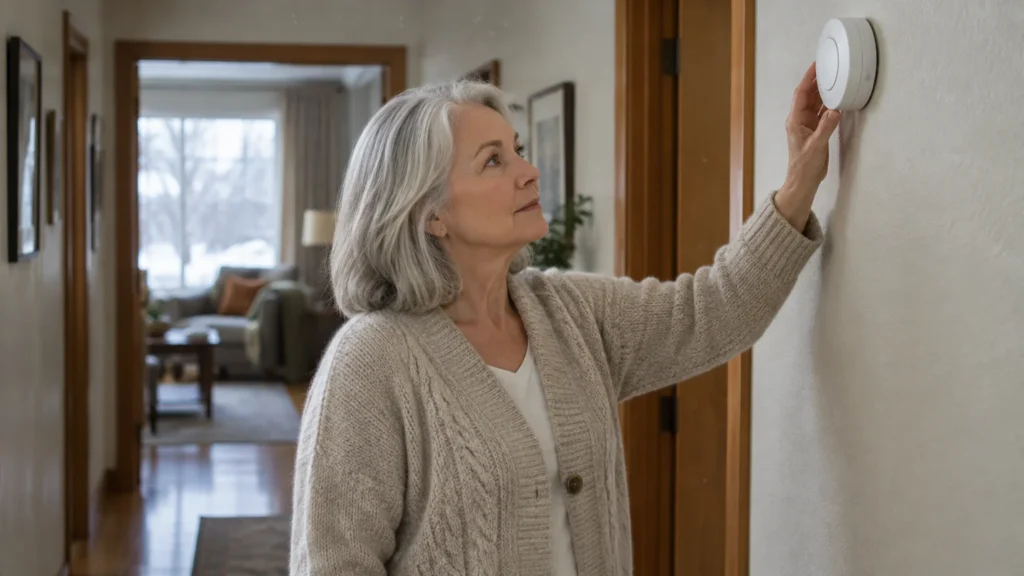
Federal safety regulators recently announced the recall of more than 210,000 combination carbon monoxide and gas detectors due to fatal failure risks. If you rely on plug-in alarms to protect your home during winter, check your devices immediately.
The U.S. Consumer Product Safety Commission flagged models that fail to sound an alarm during hazardous carbon monoxide leaks. Winter heating equipment creates real risks, and a malfunctioning monitor leaves your household vulnerable.
Here is how to identify whether your alarm is part of the recall, claim your free replacement, and perform critical home heating checks today.
The Steadfast Haven Detector Recall: What You Need to Know
On November 25, 2026, the Consumer Product Safety Commission issued Recall No. 27-109 for roughly 210,410 Steadfast Haven 4-in-1 detectors.
Zenara Commerce sold these plug-in units online at truststeadfast.com between February 2026 and September 2026 for $48 to $70.
The recalled units can fail to alert residents to dangerous carbon monoxide concentrations, posing severe injury or death hazards.
Zenara received one report of a Model KH158 failing to sound an alarm during an active carbon monoxide leak.
How to Identify Your Unit and Claim Your Replacement
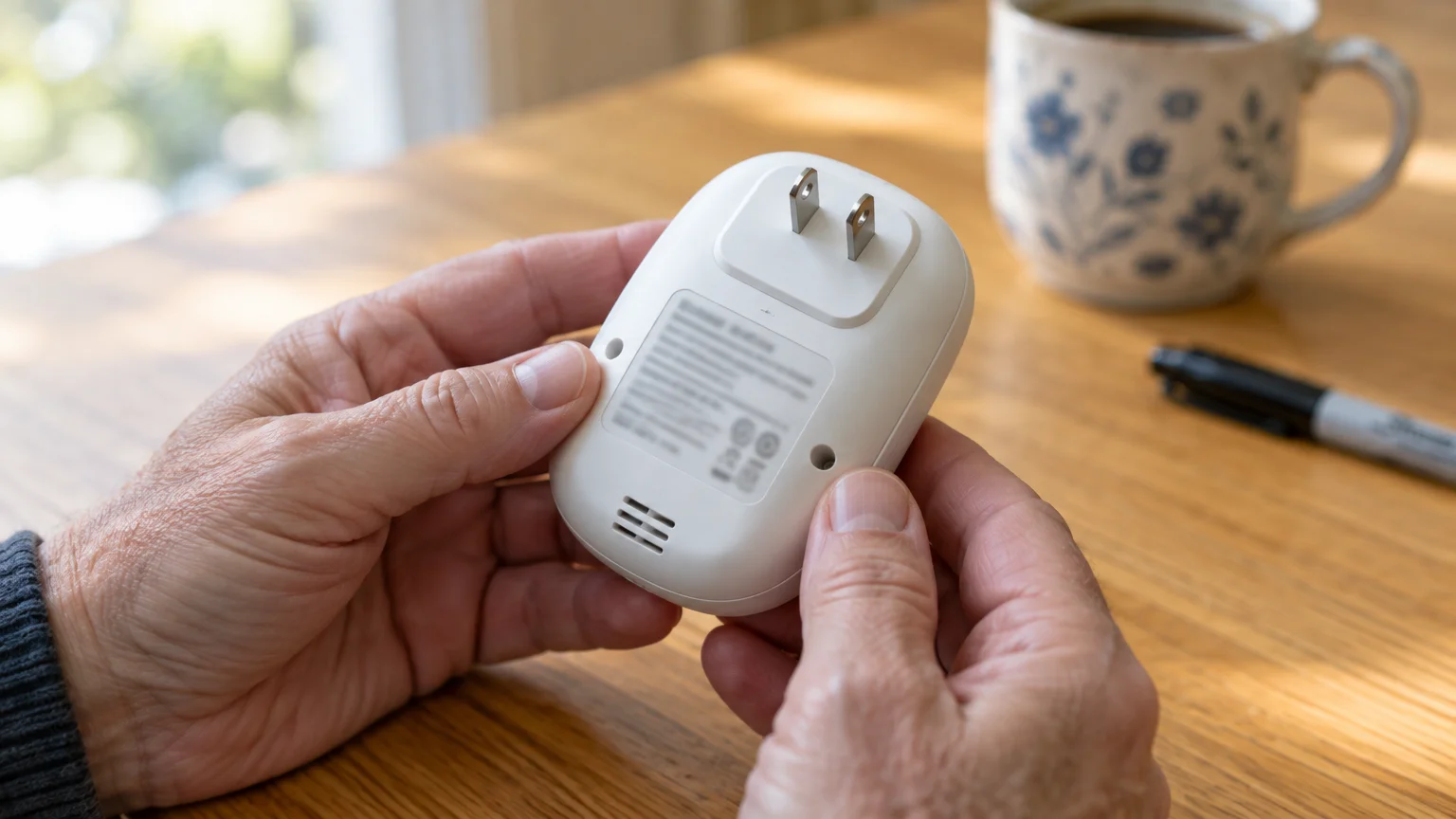
Turn your device over and examine the white label printed on the plug side to confirm the model number.
Model KH158 features a rounded top and bottom in white or matte gray plastic with a glossy black digital screen.
Model GC03 has a rectangular black plastic housing and a matching digital readout.
Visit the official Zenara recall portal at truststeadfast.com/pages/recall to register your device for a free replacement.
Zenara offers owners a choice between a Kidde COPD carbon monoxide detector or a Kidde COPDLG combination gas and carbon monoxide alarm.
To complete your claim, write “RECALLED” and your initials in permanent marker directly onto the unit.
Take a clear photograph of the marked unit, upload it to the registration form, and wait for email confirmation.
Once Zenara verifies your claim, dispose of the recalled detector in your standard household trash.
Guidance differs on short-term use: the CPSC advises keeping the unit plugged in until a replacement arrives, while Zenara recommends stopping use immediately.
Generic Detectors and Heightened Risks for Older Adults
This recall follows an August 20, 2026 CPSC safety warning regarding 376,974 generic KH158 detectors sold across major online platforms.
Federal officials issued that warning across 18 brand names after logging 91 failure reports and encountering manufacturer refusal to recall.
According to the Centers for Disease Control and Prevention, carbon monoxide claims over 400 lives and prompts 100,000 emergency department visits annually.
Data from the Consumer Product Safety Commission indicates that adults aged 45 and older account for roughly 67% of non-fire carbon monoxide deaths.
Winter temperatures amplify this threat, as 59% of accidental fatal poisonings strike between November and February.
Crucial Home Heating and Fire Safety Checks
Home heating equipment represents the second-leading cause of non-fire carbon monoxide deaths, behind only portable generators.
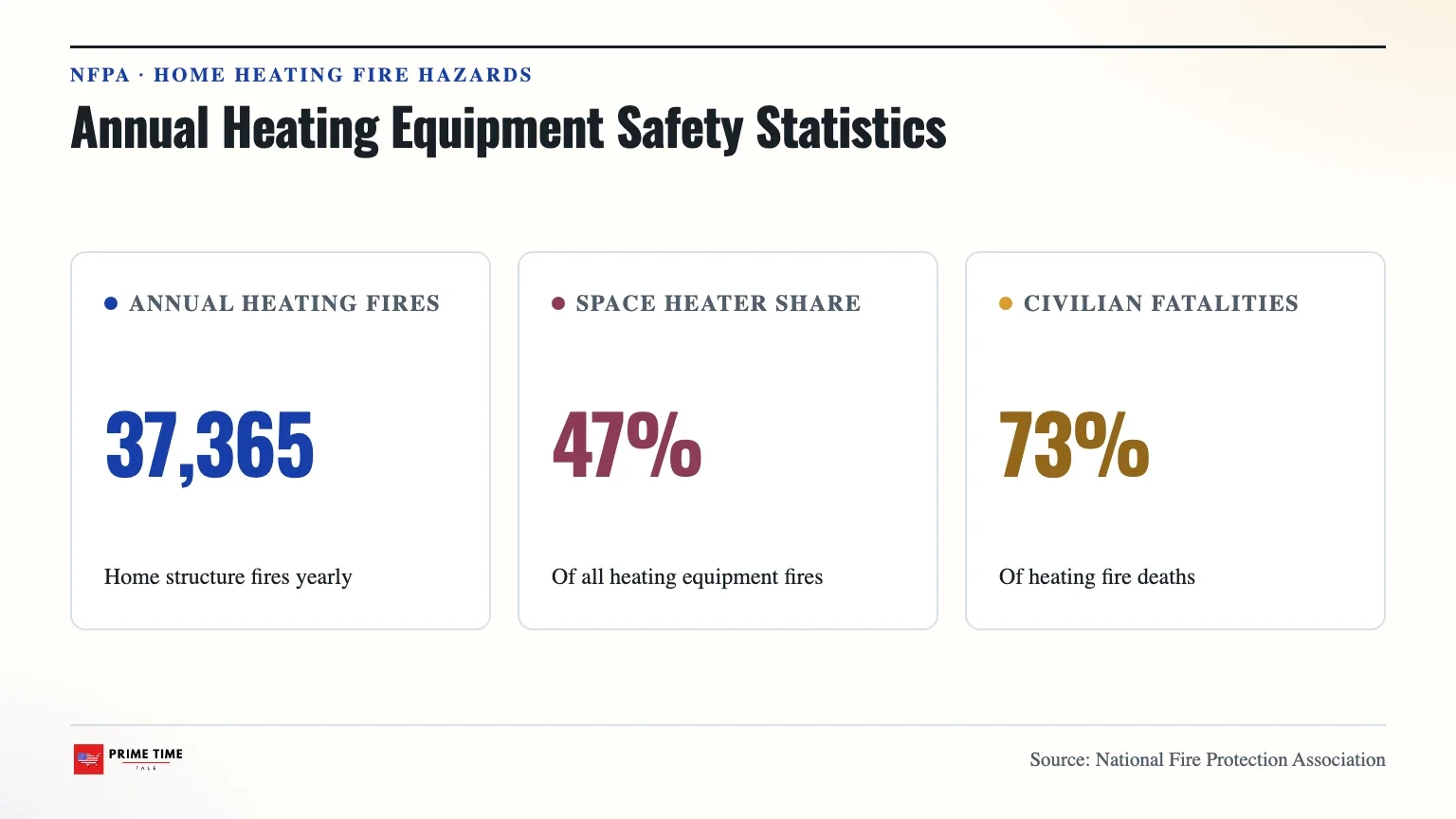
Research from the National Fire Protection Association shows heating equipment sparks 37,365 home structure fires each year.
Space heaters and heating stoves generate 47% of those equipment fires and cause 73% of related civilian deaths.
Protect your home by performing these essential checks as cold weather sets in:
- Schedule annual heating maintenance: Hire a qualified technician to clean and inspect fuel-burning furnaces, boilers, and chimneys before peak winter usage.
- Clear exterior exhaust vents: Ensure all outdoor vents and intake pipes remain completely free of drifting snow, leaves, and animal nests.
- Maintain a 3-foot perimeter: Keep all flammable objects—including curtains, rugs, bedding, and furniture—at least three feet away from space heaters and wood stoves.
- Vent fuel-burning appliances outdoors: Never use a gas oven or stovetop to heat living spaces, and vent all fuel-burning appliances directly outside.
Choosing Reliable Detectors: Key Standards and Lifespans
No single federal mandate governs residential carbon monoxide alarms; instead, requirements depend on state statutes and local building codes.
When purchasing replacements, ensure the packaging carries third-party safety certification from laboratories such as UL or ETL.
| Alarm Standard | Target Hazard | Key Testing Benchmark | Typical Lifespan |
|---|---|---|---|
| UL 2034 | Carbon Monoxide | Triggers alarm within 60–240 minutes at 70 ppm, 10–50 minutes at 150 ppm | 5 to 7 years |
| UL 1484 | Residential Fuel Gas | Alarms before combustible gases reach explosive lower flammability limits | 5 years |
| 10-Year Sealed Combination | Smoke & Carbon Monoxide | Provides continuous dual-threat monitoring powered by sealed lithium batteries | 10 years |
Check the date of manufacture stamped on the back of every existing detector in your home.
Electrochemical sensors degrade naturally; replace traditional units after 5 to 7 years and sealed lithium units after 10 years.
Test your alarms monthly by pressing the test button to confirm the internal horn and electric circuitry operate correctly.
Worth Keeping in Mind
The test button checks the electrical circuit and horn, but it does not confirm the chemical sensing element detects gas.
Winter power outages deactivate plug-in alarms that lack fresh backup batteries; install fresh batteries before winter storms hit.
Heavy snowdrifts can obstruct exterior furnace exhaust pipes, forcing dangerous fumes backward into your living quarters.
Portable gas generators must remain outdoors at least 20 feet from your home—never run them inside garages or enclosed breezeways.

When to Get Professional Help
Call an HVAC technician if you see yellow, flickering burner flames on your gas appliances instead of steady blue flames.
Seek immediate medical care and evacuate your home if you experience headaches, dizziness, or nausea that vanish when breathing fresh outdoor air.
Hire a certified chimney sweep to inspect your flue if you observe soot stains, peeling paint, or rust around heating pipes.
Simple Steps for Peace of Mind
Take ten minutes this week to verify the model numbers on your detectors and clear any debris from heating vents.
A certified, working alarm provides the reliable warning you need while your furnace keeps you comfortable all winter long.
The information here is meant for educational purposes, as specific home and health situations require tailored approaches. When in doubt, consult a licensed professional or check official sources directly.
Last updated: November 2026. Rules, prices, and details change—verify current information with official sources before acting on it.