
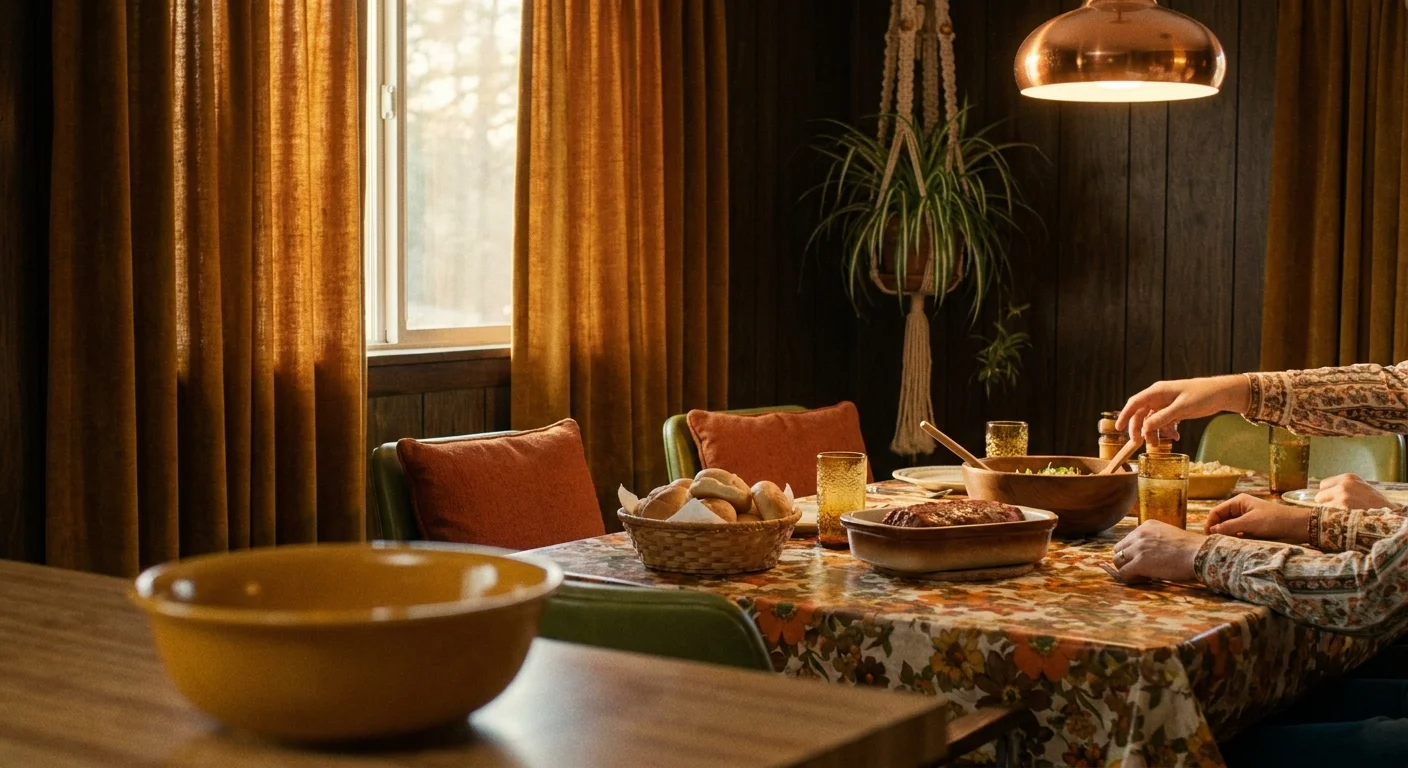
If you grew up in the 1970s, you almost certainly ate your fair share of pistachio fluff, communal cheese pots, and aluminum-trayed meals in front of the television. The 1970s marked a unique era in American kitchens, where newly invented boxed convenience foods collided with lingering mid-century culinary trends. While today’s dining tables focus on fresh produce and quick air-fryer meals, families fifty years ago relied on hearty, thrifty creations meant to feed a crowd on a tight budget. These ten iconic dishes were absolute staples in households across the country during that groovy decade, yet they have almost entirely vanished from modern menus. Let’s look back at the unforgettable recipes that defined an era.
1. Watergate Salad (Pistachio Fluff)
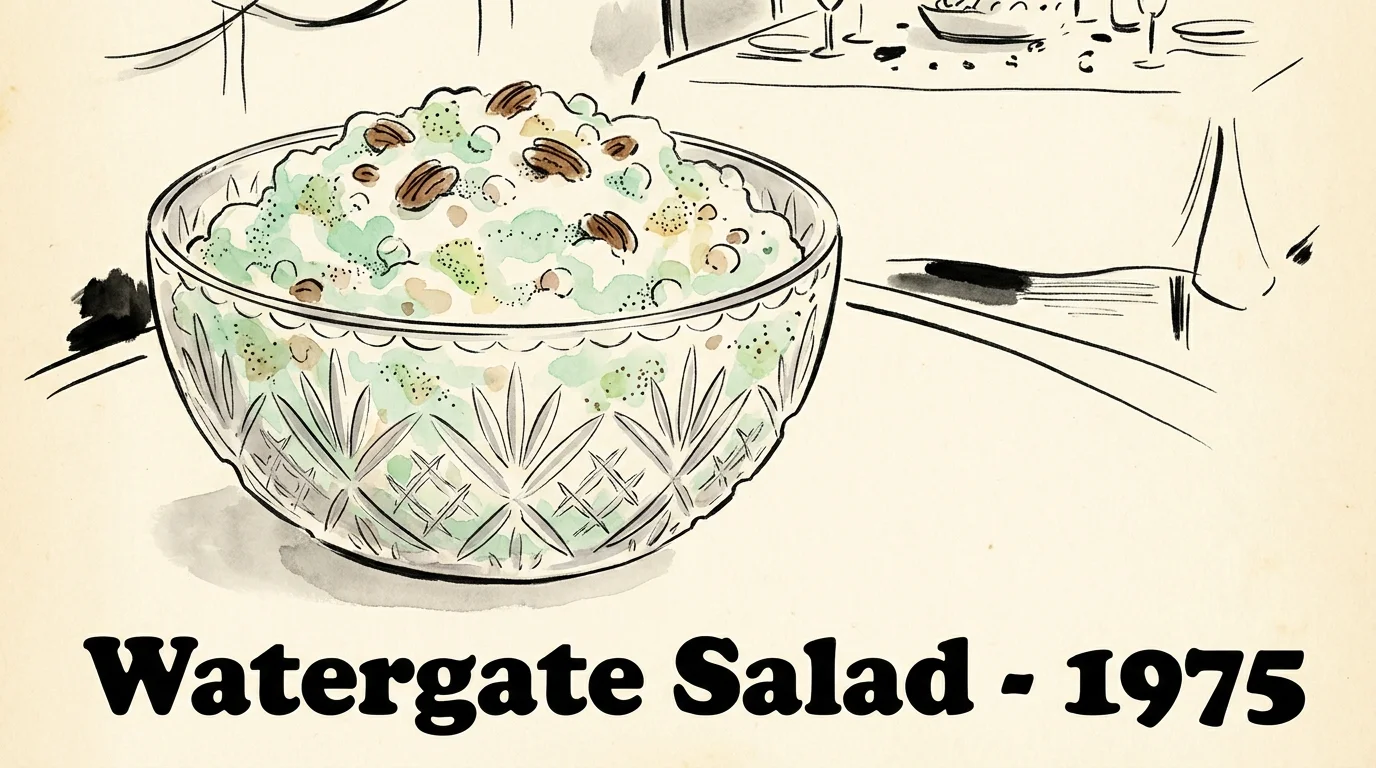
In the mid-1970s, you could not attend a neighborhood block party or holiday dinner without spotting a bowl of pale green fluff. Known officially as Watergate Salad—and unofficially as Pistachio Delight or simply “green stuff”—this dessert-salad hybrid was the undisputed king of the potluck.
According to Wikipedia, the recipe surged in popularity right around the time Kraft introduced its instant pistachio pudding mix in 1975 [4.1]. The preparation required no cooking whatsoever. You simply folded the dry pudding mix into a bowl with canned crushed pineapple, miniature marshmallows, chopped pecans, and a heavy dose of thawed whipped topping. The result was sweet, nutty, and distinctly mid-century.
While the exact origin of the politically charged name remains obscure, the moniker stuck to the recipe for decades. Today, the green fluff makes rare appearances, usually kept alive by nostalgic grandparents looking for a quick, familiar side dish.
2. Cheese Fondue Dinner Parties
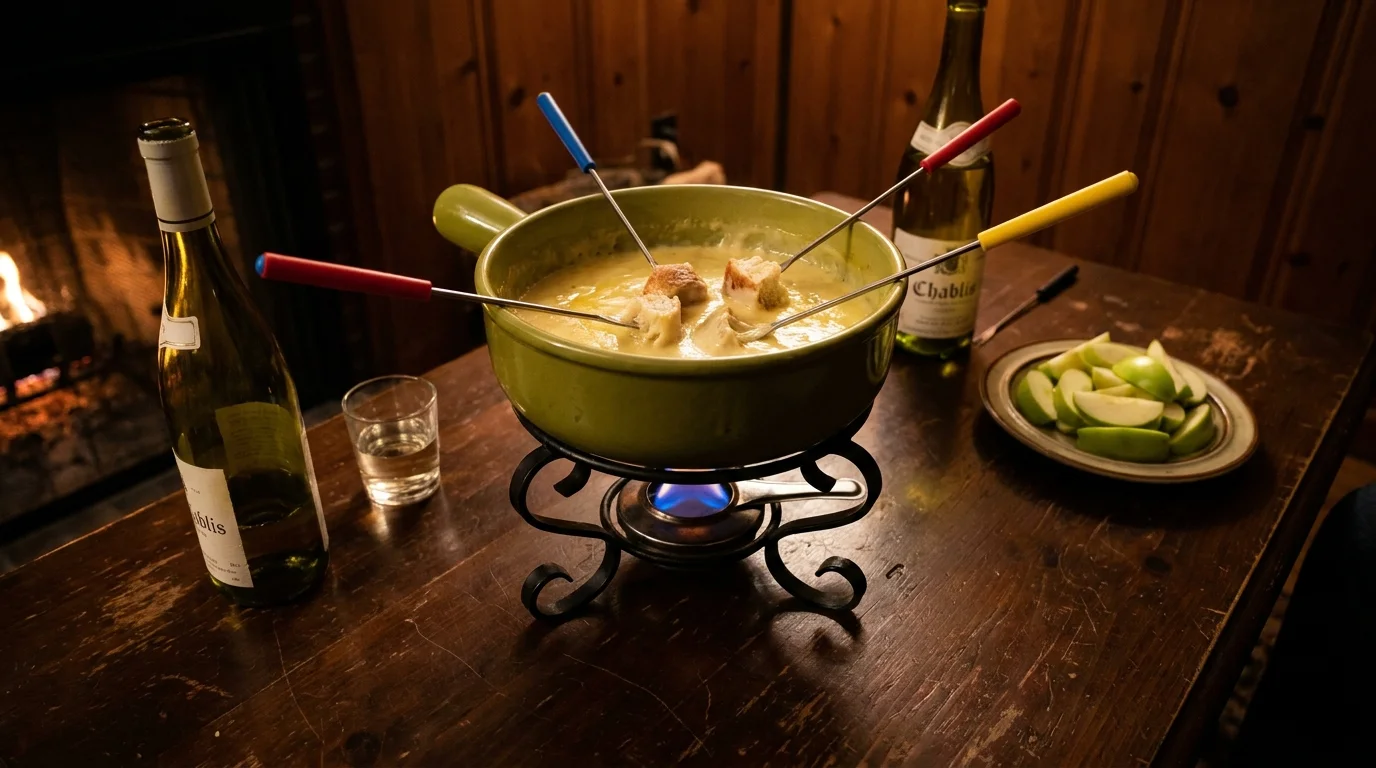
Long before charcuterie boards dominated the hosting scene, the ultimate symbol of sophistication was a bubbling pot of melted cheese. Fondue sets—complete with a sterno burner and color-coded long forks—were standard wedding gifts throughout the decade.
Hosting a fondue party meant rubbing a ceramic pot with a clove of garlic, melting Gruyère and Swiss cheeses with dry white wine, and adding a splash of kirsch. Guests gathered around the table, dipping cubes of stale French bread, apple slices, and vegetables into the communal pot. It was an interactive, slightly dangerous, and incredibly messy way to share a meal. As the 1980s approached, the heavy, communal nature of fondue fell out of favor, and those iconic avocado green and harvest gold pots were relegated to the back of the pantry.
3. The Original 1970s Hamburger Helper
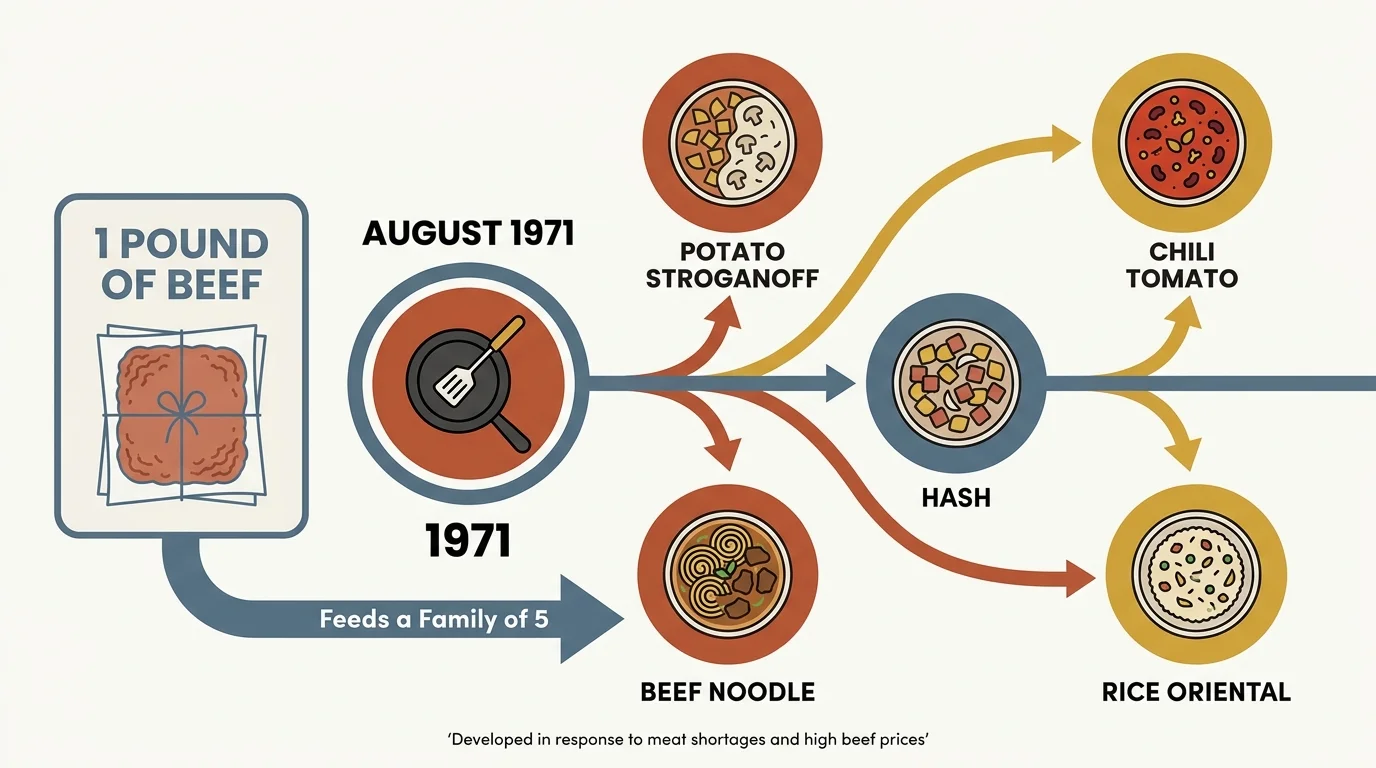
When beef prices soared and household budgets tightened, families needed a way to make a single pound of ground beef feed a family of five. Enter Hamburger Helper, which made its national debut in August 1971 in response to a weakened economy and meat shortages.
The concept was revolutionary for busy parents. By adding a single box of dry pasta and powdered seasoning to browned meat, you instantly had a complete skillet dinner. The original five flavors were a far cry from today’s cheesy macaroni options:
- Potato Stroganoff
- Chili Tomato
- Hash
- Beef Noodle
- Rice Oriental
If you want to recreate the magic today, you can skip the box entirely. It is quite simple to make a modernized, from-scratch version using fresh ground beef, real sharp cheddar cheese, elbow macaroni, and a splash of beef broth. It offers the same nostalgic comfort without the heavy sodium load.
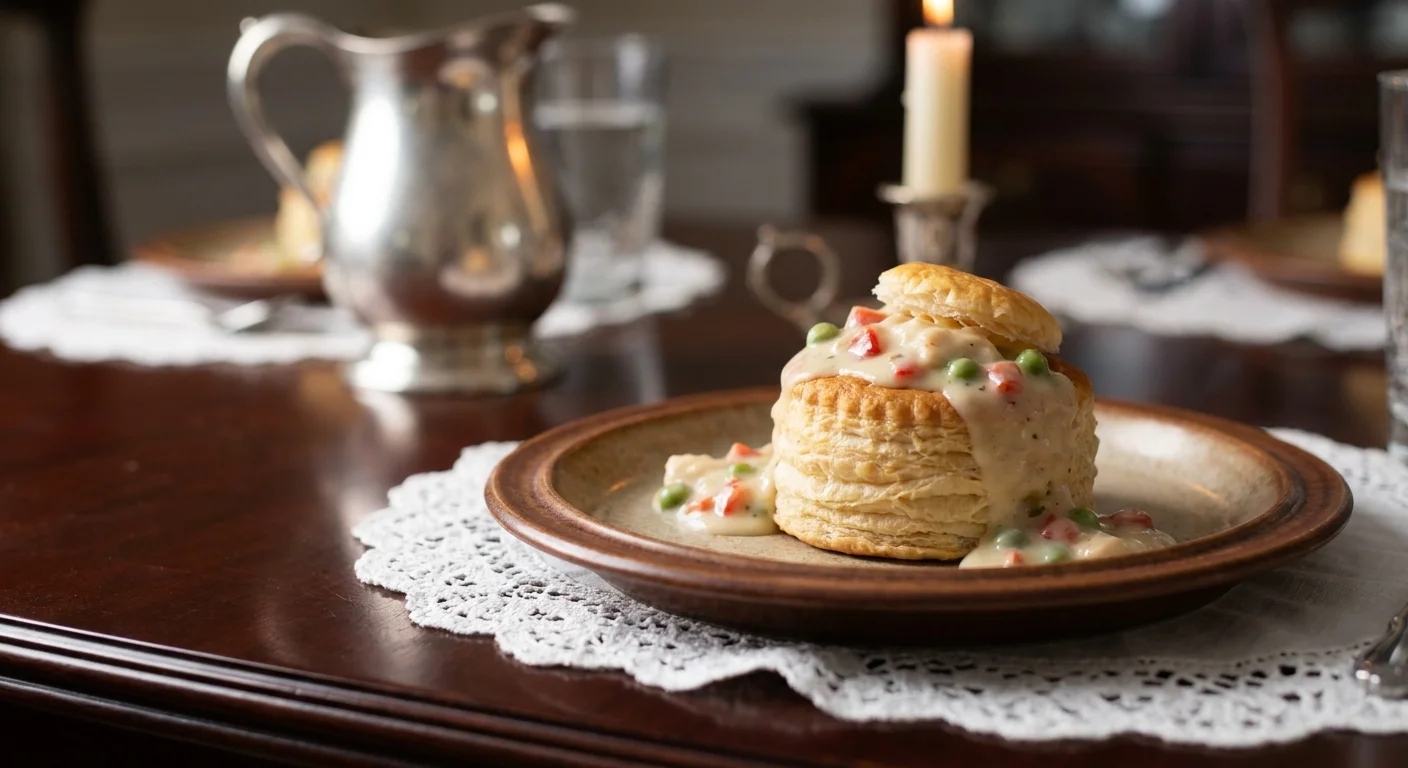
4. Chicken à la King
If you wanted to serve an elegant dinner in the 1970s, you made Chicken à la King. Though the dish traces its origins back to early 1900s hotel dining, it experienced a massive resurgence in the seventies as an upscale yet accessible dinner party entrée.
A proper Chicken à la King consists of diced chicken breasts, mushrooms, and bright red pimentos swimming in a rich, sherry-laced cream sauce. The hallmark of the dish was its presentation; it was traditionally ladled into delicate, hollow puff pastry shells called vol-au-vents, or simply spooned generously over thick slices of toasted white bread. As culinary tastes shifted toward lighter, lower-fat cooking in the 1990s, this heavy, cream-based classic largely disappeared from the American repertoire.
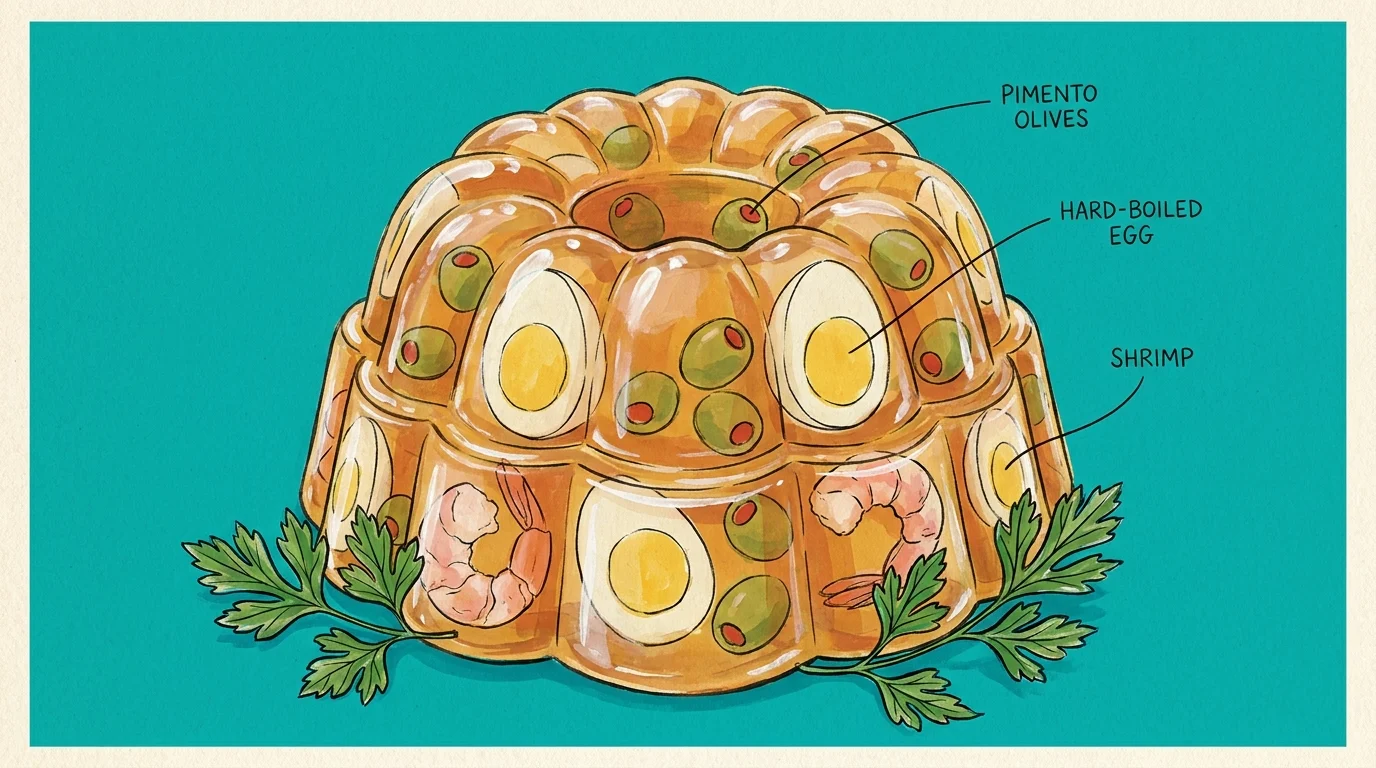
5. Savory Jell-O Molds (Aspics)
While sweet gelatin desserts survived the test of time, the savory Jell-O molds of the 1970s did not fare as well. Mid-century cooks loved to suspend savory ingredients in unflavored gelatin or lemon Jell-O, creating towering, jiggly centerpieces known as aspics.
Common dinner table variations included tomato aspic featuring chopped celery and green olives, or more elaborate molds encasing boiled eggs, shredded carrots, and even Vienna sausages. These creations were often set in intricate plastic molds, turned out onto a bed of iceberg lettuce, and served with a dollop of mayonnaise on top. Today, the idea of encasing meat and vegetables in gelatin seems baffling, but fifty years ago, it was the mark of an organized home cook.
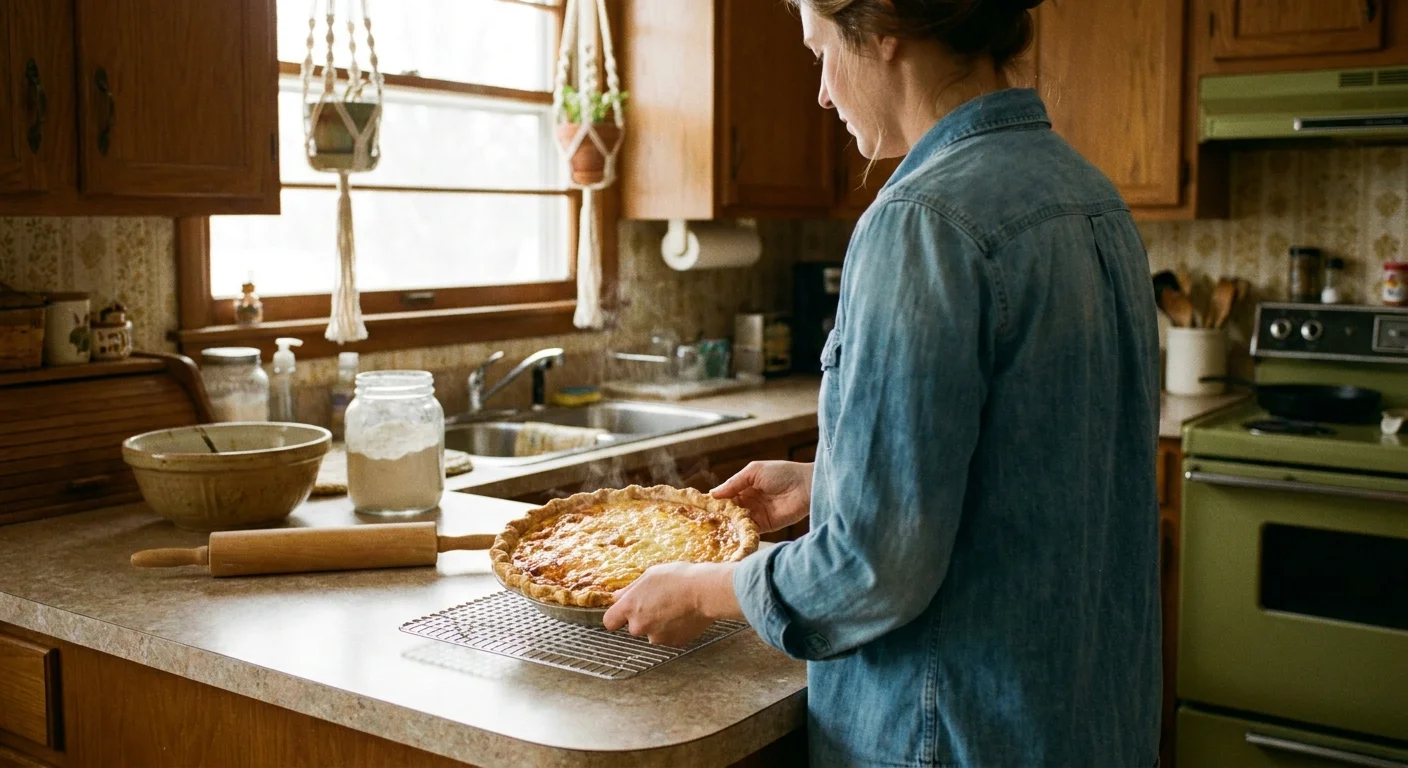
6. Quiche Lorraine
The 1970s marked the era when French cooking became highly accessible to the American home cook, largely thanks to television chefs like Julia Child. Quiche Lorraine quickly became the undisputed champion of the brunch table and the casual dinner party.
Made with a buttery crust, a rich custard of eggs and heavy cream, and plenty of crisp bacon and Swiss cheese, the quiche was elegant but easy to assemble. It was the perfect dish to prepare ahead of time. However, the dish became a victim of its own success. It was heavily overplayed in restaurants and homes alike, and by the time the 1982 humor book Real Men Don’t Eat Quiche hit the bestseller list, the savory pie’s reign at the top of the culinary hierarchy had effectively ended.
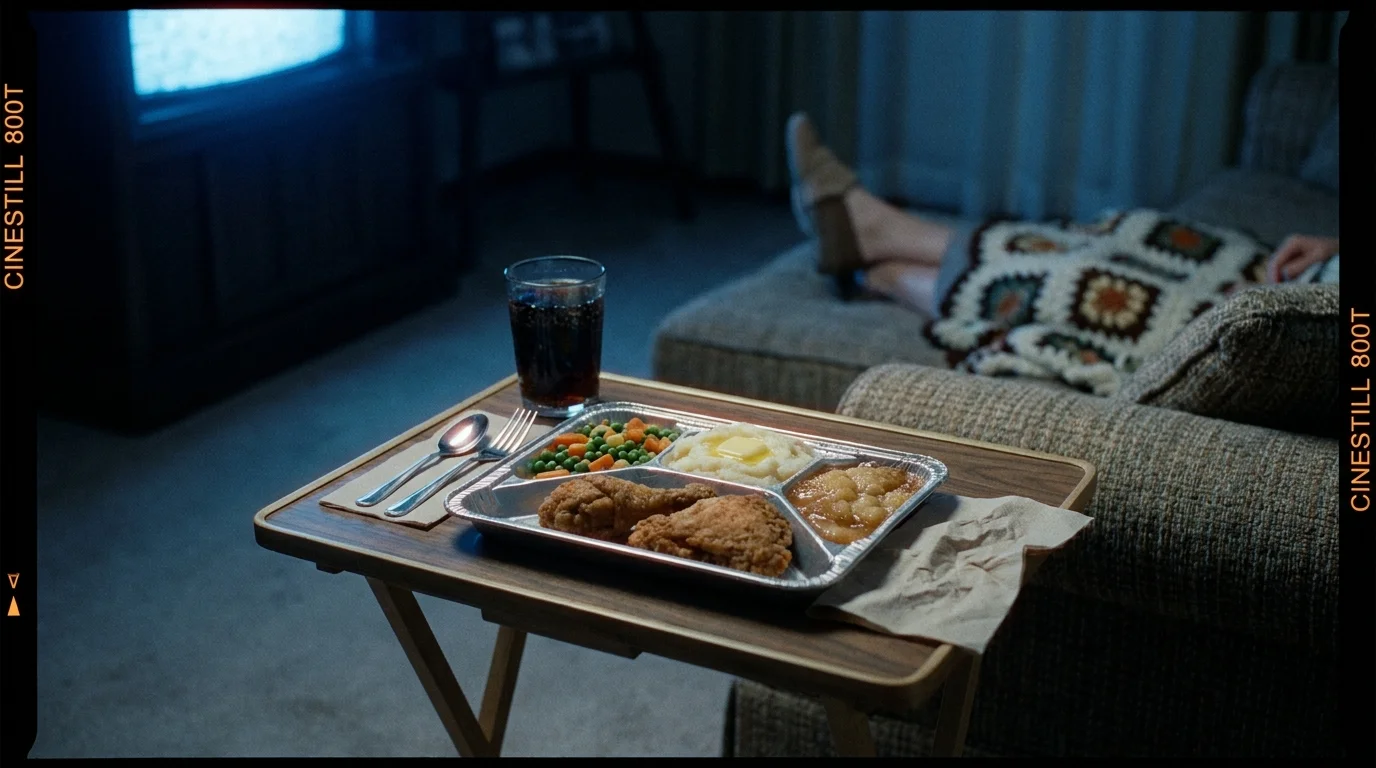
7. Aluminum Tray TV Dinners
Before the microwave reigned supreme, families heated Swanson TV dinners in the conventional oven. Eaten on wobbly folding tray tables while watching the evening news or a variety show, these meals were a cornerstone of 1970s convenience.
The signature aluminum foil tray had distinct compartments designed to keep the food from touching. You might have fried chicken or sliced turkey in the main section, paired with a square of mashed potatoes and bright yellow corn. The highlight for many kids was the dessert compartment—usually a brownie or an apple cobbler—that would inevitably scorch on the edges while the center remained lukewarm. By the mid-1980s, manufacturers swapped the foil trays for microwave-safe plastic, changing the texture and experience forever.
8. Ambrosia Salad
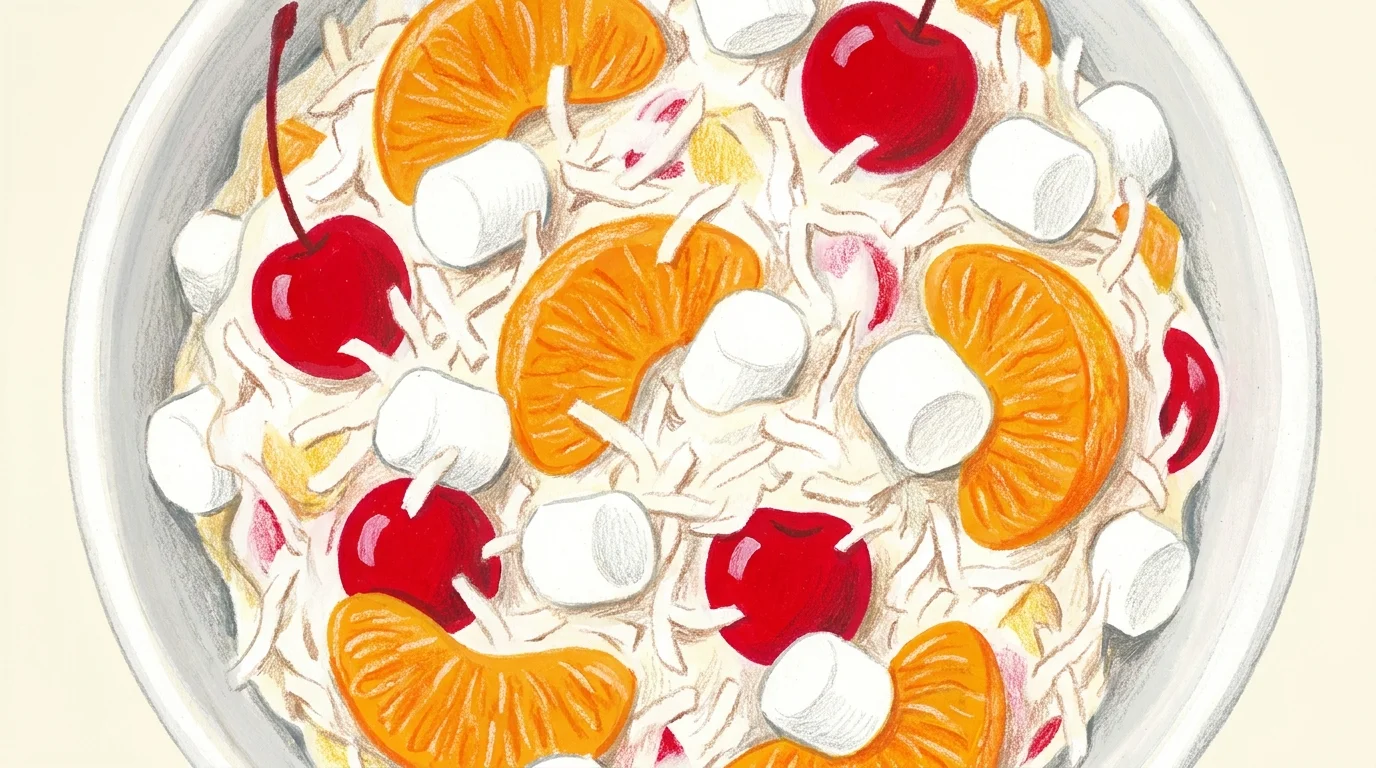
A slightly older cousin to the Watergate Salad, Ambrosia was another dessert masquerading as a side dish. The classic 1970s preparation featured a chaotic mix of canned mandarin oranges, pineapple tidbits, shredded coconut, and colorful miniature marshmallows, all bound together by sour cream or whipped topping.
Served chilled in a glass bowl, Ambrosia was sweet, tangy, and highly textured. While it still makes occasional appearances at Southern family reunions, it has largely vanished from everyday dinner tables, replaced by fresh fruit salads that skip the marshmallows entirely.
9. The Port Wine Cheese Ball
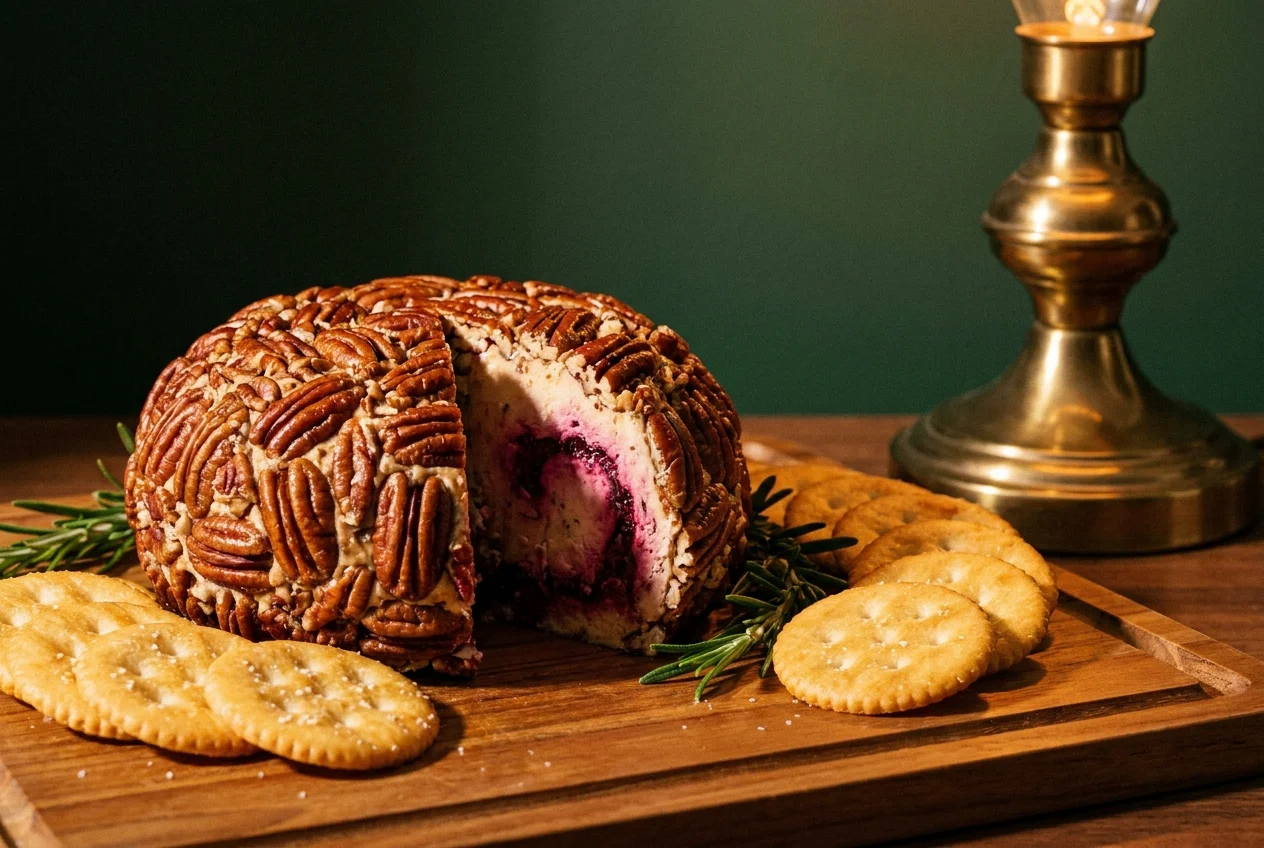
No 1970s cocktail party or holiday appetizer spread was complete without a giant, brightly colored cheese ball resting on a wooden board alongside a sleeve of buttery round crackers.
The most iconic variation was the Port Wine cheese ball. It was a dense sphere of cheddar and cream cheese blended with sweet port wine, giving it a distinctive pinkish-orange hue. The entire ball was then rolled in chopped pecans or walnuts to provide a crunchy exterior. While artisanal cheese boards have taken over modern entertaining, the humble, heavily processed cheese ball still holds a deep nostalgic appeal for those who remember its tangy flavor.
10. Salisbury Steak
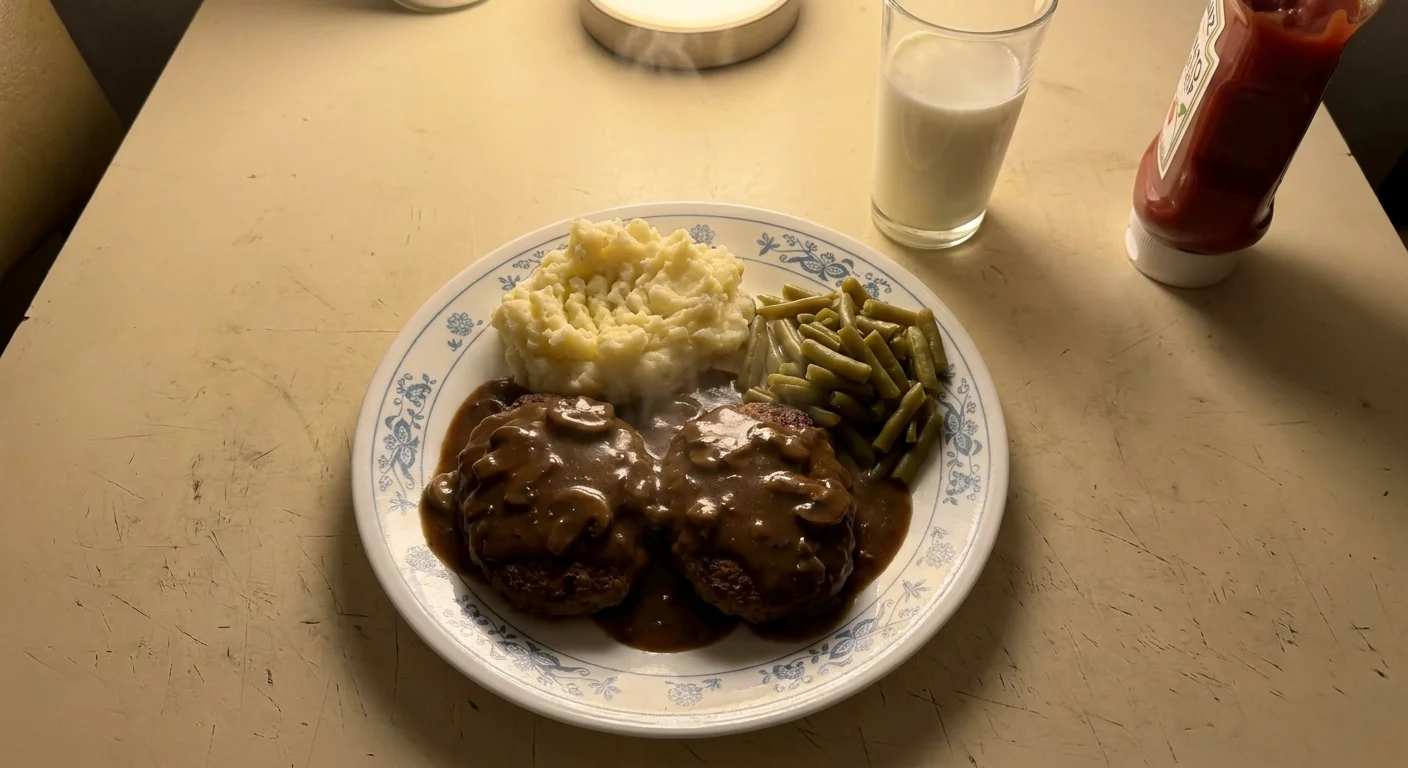
Not quite a steak, and not quite a hamburger, the Salisbury steak was a defining comfort food of the era. Born out of necessity, it was a clever way to stretch a small amount of ground beef into a filling meal by mixing the meat with breadcrumbs, onions, and eggs.
The patties were formed into oval shapes, pan-fried, and smothered in a thick, savory mushroom gravy. Served alongside a towering mound of instant mashed potatoes, it was the ultimate cold-weather dinner. Today, you rarely see Salisbury steak outside of the frozen food aisle, as modern diners tend to prefer unadulterated cuts of beef or standard burgers.
The Bigger Picture
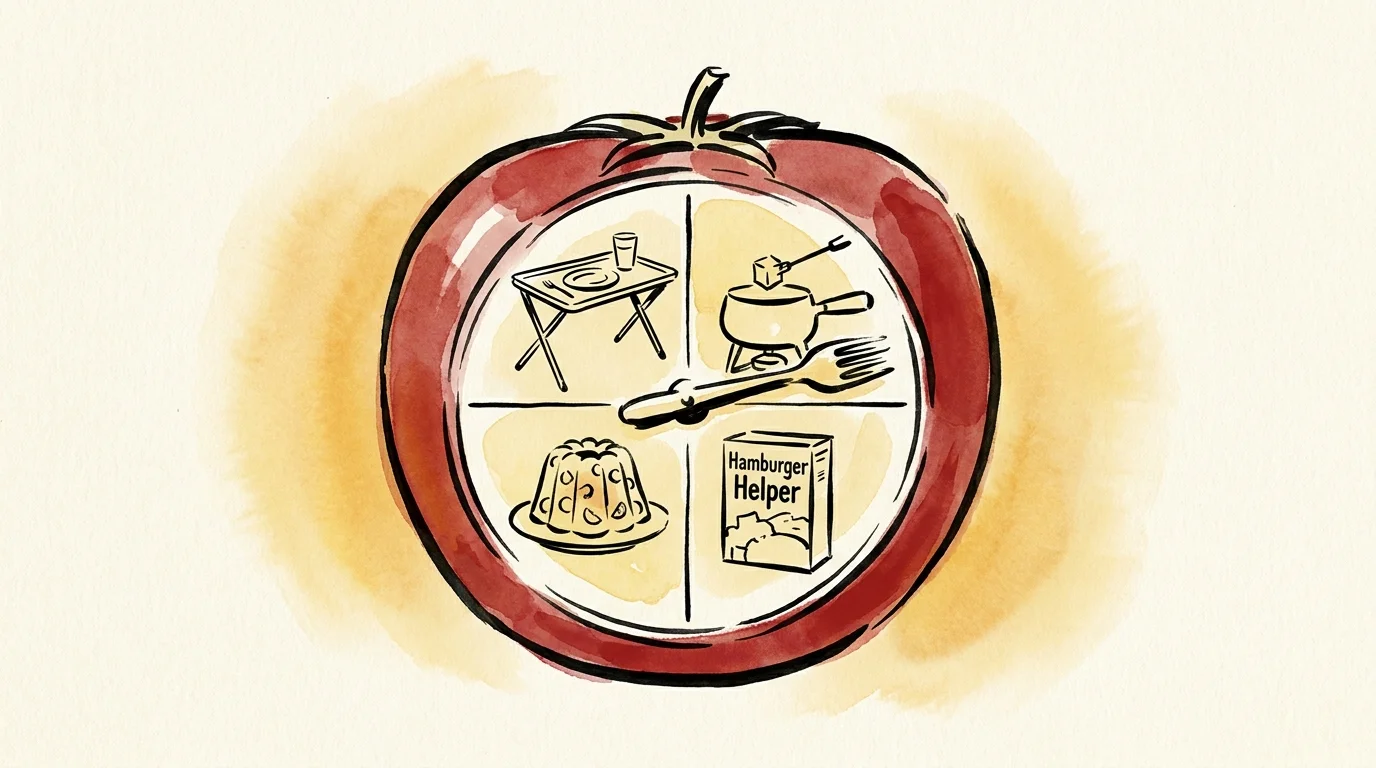
The 1970s represented a unique culinary crossroads. It was the exact moment when post-war industrial food processing met the traditional expectations of a sit-down family dinner, creating meals that were highly engineered yet profoundly comforting.
Many of these recipes share a common theme: they were born out of a desire to save time and money without sacrificing the ritual of the family dinner. In the 1970s, more women were entering the workforce than ever before. After a long day at the office, spending two hours preparing a roast was no longer feasible. Boxed mixes, canned soups, and frozen ingredients offered a much-needed lifeline. While culinary purists might look back at these processed foods with skepticism, they represented a genuine revolution in domestic labor, allowing families to sit together over a hot meal without requiring anyone to labor over a stove all afternoon.
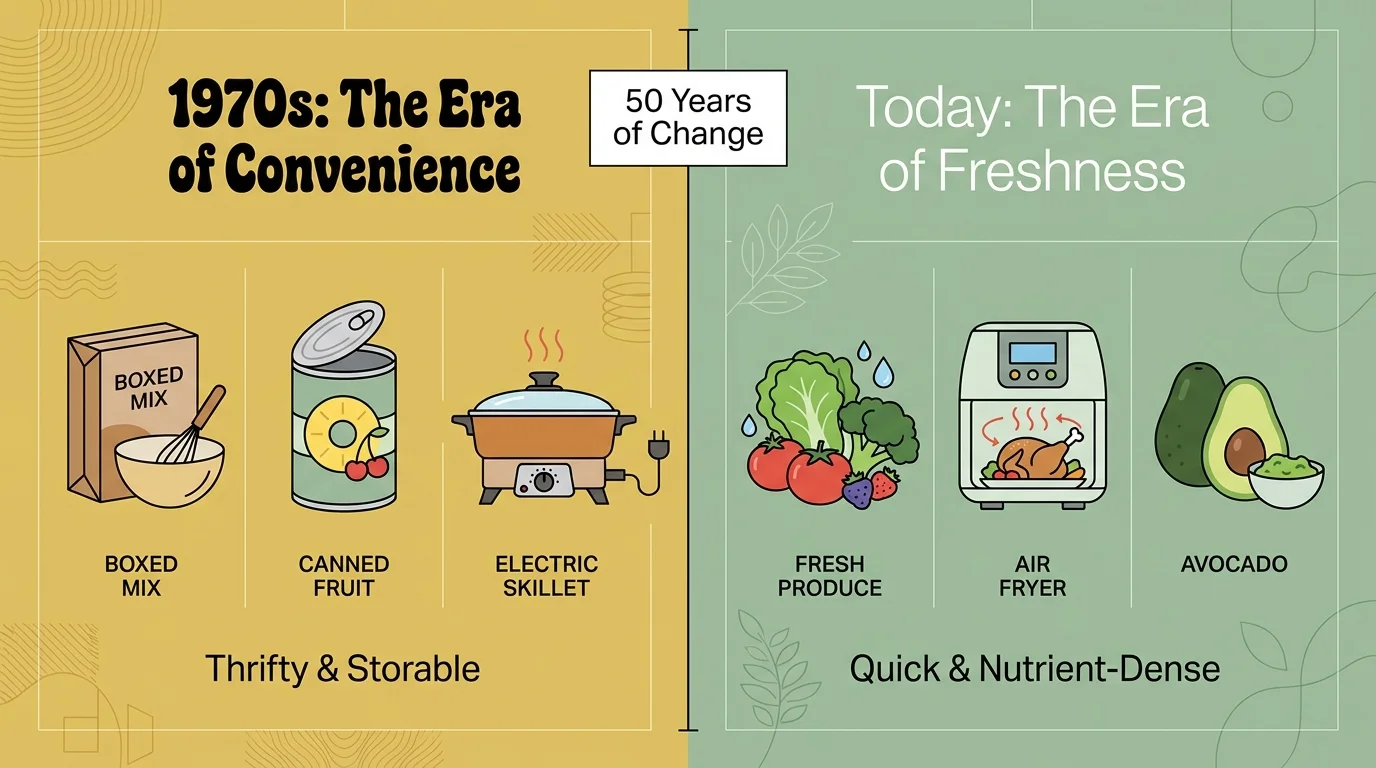
How 1970s Cooking Compares to Today
It is fascinating to see how the priorities of the family dinner have evolved over the past five decades. Here is a quick look at how the staples of the seventies stack up against modern equivalents.
| Kitchen Trend | 1970s Standard | Modern Equivalent |
|---|---|---|
| Stretching Meals | Boxed pasta mixes and condensed soups | Plant-based proteins and whole grains |
| Entertaining | Communal fondue pots and rich quiches | Charcuterie boards and light tapas |
| Side Dishes | Gelatin molds and canned fruit salads | Roasted root vegetables and fresh greens |
| Convenience Meals | Oven-baked aluminum TV dinners | Microwavable bowls and meal delivery kits |
Frequently Asked Questions
Why did savory Jell-O salads disappear?
Savory gelatin dishes, or aspics, fell out of favor as fresh produce became more accessible year-round. Cooking tastes shifted away from heavily processed, labor-intensive molded foods toward lighter, more natural side dishes.
Why is it called Watergate Salad?
The exact origin is obscure, but the name emerged in the mid-1970s during the height of the political scandal. Food historians believe it was a satirical nod to the times, as the salad was jokingly described as being “full of nuts” and having a “cover-up” of whipped topping.
Are TV dinners still sold in aluminum trays?
Mostly no. In the 1980s, frozen dinner manufacturers transitioned from aluminum trays to microwave-safe plastic or paperboard trays to accommodate the widespread adoption of home microwaves.
Whether you miss the heavy comfort of Chicken à la King or are perfectly happy leaving savory gelatin in the past, there is no denying the charm of the 1970s dinner table. Food is heavily tied to our memories, and sometimes, simply reading about an old favorite recipe is enough to transport you back to a simpler time. If you are feeling adventurous this weekend, consider dusting off that old recipe box and treating yourself to a retro meal. The information here is meant for educational purposes. Specific circumstances—including health conditions, finances, location, and goals—may require different approaches. When in doubt, consult a licensed professional or check official sources directly.
Last updated: May 2026. Rules, prices, and details change—verify current information with official sources before acting on it.







Leave a Reply