
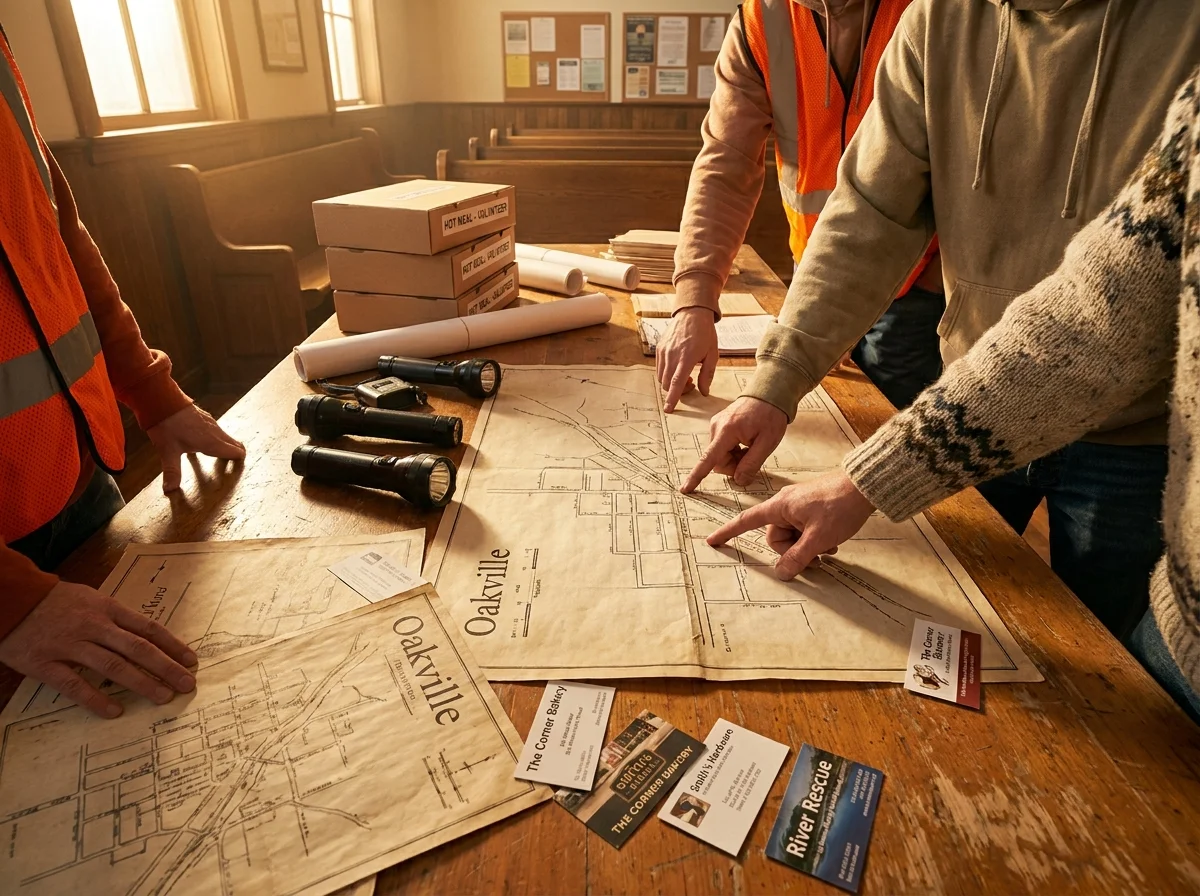
When the worst happens, the best of human nature often emerges to meet it. If you look closely at any major disaster in American history, you will find ordinary people stepping up to do extraordinary things for strangers. From private boat owners navigating flooded city streets to local businesses opening their doors to stranded travelers, these ten true stories highlight the remarkable resilience and compassion of communities in crisis. These are not tales of government agencies or organized military responses, but of neighbors helping neighbors when the chips were down. Whether they offered a warm meal, a safe place to sleep, or a daring rescue, these everyday heroes prove that hope always outlasts the storm.
1. The 9/11 Boatlift Evacuates Half a Million People
When the World Trade Center towers fell on September 11, 2001, the island of Manhattan was immediately locked down. Subways stopped, bridges closed, and tunnels were sealed. Hundreds of thousands of people rushed south to the waterfront, effectively trapped at the edge of the island. Sensing the crisis, the U.S. Coast Guard put out a radio call for all available boats to assist. The response was unprecedented. Tugboats, ferries, private yachts, and fishing vessels rushed toward the smoke. In just nine hours, civilian mariners evacuated more than 500,000 people to safety across the harbor. It remains the largest maritime evacuation in history, moving more people in hours than the famous Dunkirk evacuation managed in days.
2. The “Cajun Navy” Sails Into the Floodwaters of Katrina
In August 2005, Hurricane Katrina caused catastrophic levee failures, submerging neighborhoods in New Orleans and trapping tens of thousands of residents on their rooftops. While official rescue operations were overwhelmed, a local state senator put out a radio plea asking anyone with a boat to meet at a mall in Lafayette. Expecting perhaps two dozen people, organizers watched in awe as between 350 and 400 private boat owners showed up with flat-bottomed johnboats, airboats, and kayaks. This grassroots flotilla, quickly dubbed the “Cajun Navy,” navigated treacherous, debris-filled waters and is credited with rescuing more than 10,000 people from the flood.
3. A Volunteer Army Rebuilds Joplin
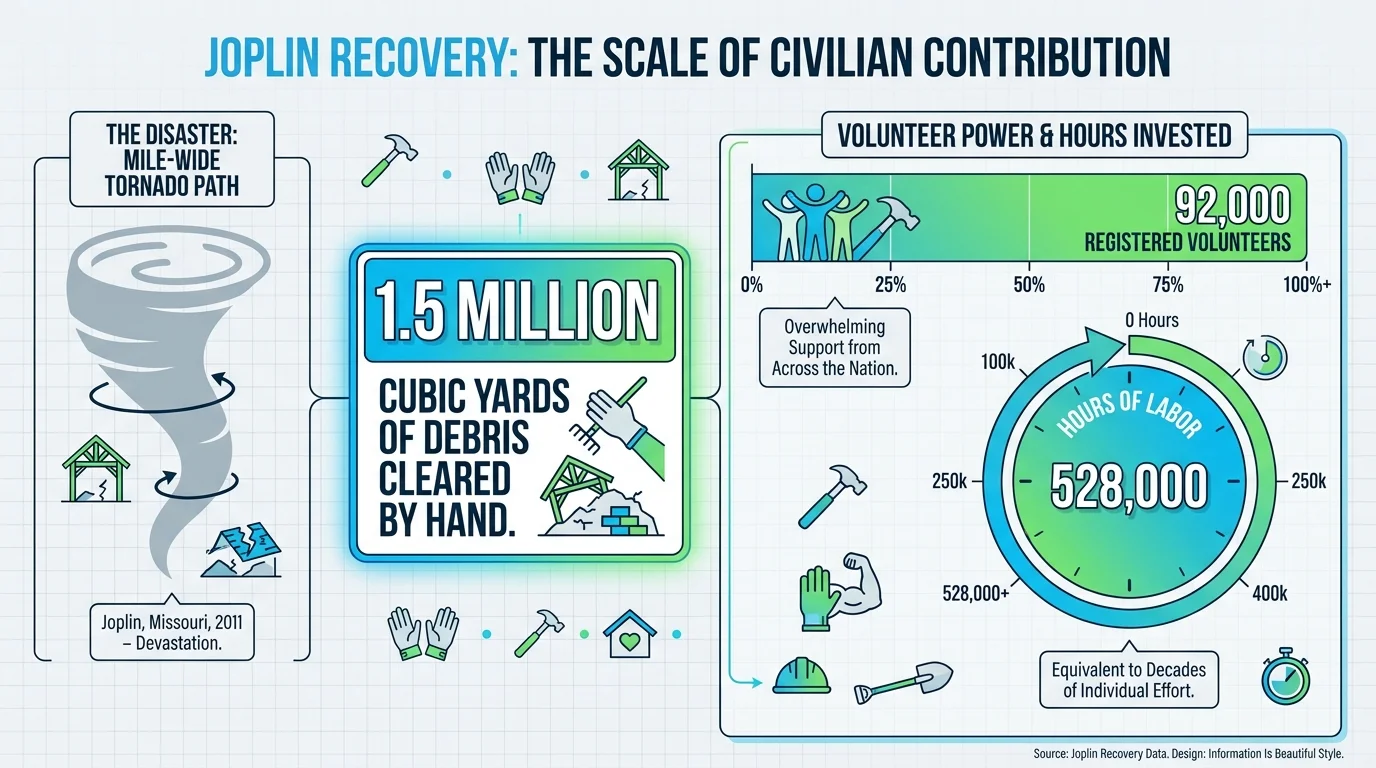
The EF5 tornado that struck Joplin, Missouri, on May 22, 2011, left a mile-wide path of absolute destruction, flattening thousands of homes and a major hospital. However, the community did not have to face the aftermath alone. Over the following months, more than 92,000 registered volunteers traveled from nearly every state in the country to help. Ranging from church groups to college students on spring break, these volunteers contributed over 528,000 hours of manual labor. They cleared an estimated 1.5 million cubic yards of debris by hand and helped frame new homes, accelerating the city’s recovery far beyond what local officials thought possible.
4. Grassroots Networks Bring Relief After Superstorm Sandy
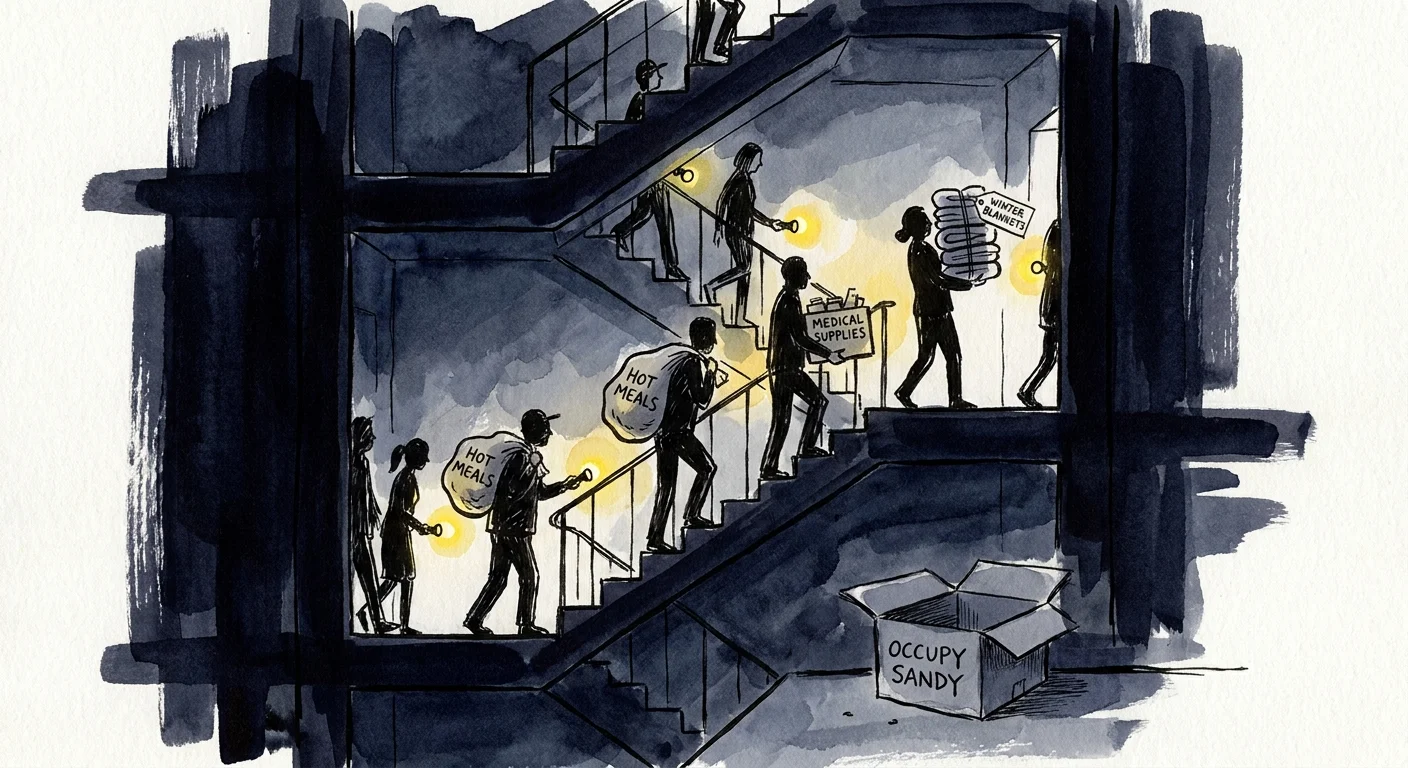
Superstorm Sandy plunged millions into darkness and flooded heavily populated coastal areas of New York and New Jersey in late 2012. Before federal aid could reach many of the hardest-hit neighborhoods, grassroots volunteers mobilized. Groups like Occupy Sandy—leveraging the organizational networks created during the Occupy Wall Street movement—set up mutual aid hubs in churches and community centers. Thousands of volunteers delivered hot meals, medical supplies, and heavy-duty trash bags to residents in high-rise apartments without power, walking up dozens of flights of stairs in the dark. Meanwhile, the Long Island Volunteer Center coordinated civilian teams to muck out flooded homes and distribute winter blankets.
5. Bostonians Open Their Homes to Stranded Runners
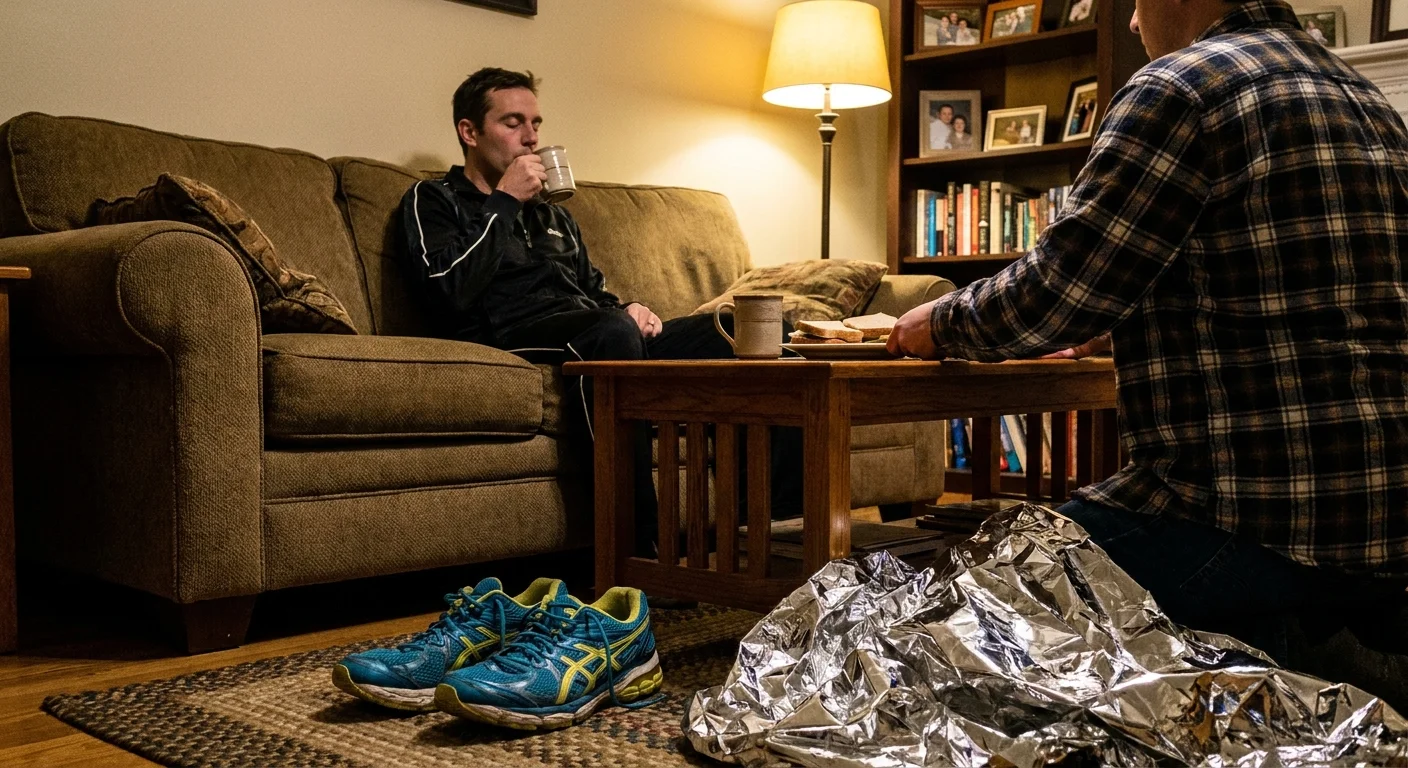
On April 15, 2013, two bombs detonated near the finish line of the Boston Marathon. In the chaotic aftermath, a massive section of the city was designated a crime scene, effectively locking down surrounding hotels. Thousands of exhausted runners from around the world suddenly found themselves shivering on the streets with no money, no phones, and nowhere to go. Boston residents responded immediately. Utilizing social media hashtags and online spreadsheets, locals offered up their spare bedrooms, couches, and even their own beds to strangers. People who had just run 26.2 miles were taken in by local families, offered hot showers, and fed home-cooked meals during a terrifying and uncertain night.
6. “Mattress Mack” Turns His Showroom Into a Hurricane Shelter
When Hurricane Harvey stalled over Texas in 2017, it dumped historic amounts of rain, displacing over 30,000 people. Jim “Mattress Mack” McIngvale, the owner of Houston’s Gallery Furniture, quickly opened his expansive showrooms to those fleeing the rising waters. He sent his delivery trucks out into the floodwaters to rescue stranded families and bring them back to the store. Once inside, hundreds of evacuees were invited to sleep on the brand-new mattresses on the showroom floor and were provided with hot food and dry clothes.
I’m part capitalist and part social worker and this is what I like to do… We can afford that and what we can’t afford is to cause these people to lose hope.
— Jim McIngvale, owner of Gallery Furniture
7. Breweries Nationwide Brew “Resilience” for Paradise
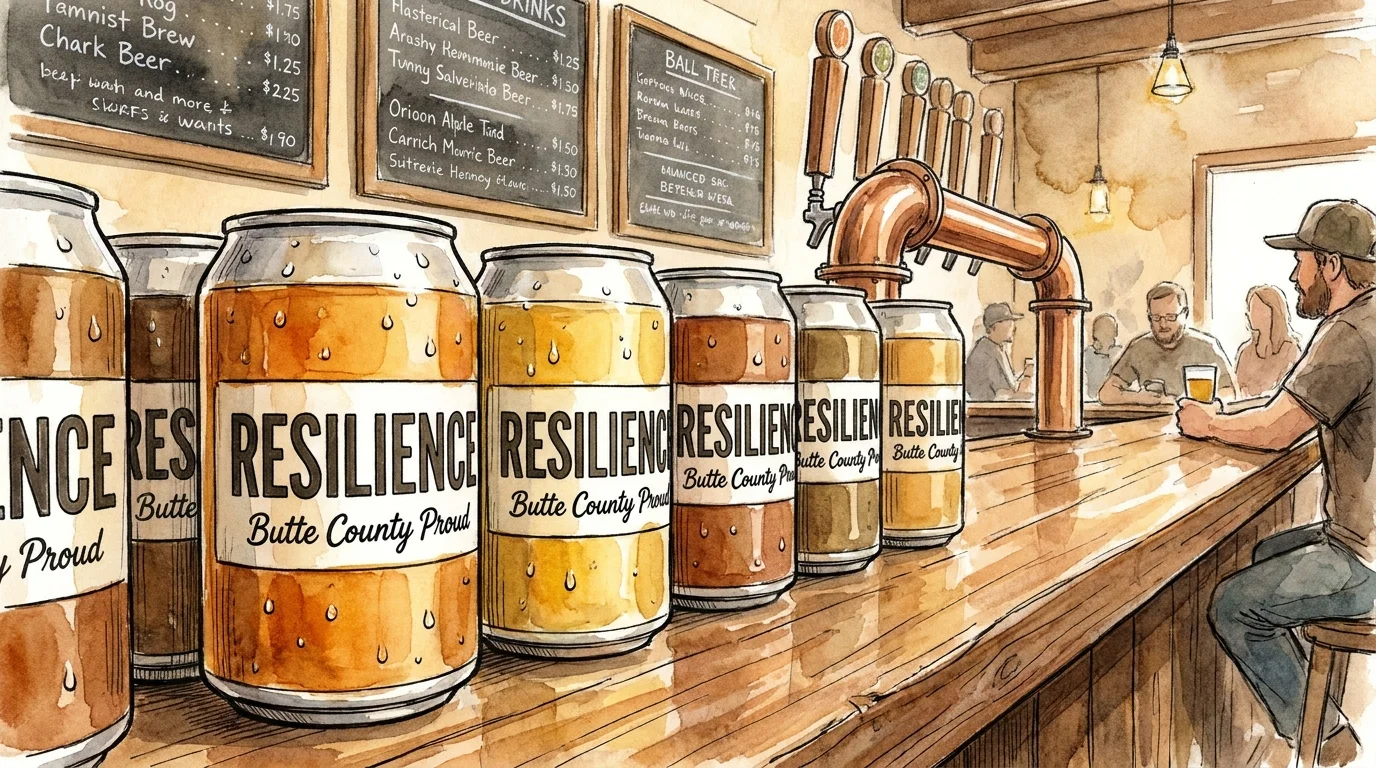
In November 2018, the devastating Camp Fire effectively destroyed the town of Paradise, California, displacing tens of thousands of residents. Just a few miles away in Chico, the founders of Sierra Nevada Brewing Company decided to act. They created a special recipe called Resilience IPA and put out an open call to the brewing industry: brew this beer, and donate 100 percent of the sales to the Camp Fire Relief Fund. The response was staggering. More than 1,400 breweries worldwide signed up. Suppliers donated the hops and malt, and patrons drank the beer, ultimately raising millions of dollars for immediate housing and community recovery.
8. A Target Store Hosts a Blizzard Slumber Party
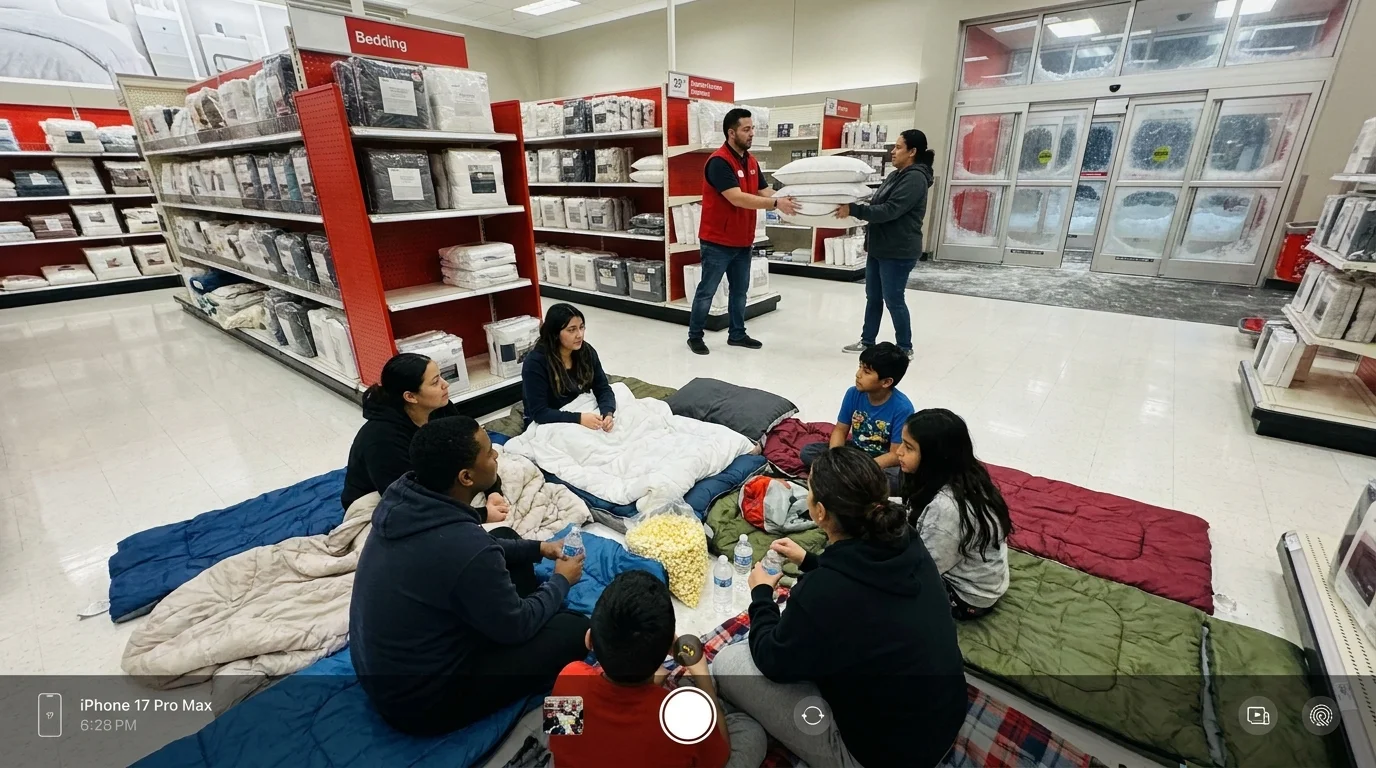
During the historic Christmas weekend blizzard of 2022, punishing winds and feet of snow paralyzed the Buffalo, New York area. Two dozen motorists found themselves hopelessly stuck on impassable roads in Cheektowaga. Seeking warmth, they knocked on the doors of a local Target store, where seven stranded employees welcomed them inside. The staff transformed the store into a makeshift shelter, providing air mattresses, blankets, and fresh clothes from the shelves. They served hot chocolate from the in-store Starbucks and even fired up a display television so the group could watch the Buffalo Bills game. Target’s corporate leadership later commended the employees and ensured no one was charged for the emergency supplies.
9. Surfers Form a Supply Flotilla for Lahaina
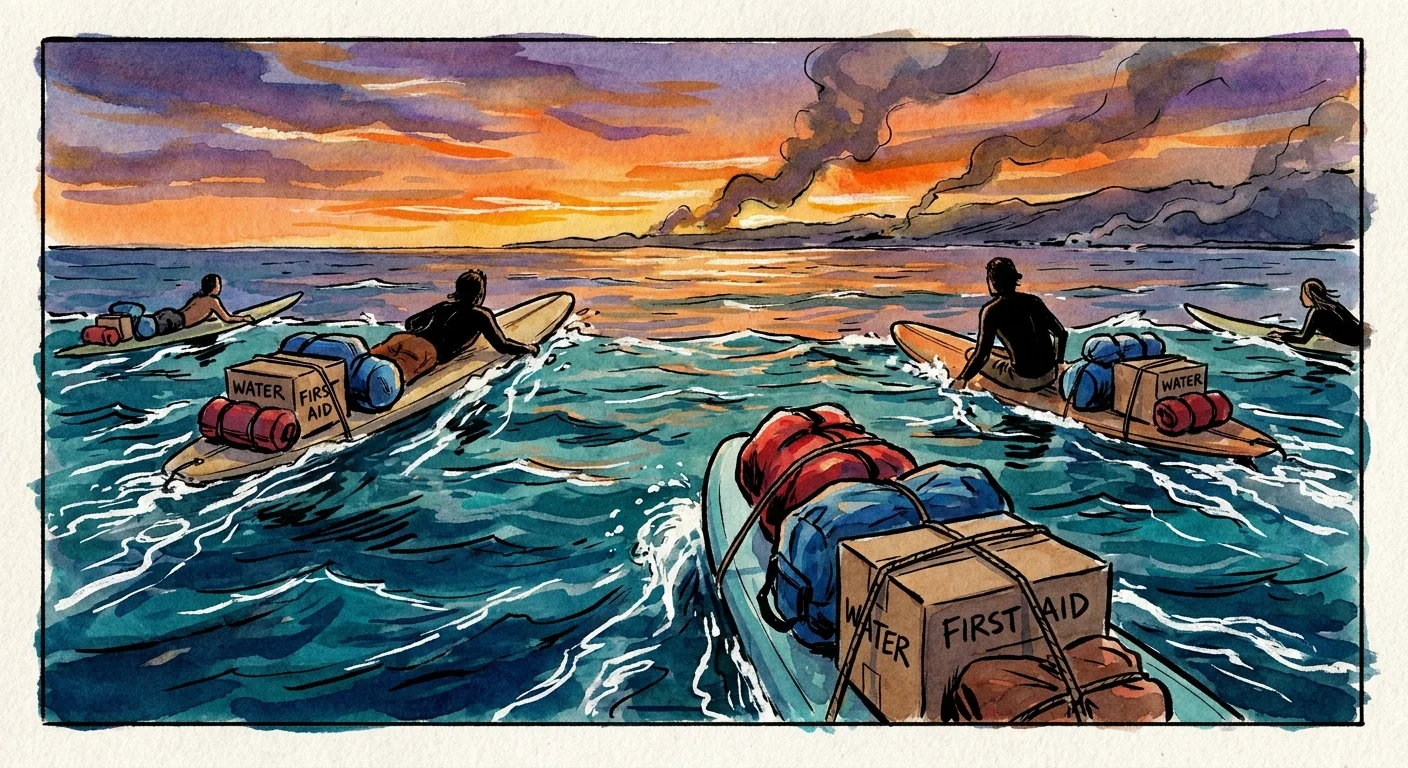
The August 2023 wildfires in Maui moved with terrifying speed, decimating the historic town of Lahaina. In the days immediately following the fire, road closures and communication blackouts left survivors on the west side of the island entirely cut off from conventional aid. Native Hawaiians, local boat captains, and surfers refused to wait. Operating out of nearby harbors like Maalaea and the neighboring island of Molokai, they organized an impromptu flotilla. Tour boats loaded up with insulin, baby formula, drinking water, and generators sailed up the coast, transferring the heavy cargo to surfers on jet skis and paddleboards who ran the vital supplies directly onto the beaches of Lahaina.
10. Mule Packers Conquer Mountain Trails After Hurricane Helene
When Hurricane Helene ravaged the Appalachian Mountains in late 2024, flash floods and mudslides erased entire highways in western North Carolina. Traditional emergency vehicles could not reach towns like Swannanoa and Black Mountain. The Mountain Mule Packer Ranch stepped into the breach. Combining their expertise in extreme-terrain packing with a team of sure-footed mules, they partnered with civilian volunteer networks to haul essential supplies straight up the mountains. Navigating washed-out gullies and fallen trees, these animals and their handlers delivered thousands of pounds of food, water, and medical supplies to people who had been stranded without power for days.
How to Help After a Disaster
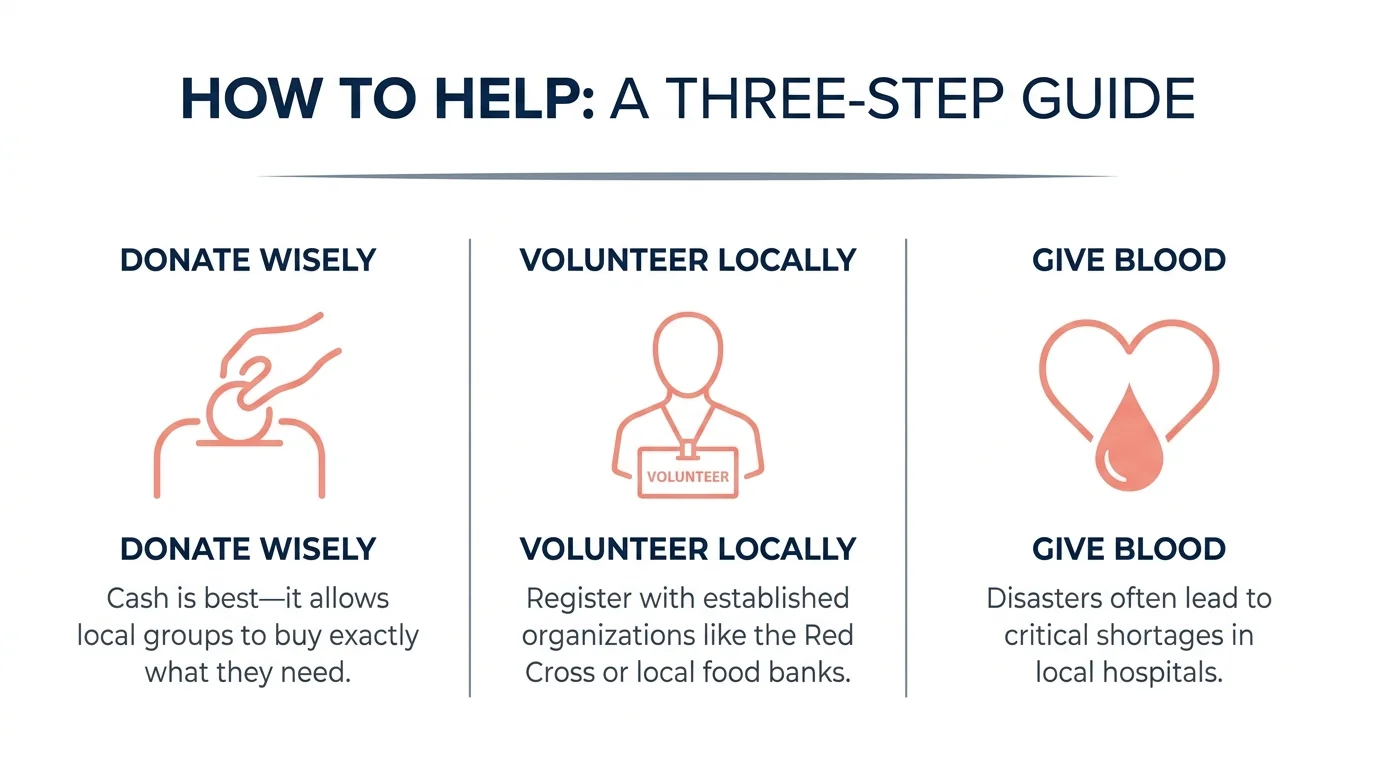
When you see scenes of devastation on the news, the impulse to help is powerful. However, emergency managers caution that well-meaning but uncoordinated help can sometimes complicate relief efforts. Here is a breakdown of the best ways to contribute.
| Type of Support | Pros | Cons | Best Scenario |
|---|---|---|---|
| Financial Donations | Highly flexible. Allows organizations to buy exactly what is needed locally, which also stimulates the recovering local economy. | Lacks the personal, hands-on feeling that many donors desire. Risk of giving to fraudulent charities. | Always the preferred method by professional relief organizations. Perfect for immediate, long-distance support. |
| Physical Goods | Provides tangible relief and clears out your own unused items. | Requires heavy sorting. Unsolicited goods (like used clothing) often end up in landfills because volunteers lack the time to sort them. | Only give physical items if a reputable organization has explicitly published a request for specific goods (e.g., bottled water, diapers). |
| Volunteering Labor | Provides the raw manpower needed to clear debris, cook meals, and rebuild communities. | Self-deploying without training can put you in danger and drain local resources (food, gas, shelter). | Sign up through an established network, such as The American Red Cross or local volunteer hubs, and wait to be deployed. |
Things to Watch Out For
Times of crisis often bring out the best in people, but they also attract bad actors. Protect yourself and the affected communities by keeping these caveats in mind:
- The Second Disaster: Emergency managers call the influx of unrequested physical donations the “second disaster.” Sending boxes of random used clothing forces local volunteers to stop rescue work to sort through sweaters. Stick to requested items only.
- Charity Scams: Fraudulent charities frequently pop up in the days following a natural disaster. Always verify an organization through tools like Charity Navigator or GuideStar before handing over your credit card information.
- Contractor Fraud: If you are the one recovering from a disaster, beware of out-of-town contractors who show up at your door demanding cash up front for roof repairs or tree removal. Always verify licenses and ask for local references.
- Self-Deploying: Do not drive into a disaster zone uninvited. You risk consuming limited resources, getting stuck on damaged roads, and interfering with first responders.
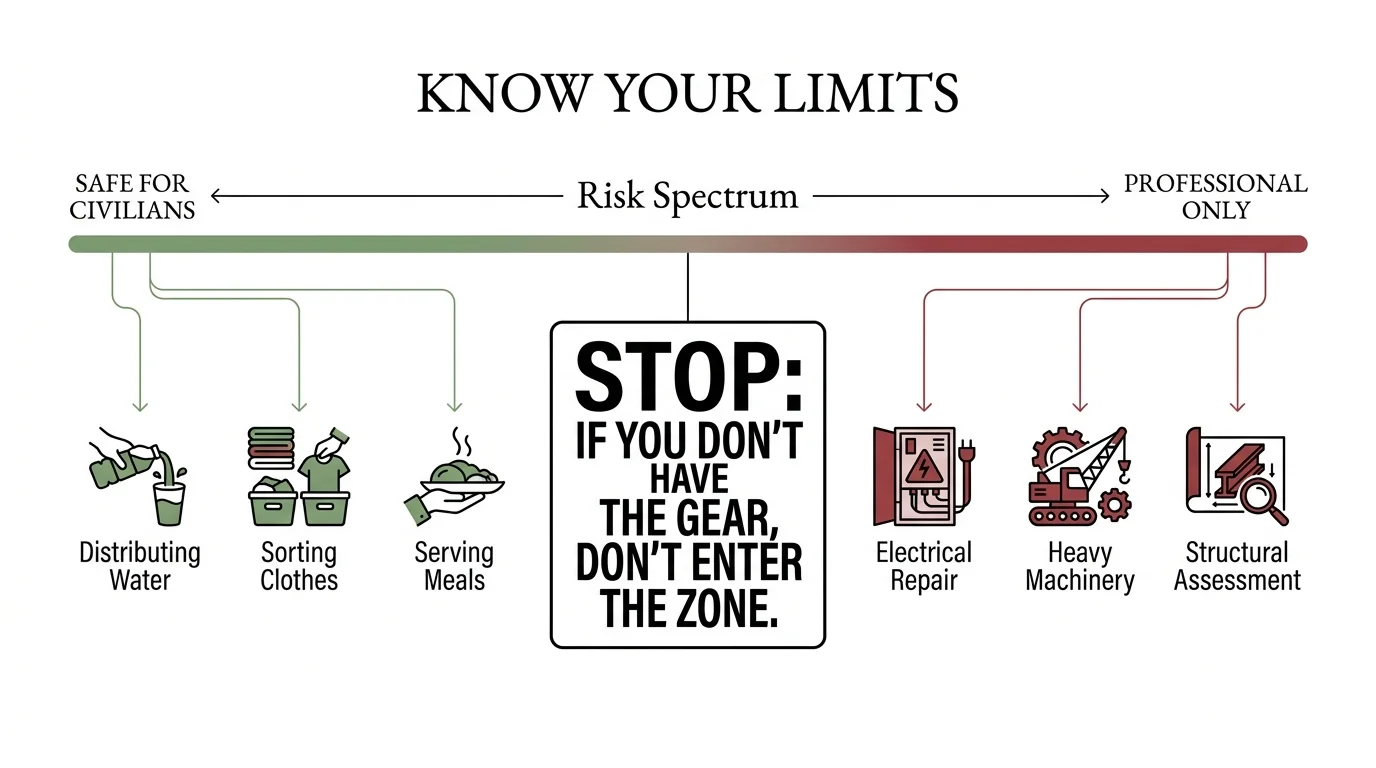
When DIY Isn’t Enough
If you have been directly impacted by a major weather event, community goodwill is a wonderful start, but it will not fix everything. There are specific moments when professional intervention is non-negotiable.
- Navigating Insurance Disputes: If your home suffers severe damage and your insurance company offers a settlement that will not cover the rebuild, it is time to hire a licensed public adjuster to advocate on your behalf.
- Structural Integrity Concerns: Never rely on a quick visual check to determine if a flooded or burned home is safe to enter. Bring in a structural engineer or a licensed contractor to inspect the foundation and load-bearing walls.
- FEMA Denials: If your application for federal disaster assistance is denied, do not give up. Consult with a legal aid organization specializing in disaster recovery; they can help you file the necessary appeals and correct paperwork errors.
- Mental Health Trauma: The emotional toll of surviving a catastrophic event can linger long after the debris is cleared. Engaging a trauma-informed therapist or counselor is vital for your long-term recovery.
The stories of the Cajun Navy, the Maui flotilla, and the Target employees sheltering strangers remind us that community is our greatest asset in a crisis. While professional first responders and government agencies, like the FBI or FEMA, handle the massive logistics of disaster management, it is the immediate, localized compassion of everyday people that often saves the day. If you want to be prepared to help your own community, consider taking a local CPR class or registering with a disaster response network before the next storm hits.
This is general informational content based on widely accepted guidance. Individual results vary. Verify current details—rules, prices, eligibility, regulations—with official sources before making important decisions.








Leave a Reply