Your childhood weekends likely revolved around toys that sparked your imagination, tested your reflexes, and occasionally burned your fingertips. The era before screens gave us some of the most inventive and mildly hazardous playthings ever designed. You probably circled these mechanical wonders in the Sears Wish Book, hoping they would appear under the tree. While modern gadgets rely on software, these mid-century marvels used gyroscopes, heating coils, and sheer gravity to keep you entertained for hours. Revisit ten forgotten favorites that defined a generation of boomers, and discover why these retro classics remain highly prized by collectors searching for a piece of their past.
1. Mattel Thingmaker and Creepy Crawlers
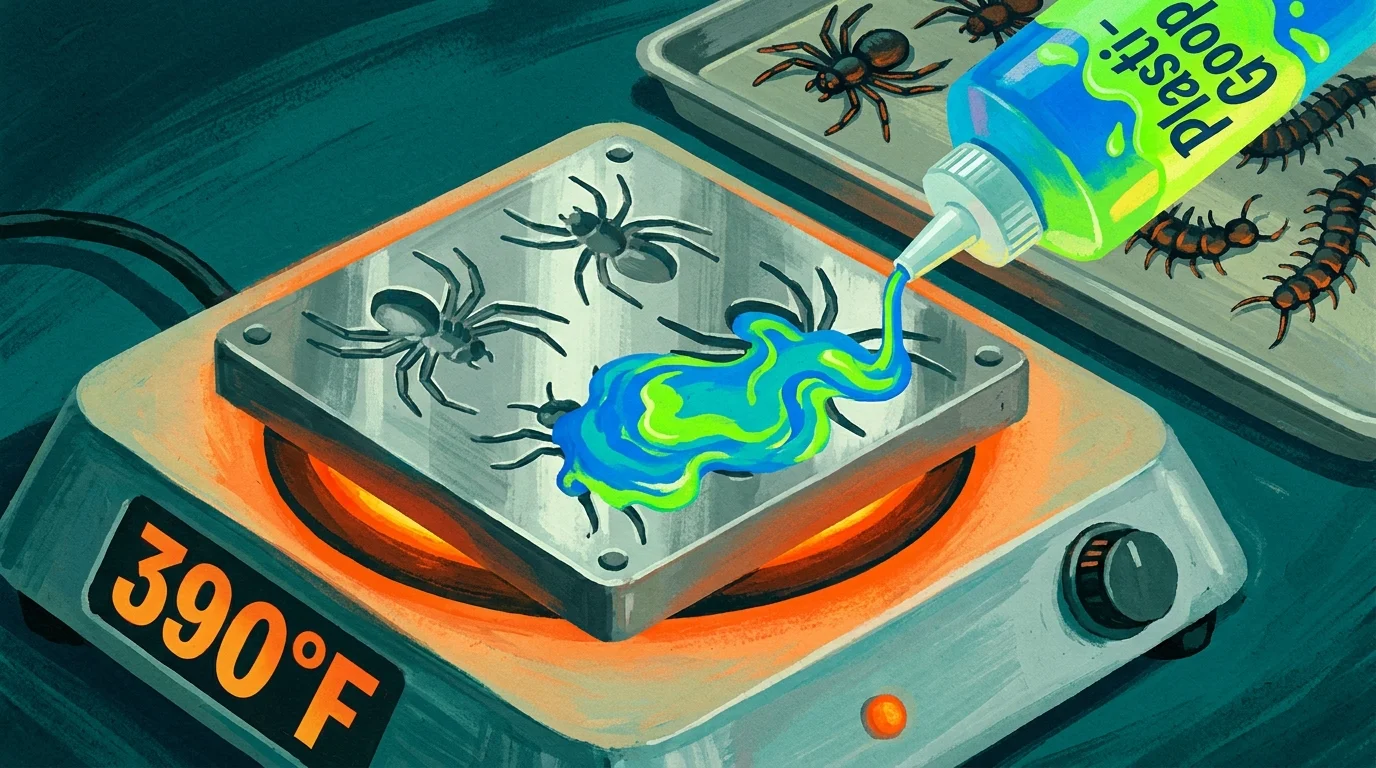
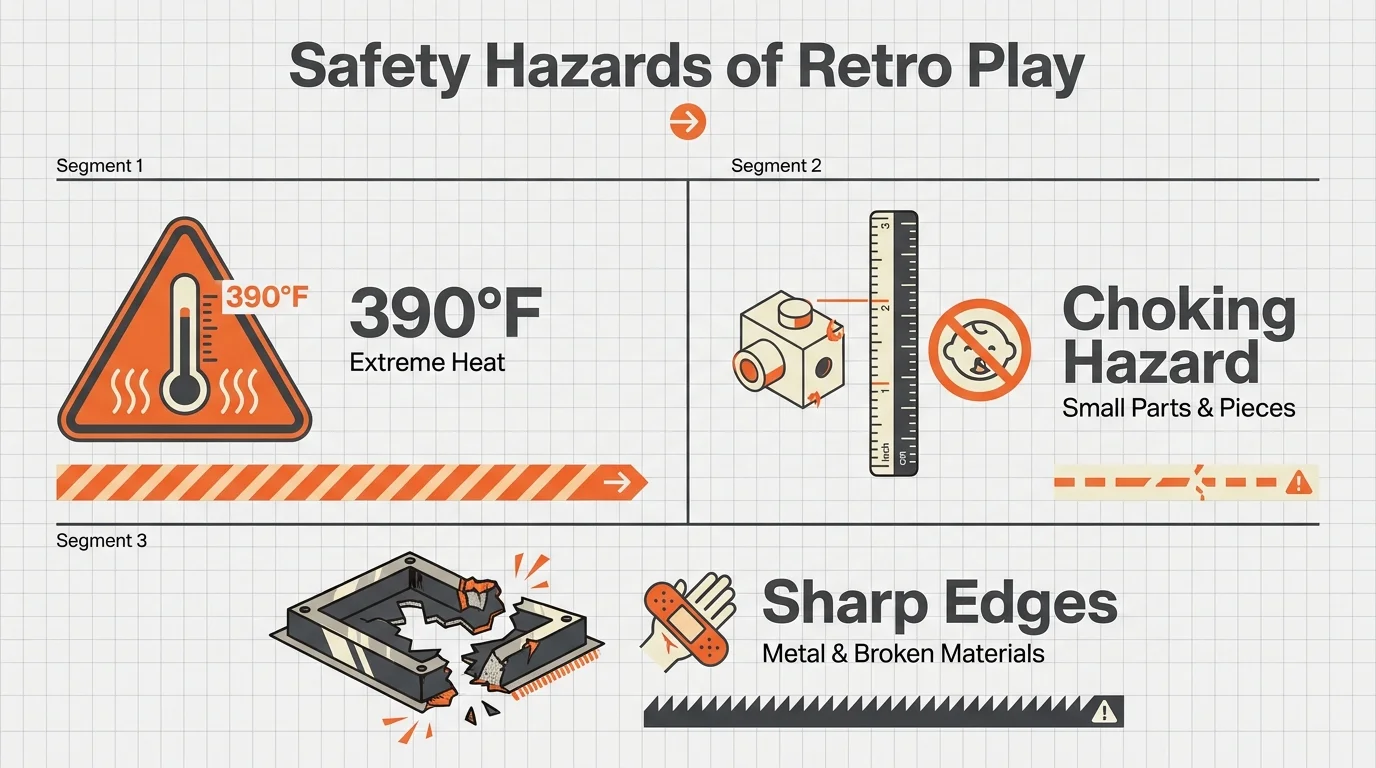
Mattel launched the Thingmaker in 1964, though you probably remember it best by its most famous mold set: Creepy Crawlers. The concept relied on a simple but fascinating chemical reaction. You poured brightly colored, liquid Plasti-Goop into heavy die-cast metal molds. Next, you carefully placed those molds onto an open-face electric hot plate. The heater reached a staggering 390 degrees Fahrenheit, curing the liquid into semi-solid, rubbery bugs, spiders, and centipedes.
You waited impatiently for the molds to cool in a pan of shallow water before using a specialized two-pronged tool to pry your newly minted monsters free. You then hid these rubber creations in your sibling’s bed or your mother’s purse. Today, handing a child a 390-degree hot plate sounds like a liability nightmare, but it gave you a genuine, deeply satisfying sense of creation.
2. Kenner SSP Smash-Up Derby
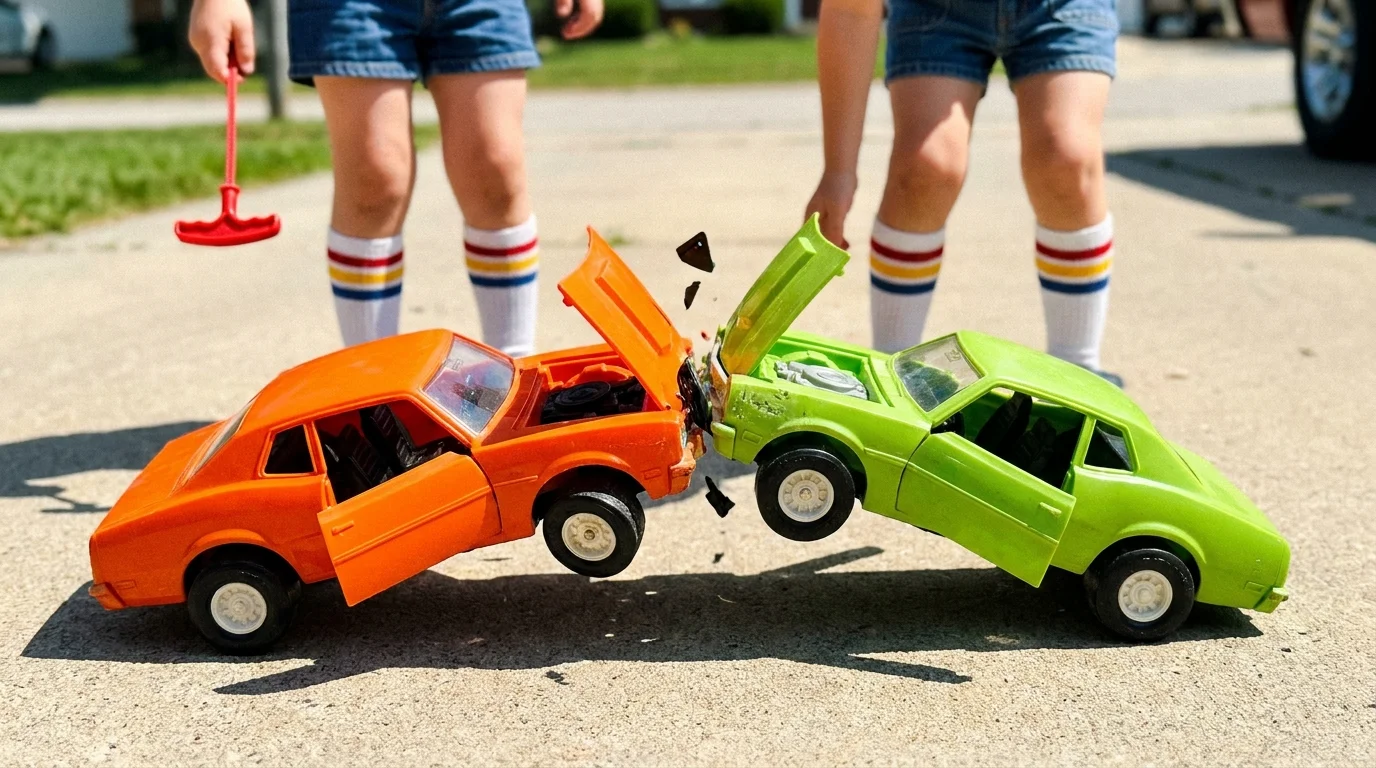
Kenner introduced Super Sonic Power (SSP) cars in 1970. These heavy plastic vehicles featured a central gyro-wheel that you revved using a long, toothed plastic ripcord. You yanked the T-handle as hard as you could, dropped the car on the pavement, and watched it scream away at surprisingly high speeds.
The Smash-Up Derby sets elevated the SSP concept by encouraging outright destruction. Kenner designed these specific cars with spring-loaded hoods, doors, and wheels. You set up the plastic ramps, revved two cars simultaneously, and sent them hurtling toward each other. Upon impact, the cars exploded, sending plastic debris flying across the kitchen floor. You simply snapped the pieces back onto the chassis, reinserted the ripcord, and initiated the next crash. It tapped perfectly into the chaotic, high-energy nature of childhood.
3. Ideal Evel Knievel Stunt Cycle
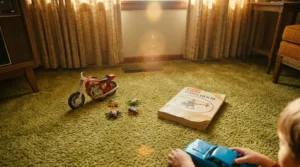
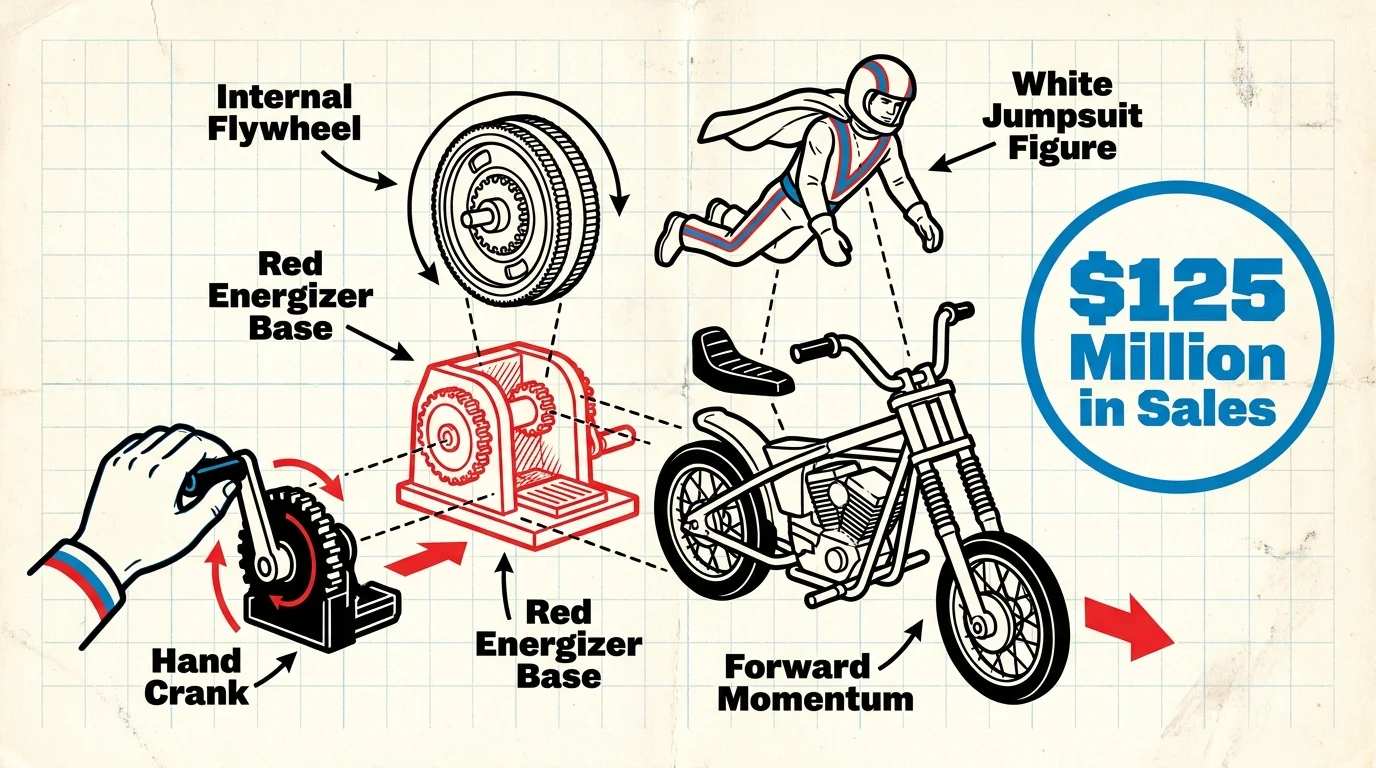
In the 1970s, motorcycle daredevil Evel Knievel was a larger-than-life superhero. In 1973, the Ideal Toy Company capitalized on this nationwide fame by releasing the Evel Knievel Stunt Cycle. The set included a bendable figure clad in a white jumpsuit and a meticulously detailed stunt motorcycle.
You mounted the figure on the bike, locked the rear wheel into the red energizer base, and furiously turned the hand crank. Once the internal flywheel reached maximum velocity, you pushed the release button. The motorcycle tore across the room, hit whatever ramp you constructed from encyclopedias, and soared through the air. The cycle was nearly indestructible, routinely surviving dramatic crashes into walls, doors, and furniture. According to Wikipedia, the Ideal Toy Company sold more than $125 million worth of Knievel merchandise during the product’s lifespan, making it an absolute staple of suburban playrooms.

4. Mattel VertiBird
Mattel released the VertiBird in 1971, giving you the ability to pilot a flying machine right in your bedroom. The toy featured a miniature helicopter attached to a central base via a counterbalanced metal tether. A small electric motor in the base powered the rotors through a flexible drive shaft.
You operated the aircraft using a console equipped with two levers. One lever controlled the rotor speed to adjust altitude, while the other adjusted the pitch to fly forward or backward. You used the tiny hook dangling from the helicopter’s undercarriage to pick up plastic space capsules and stranded astronauts. It required genuine hand-eye coordination and patience. Historical archives from Wikipedia highlight that the toy proved so successful that Mattel distributed international versions across Canada, the UK, Germany, and Japan throughout the 1970s.
5. Parker Brothers Gnip Gnop
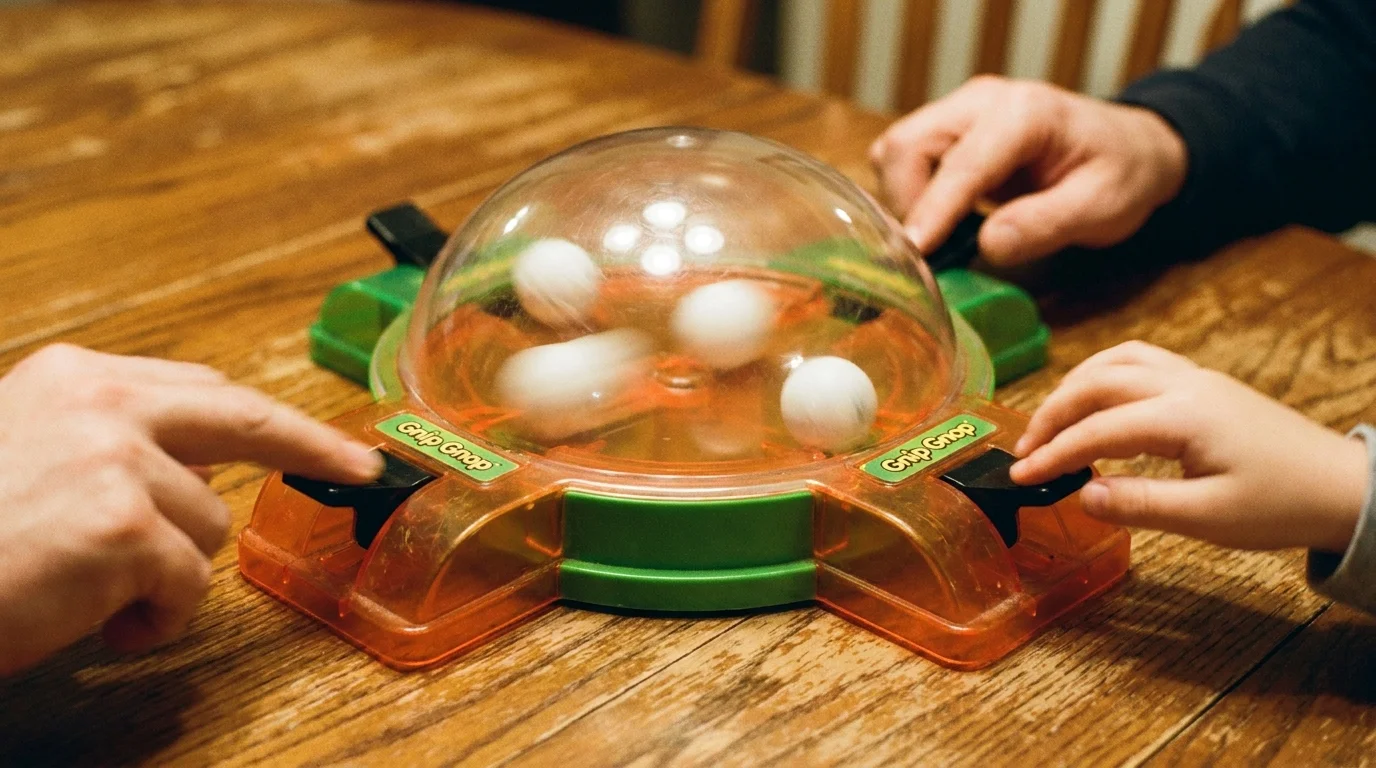
If you spell “Ping Pong” backward, you get Gnip Gnop—a frantic, loud, and highly competitive tabletop game released by Parker Brothers in 1971. The game consisted of a clear plastic dome divided by a center barrier with three distinct holes. Each player started with three ping pong balls.
You slapped three plastic keys on your side of the board, which launched the balls into the air. The goal was to fire your pink or green balls through the holes into your opponent’s territory while they did exactly the same thing to you. The game created an unholy racket of slapping plastic and clattering balls. Matches lasted only a few chaotic seconds, leaving the winner triumphant and the loser demanding an immediate rematch.
6. Mattel Strange Change Machine
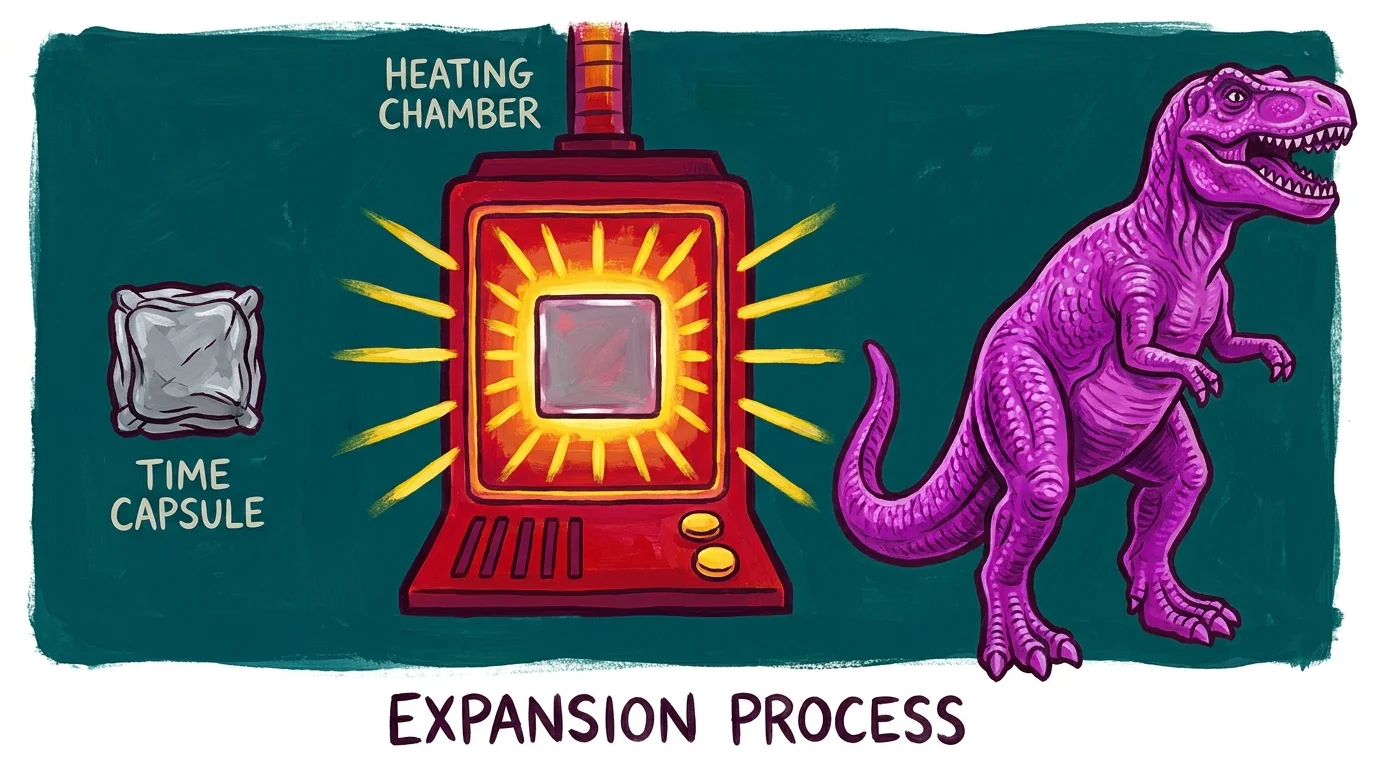
Before computer-generated imagery brought dinosaurs to life on the movie screen, Mattel achieved the feat using heat and compressed plastic. Released in 1967, the Strange Change Machine looked like a piece of laboratory equipment resting on a green, vacuum-formed plastic landscape.
You took a small, brightly colored plastic square—dubbed a “time capsule”—and placed it into the heating chamber. As the capsule warmed, the plastic memory activated, causing the square to unfold slowly into a pterodactyl, a spider, or a bizarre alien monster. When you finished your adventure, you reheated the figure, placed it into a mechanical press on the side of the machine, and cranked the handle to crush it back into a tiny square. You could repeat the process until the plastic eventually degraded.

7. Wham-O Water Wiggle
During hot summer afternoons, the Wham-O Water Wiggle turned your backyard into a thrilling hazard zone. Introduced in 1962, the toy consisted of a seven-foot plastic sleeve attached to an aluminum water-jet nozzle. A heavy, bell-shaped plastic head covered the nozzle.
When you attached it to a garden hose and turned the spigot on full blast, the water pressure sent the heavy head thrashing violently and unpredictably through the air. You and your friends ran screaming through the yard, trying to catch the tail without taking a hit to the head from the heavy plastic bell. The danger was entirely real. According to the Consumer Product Safety Commission, Wham-O officially recalled the Water Wiggle in 1978 after the product caused two tragic fatalities, halting sales after 2.5 million units had reached American backyards.
8. Kenner Give-A-Show Projector
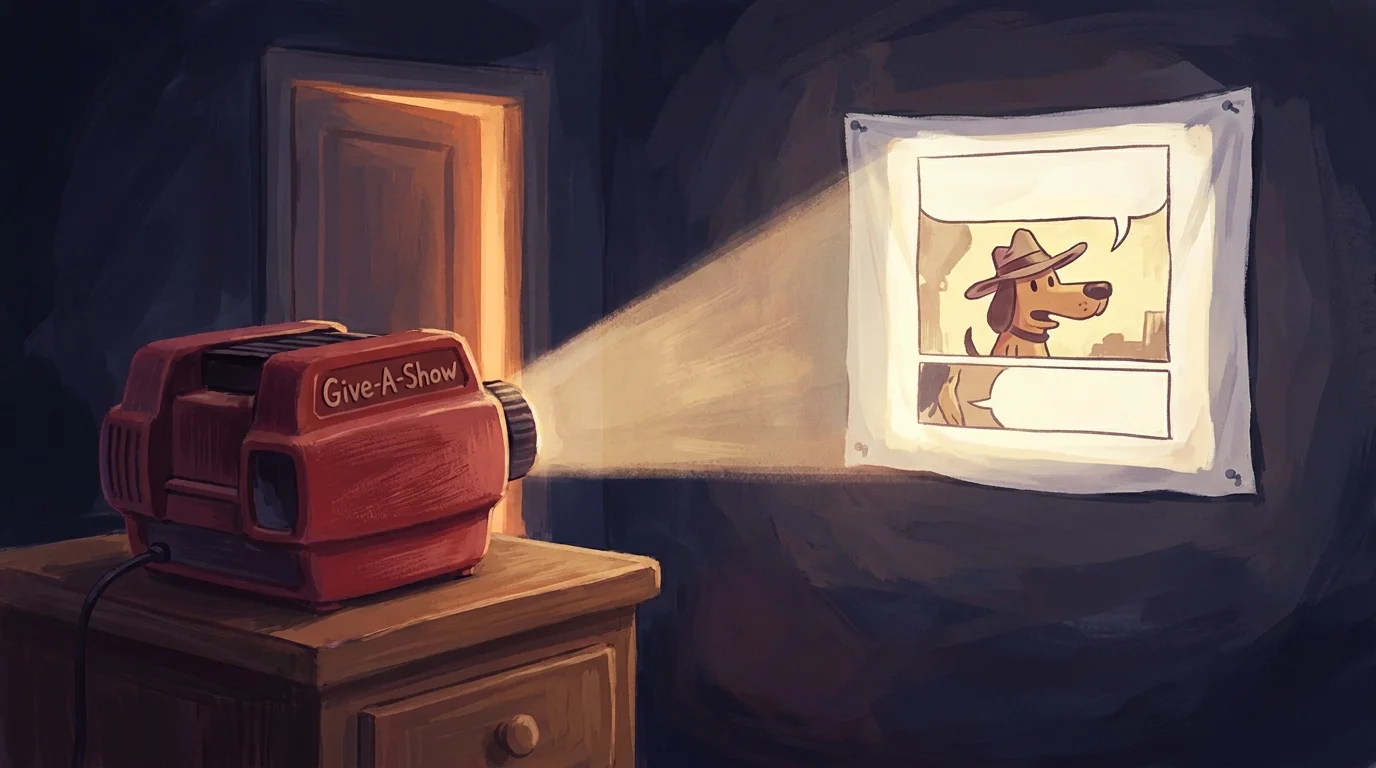
Kenner originally introduced the Give-A-Show Projector in 1959, but the toy found its stride and dominated households throughout the 1960s and 1970s. The device operated like a rugged, battery-powered flashlight equipped with a specialized lens.
You slid a strip of translucent film horizontally through a slot in the projector to beam comic-style panels onto a blank wall. Sitting in a darkened bedroom, you manually advanced the strip frame by frame, projecting adventures featuring characters like Yogi Bear, The Flintstones, and Captain Kangaroo. It essentially allowed you to host your own drive-in movie theater, giving you the chance to read the dialogue bubbles aloud to your siblings before bedtime.
9. TOMY Waterfuls
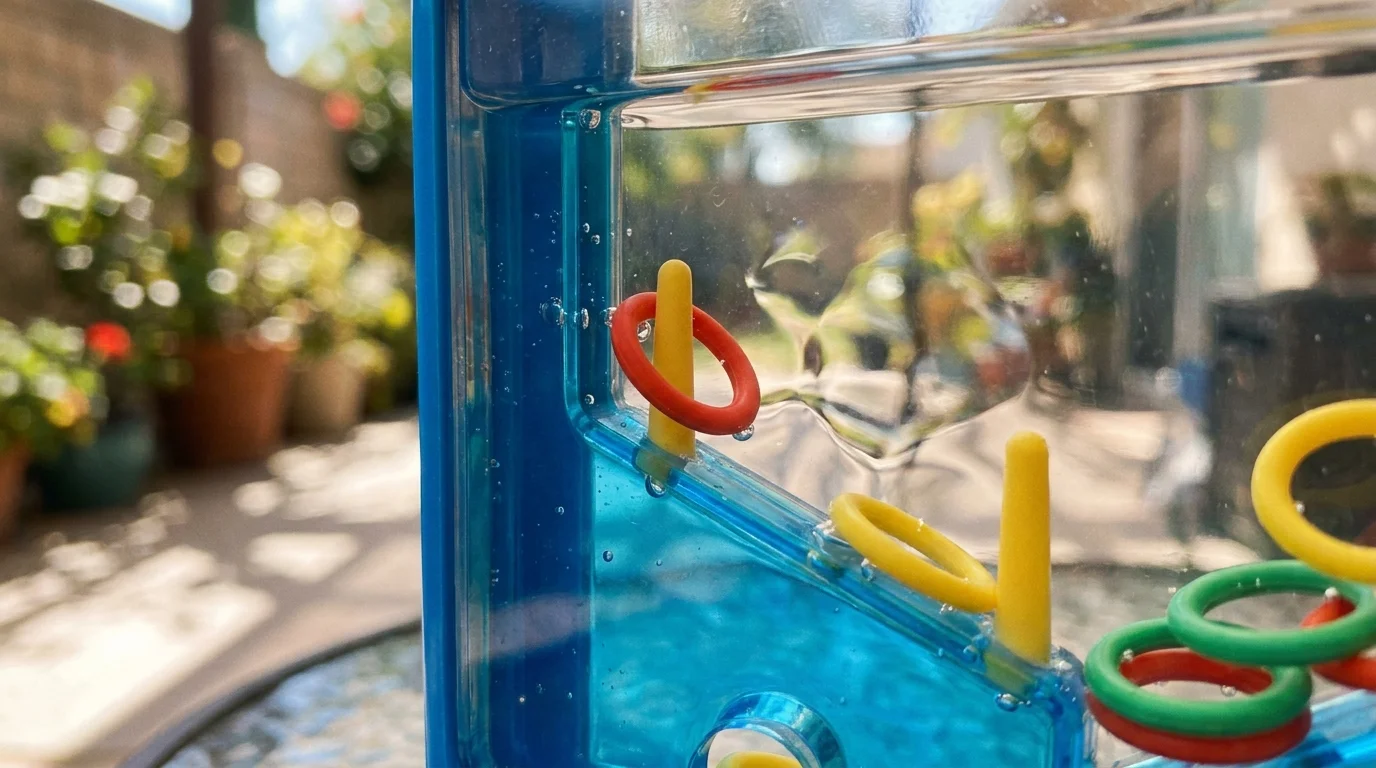
TOMY captured the attention of bored children everywhere with the introduction of Waterfuls in 1976. These clear, hand-held plastic tanks were completely sealed and filled with tap water. They required no batteries, relying entirely on fluid dynamics and your thumb.
You pressed a single, rubbery button at the base of the toy, which shot a burst of air into the water chamber. This underwater current propelled small plastic rings or tiny basketballs upward. You tilted the toy and carefully timed your button presses to land the rings on a peg or sink the balls into a hoop. It served as the ultimate analog distraction during long car rides, rainy days, or tedious waiting room visits.
10. Hasbro Romper Room Inchworm
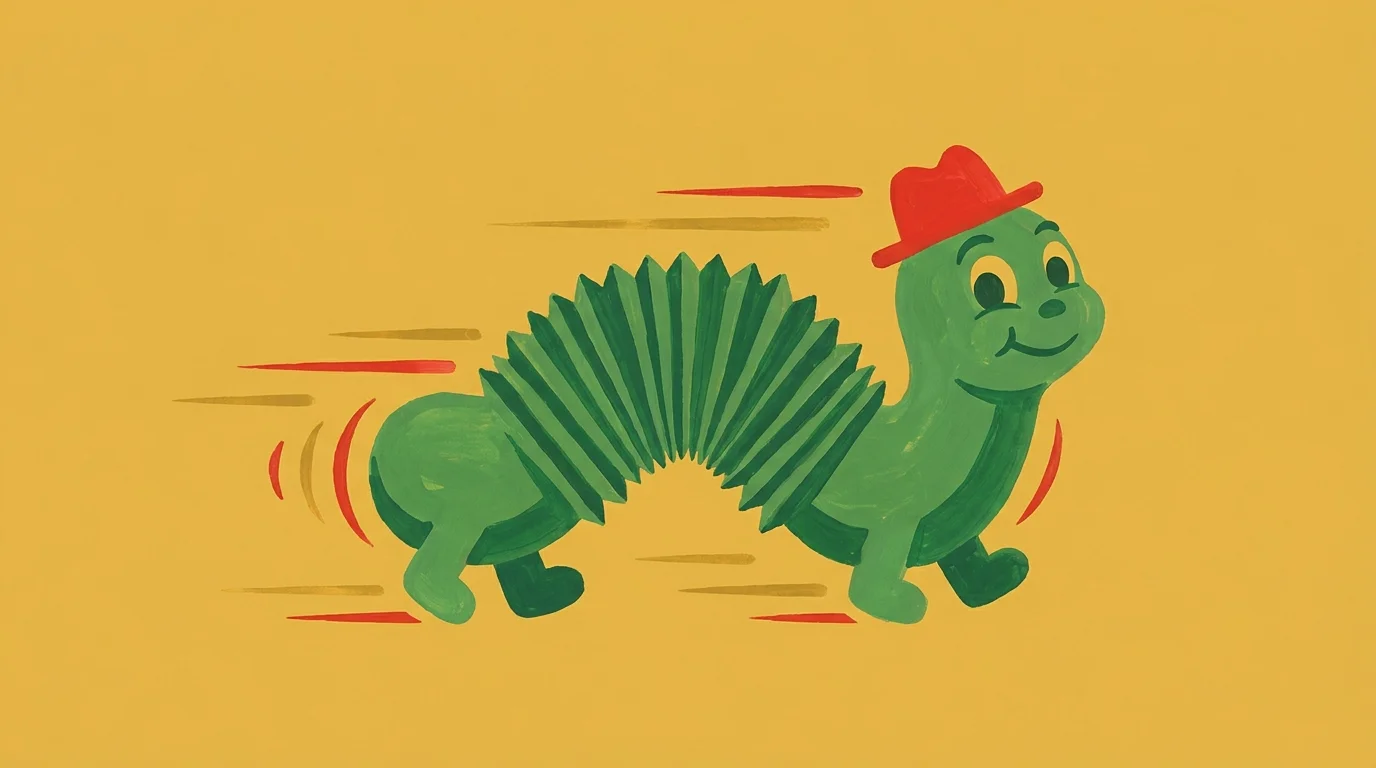
Hasbro’s Romper Room Inchworm hit the market in 1973 and instantly became a driveway status symbol. The bright green, saddle-equipped ride-on toy featured a smiling yellow head, a red hat, and a unique articulated frame.
Instead of pedaling, you straddled the saddle and bounced up and down. The physical bouncing motion forced the wheels to spread apart and pull back together, inching you forward across the floor. The simple mechanical design perfectly captured the movement of a real caterpillar. It gave younger kids a fun, highly physical way to move around the house long before battery-powered ride-on vehicles existed.

What This Means for You
Toys reflect the culture and technological limits of their time. The toys of the 60s and 70s required your physical interaction, patience, and imagination to function. They were tactile and mechanical, relying on winding, pulling, heating, and pressing rather than passive viewing.
The appeal of vintage toys goes beyond the physical objects themselves. Collectors invest in these items to reclaim a tactile, screen-free era of play where imagination and mechanical ingenuity drove the experience.
If you or your parents kept your childhood toys stored safely in the attic, you own a literal piece of mid-century history. While some items hold deep sentimental value, others have appreciated significantly on the secondary market as nostalgic collectors seek out pristine examples of the toys they once loved.
What Can Go Wrong: The Reality of Vintage Toys
If you plan to buy back your childhood favorites or sell items you found in storage, you should understand the inherent pitfalls of decades-old toys.
- Brittle Plastics: Decades of UV exposure and extreme temperature fluctuations cause vintage plastic components to snap under the slightest pressure.
- Corroded Battery Compartments: Leaving alkaline D-batteries inside a VertiBird base or a projector for forty years destroys the metal contacts and ruins the internal motors.
- Missing Crucial Parts: An SSP car without its specific ripcord or a Strange Change Machine missing its compression crank loses all functionality and most of its financial value.
- Outdated Safety Standards: Toys from the 60s and 70s routinely lacked modern safety features. Heating coils, sharp metal edges, and heavy projectiles present real risks if you let your young grandchildren play with them unmonitored.
Where Outside Advice Pays Off
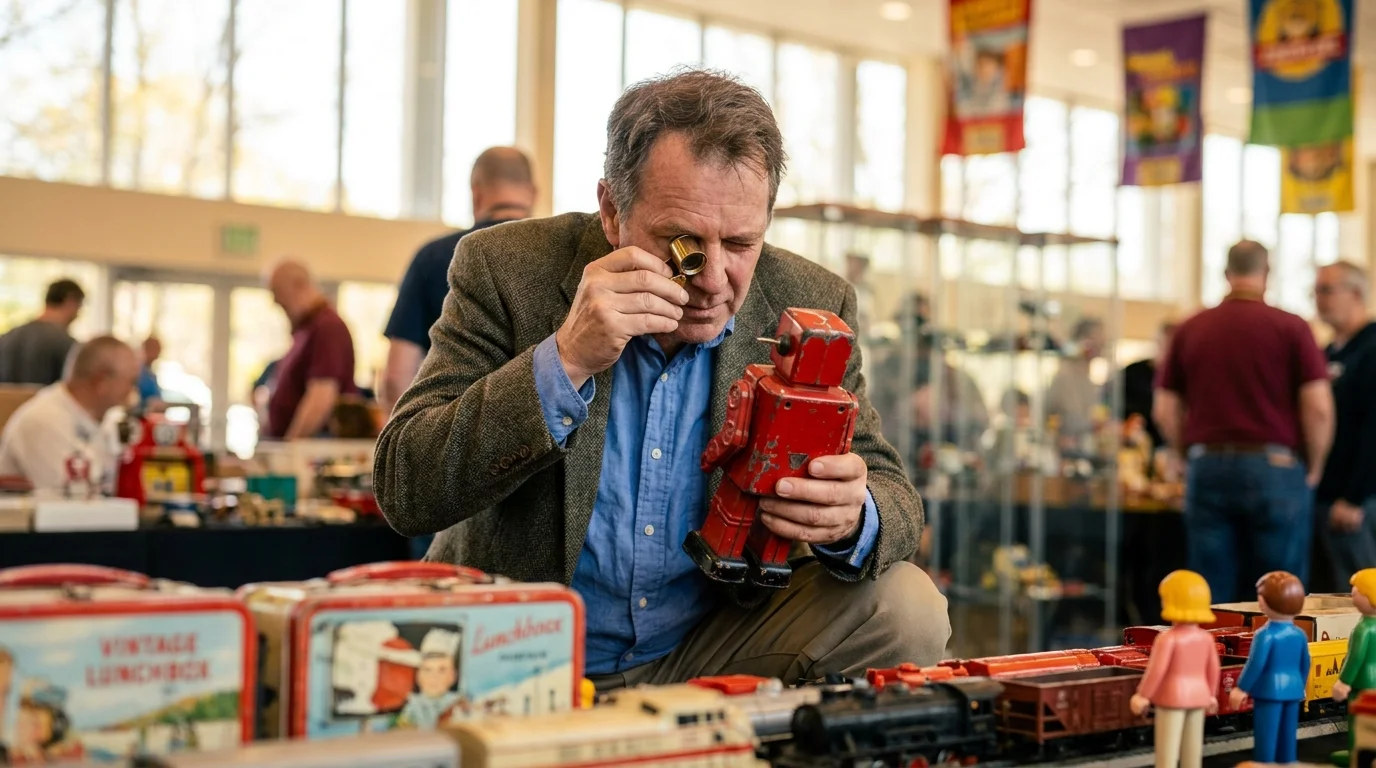
When dealing with a significant collection of vintage toys, expert guidance prevents costly mistakes.
- Estate Appraisals: If you uncover a pristine box of 1960s toys, an appraiser can identify subtle mold variations or rare packaging that drastically increases the value.
- Professional Restoration: Attempting to clean corroded battery terminals with harsh household chemicals can destroy original paint and decals. Toy restoration experts know exactly how to preserve the original patina.
- Auction Houses: For highly sought-after items like factory-sealed Evel Knievel sets, a professional auction house reaches motivated, high-end buyers far better than a local garage sale.

Vintage Toy Valuation Factors
If you are exploring the collector’s market, understanding how items are graded helps you gauge their true worth.
| Condition Grade | Description | Collector Value |
|---|---|---|
| Mint In Box (MIB) | Never opened, factory sealed, with vibrant, undamaged packaging. | Premium |
| Complete In Box (CIB) | Opened and played with, but includes all original pieces, inserts, and instructions. | High |
| Loose Complete | No original box, but every functional piece and accessory is present and working. | Moderate |
| For Parts / Junk | Broken mechanisms, missing crucial elements, or suffering heavy cosmetic damage. | Low |
Frequently Asked Questions
Are childhood toys from the 1970s worth any money today?
Yes, value depends heavily on the condition, functionality, and whether the original packaging is intact. Factory-sealed items carry a significant premium over loose, heavily played-with toys.
Can you still buy Plasti-Goop for a vintage Thingmaker?
Original Plasti-Goop has largely dried out or degraded over the decades. While some modern third-party alternatives exist online, using a vintage 390-degree hot plate requires extreme caution due to old wiring.
Why did manufacturers stop making toys like the Smash-Up Derby?
Consumer safety standards tightened significantly in the 1980s. Regulators forced companies to phase out toys featuring heavy projectiles, high-heat elements, and sharp edges to prevent childhood injuries.
Whether you want to hunt down a pristine VertiBird for your office desk or simply smile at the memory of a spectacular Smash-Up Derby crash, these toys represent a uniquely creative era. Take a moment to check your basement or attic—you might just find a valuable piece of your childhood waiting to be rediscovered. This is general informational content based on widely accepted guidance. Individual results vary. Verify current details—rules, prices, eligibility, regulations—with official sources before making important decisions.
Last updated: May 2026. Rules, prices, and details change—verify current information with official sources before acting on it.