Nostalgia often tastes like a crispy fried clam strip, an unlimited salad bar, or a powdered sugar-dusted Monte Cristo sandwich. While modern dining prioritizes fast-casual convenience and app-based delivery, millions of adults still miss the distinctive character of the family-style restaurants that defined the 1970s, 1980s, and 1990s. Some of these once-dominant chains pioneered entirely new ways of eating out—from the first kids’ meals to self-serve buffets—before vanishing due to corporate bankruptcies, changing tastes, or over-expansion. A few have managed to hang on by a thread or are plotting unexpected revivals, but most live on strictly in our memories. Here is a look at 10 iconic, forgotten restaurants that Americans miss the most.
1. Howard Johnson’s: The Iconic Orange Roofs
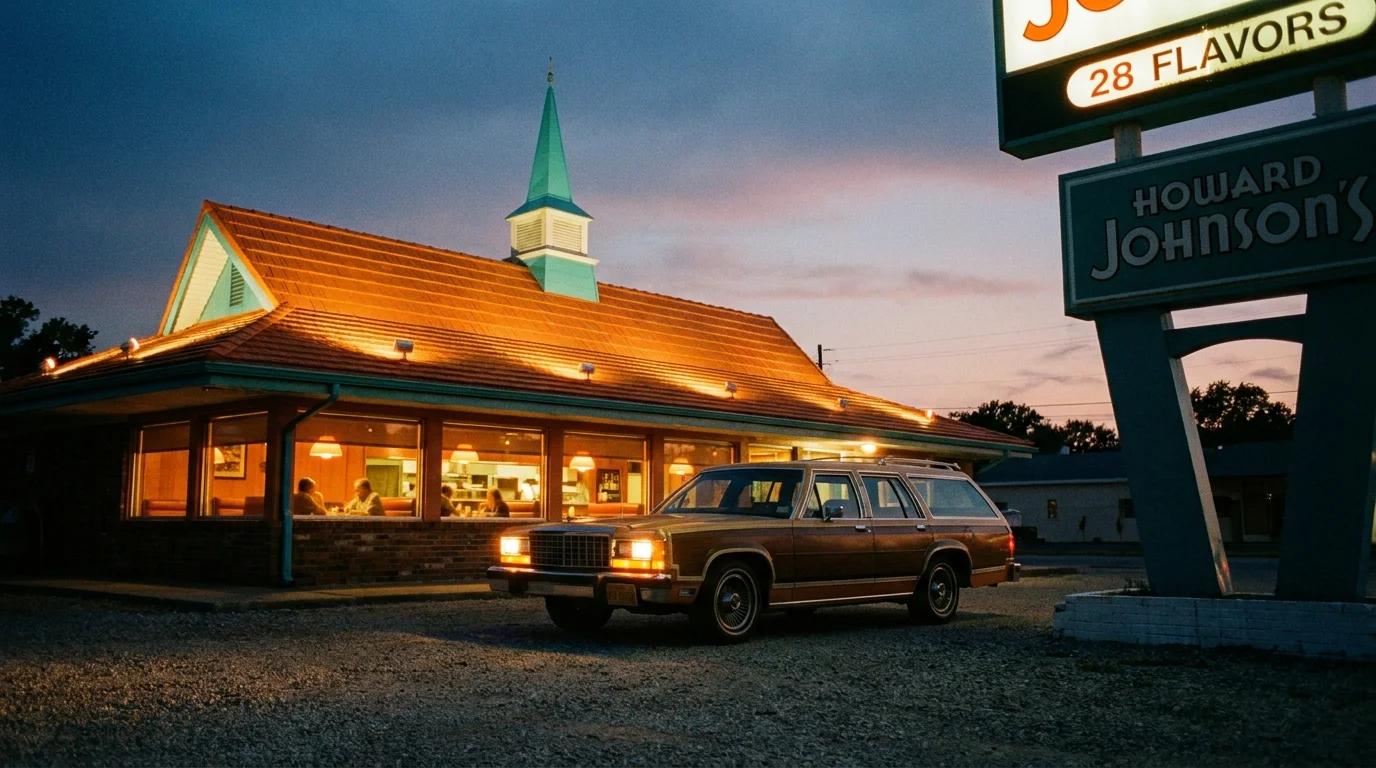
If you took a family road trip anytime between the 1950s and the 1980s, you almost certainly stopped under a bright orange roof. Howard Johnson’s—affectionately known as HoJo’s—was once the largest restaurant chain in the United States, boasting around 1,000 locations at its peak. It offered weary travelers a reliable place to stretch their legs, grab a hot meal, and indulge in the chain’s famous 28 flavors of ice cream.
The restaurants were also renowned for their fried clam strips, which popularized the New England seafood staple across the rest of the country. Unfortunately, as faster drive-thru options gained dominance along the interstate highways, the classic sit-down diner model struggled to compete. Marriott Corporation purchased the brand in 1985 and gradually dismantled the restaurant division to focus on the hotels. According to historical timelines, the last standalone Howard Johnson’s restaurant, located in Lake George, New York, officially closed its doors in 2022.
2. Steak and Ale: The Original Salad Bar
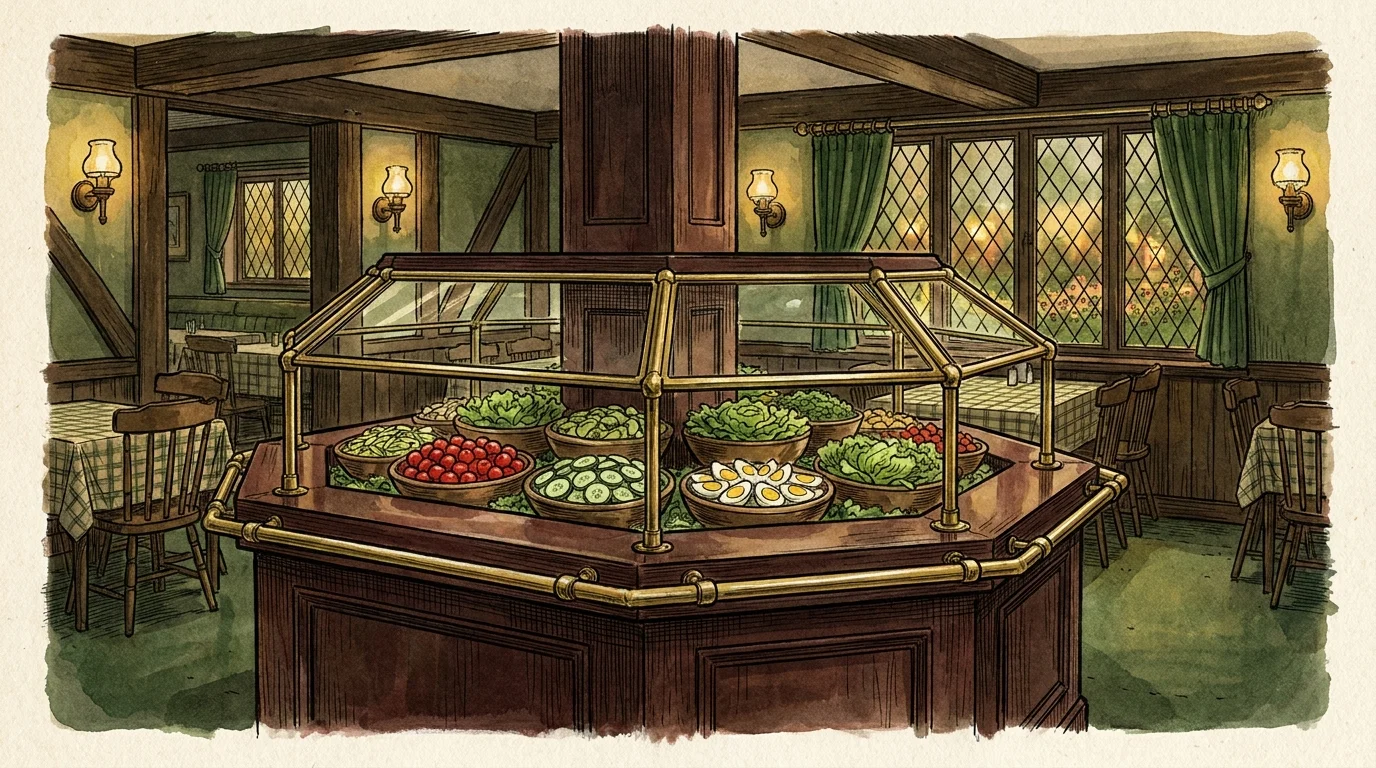
Founded in Dallas in 1966 by legendary restaurateur Norman Brinker, Steak and Ale brought an upscale steakhouse experience to middle-class America. Walking into a Steak and Ale felt like entering a cozy English Tudor manor, complete with dim ambient lighting, dark wood paneling, and a relaxed atmosphere. The chain is widely credited with inventing the modern self-serve salad bar, changing the way Americans ate out.
Guests loved the signature herb-roasted prime rib, the Kensington Club marinated steak, and the limitless trips to the salad buffet. The parent company, Metromedia Restaurant Group, filed for Chapter 7 bankruptcy in 2008, forcing all remaining U.S. locations to shut down abruptly. However, your memories of their honey wheat bread might soon become a reality again. A new ownership group, Legendary Restaurant Brands, officially relaunched the concept in July 2024 by opening a brand-new Steak and Ale in Burnsville, Minnesota, with plans for further expansion.
3. Chi-Chi’s: A Celebration of Tex-Mex
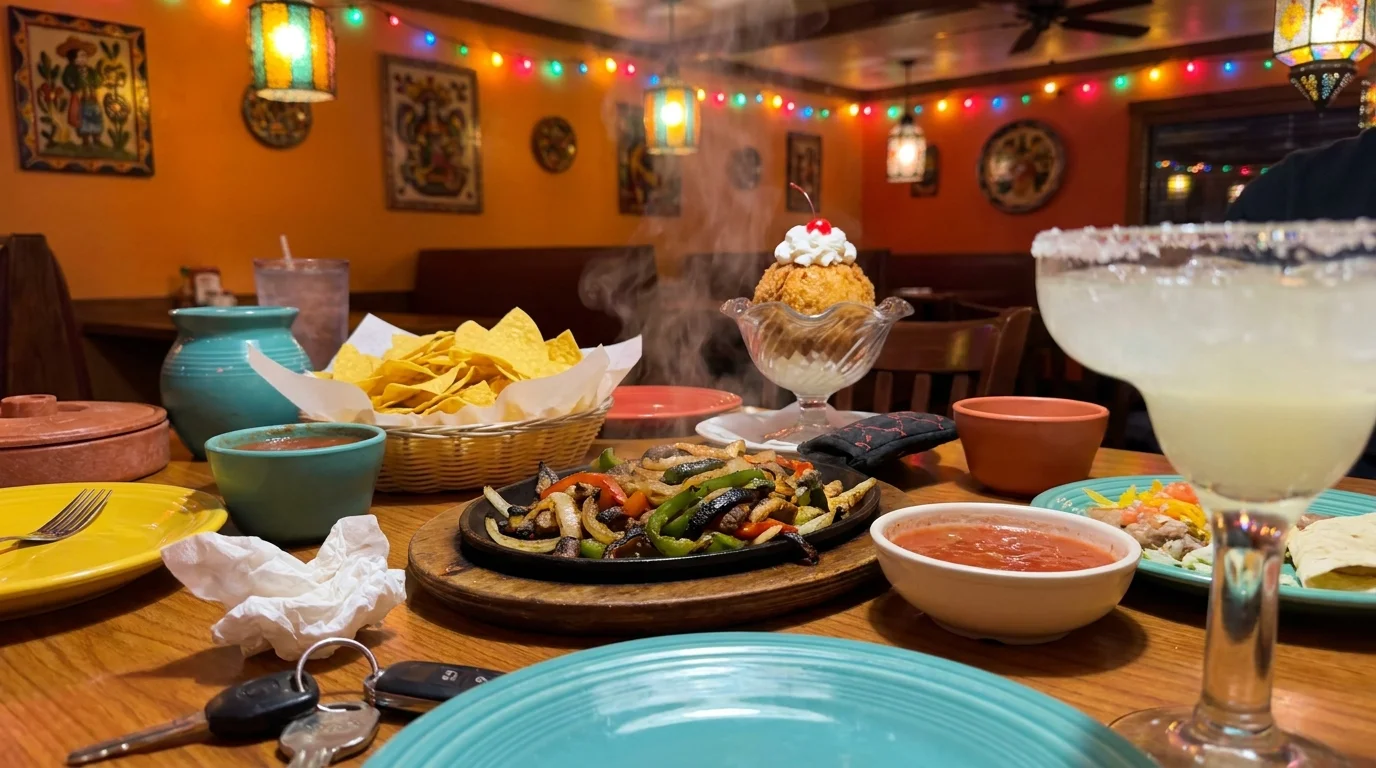
Before Mexican cuisine was readily available in every American suburb, Chi-Chi’s introduced millions of families to chimichangas, sizzling fajitas, and massive margaritas. Founded in Minnesota in 1975 by Marno McDermott and former Green Bay Packers player Max McGee, the chain embraced a festive “Mexican garden” atmosphere that made it the premier destination for birthday dinners and weekend celebrations.
For decades, you could count on Chi-Chi’s for an endless supply of warm tortilla chips, mild salsa, and their famous deep-fried ice cream. The company eventually fell on hard times due to increased competition and filed for bankruptcy in 2003. A devastating Hepatitis A outbreak traced back to contaminated green onions sealed its fate, and the remaining U.S. and Canadian locations closed by 2004. While you can still find Chi-Chi’s branded salsa in your local grocery store aisle, the physical restaurants vanished—though the founder’s son recently announced efforts to revive the brand.
4. Burger Chef: The Pioneer of the Kids’ Meal
In the early 1970s, Burger Chef was an absolute juggernaut in the fast-food industry, trailing only behind McDonald’s with more than 1,200 locations nationwide. The chain was famous for its flame-broiled “Big Shef” and “Super Shef” burgers, as well as the innovative “Works Bar,” which allowed customers to customize their own hamburgers with a variety of fresh toppings.
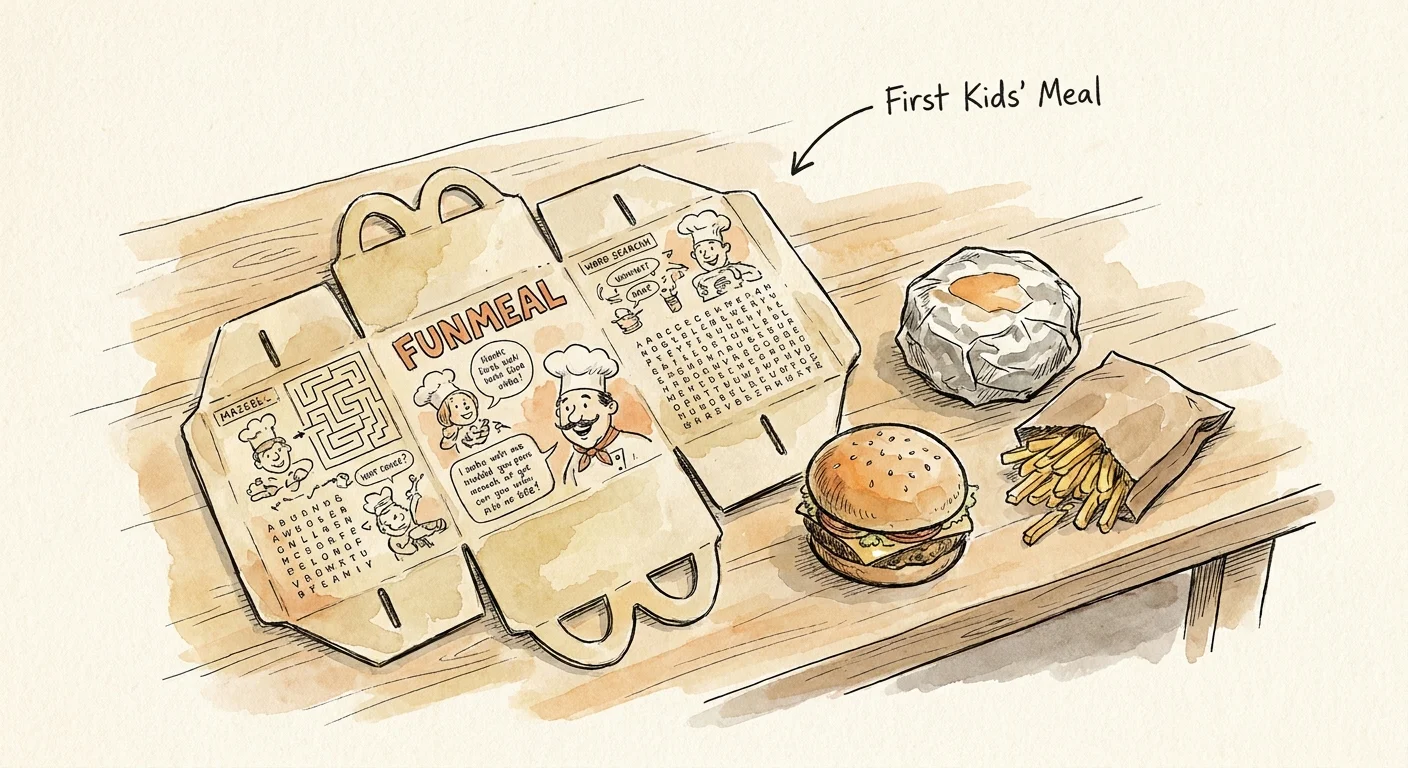
Burger Chef’s most lasting legacy, however, is the kids’ meal. In 1973, they introduced the “Funmeal”—a combo that included a small burger, fries, a drink, a dessert, and a plastic toy—predating the McDonald’s Happy Meal by several years. Despite its innovations, the company struggled to maintain momentum and was sold by its parent company, General Foods, to Hardee’s in 1982 for $44 million. The locations were gradually converted into Hardee’s, and the final holdout Burger Chef in Tennessee closed its doors in 1996.
5. Bennigan’s: Irish Pub Hospitality
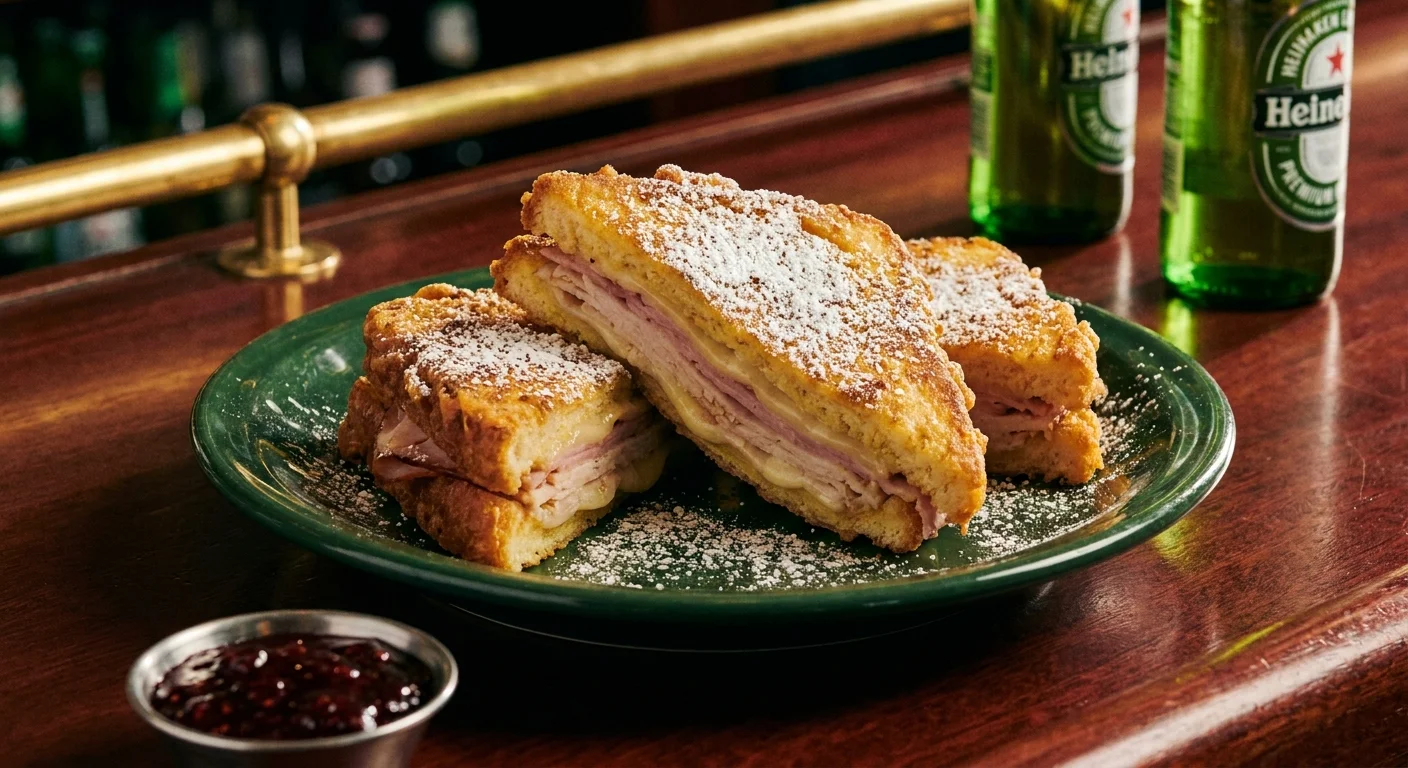
Bennigan’s was another brilliant concept from Norman Brinker, opening its first doors in 1976. Designed as a casual dining tavern with an Irish theme, it became the go-to spot for after-work happy hours, appetizers, and lively weekend dinners. Waitstaff covered in flair served up loaded potato skins and massive burgers, but the menu’s true star was the Monte Cristo.
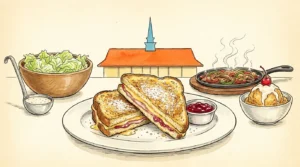
If you ever ordered it, you know exactly how indulgent it was: a stacked ham, turkey, and cheese sandwich, battered, deep-fried until golden brown, dusted with powdered sugar, and served with a side of raspberry preserves for dipping. Like its sister brand Steak and Ale, Bennigan’s fell victim to the 2008 Metromedia bankruptcy, which wiped out 150 corporate locations overnight. Today, a new management team operates a tiny handful of surviving franchise locations, keeping the Monte Cristo alive for a lucky few.
6. Victoria Station: Dining Inside Boxcars
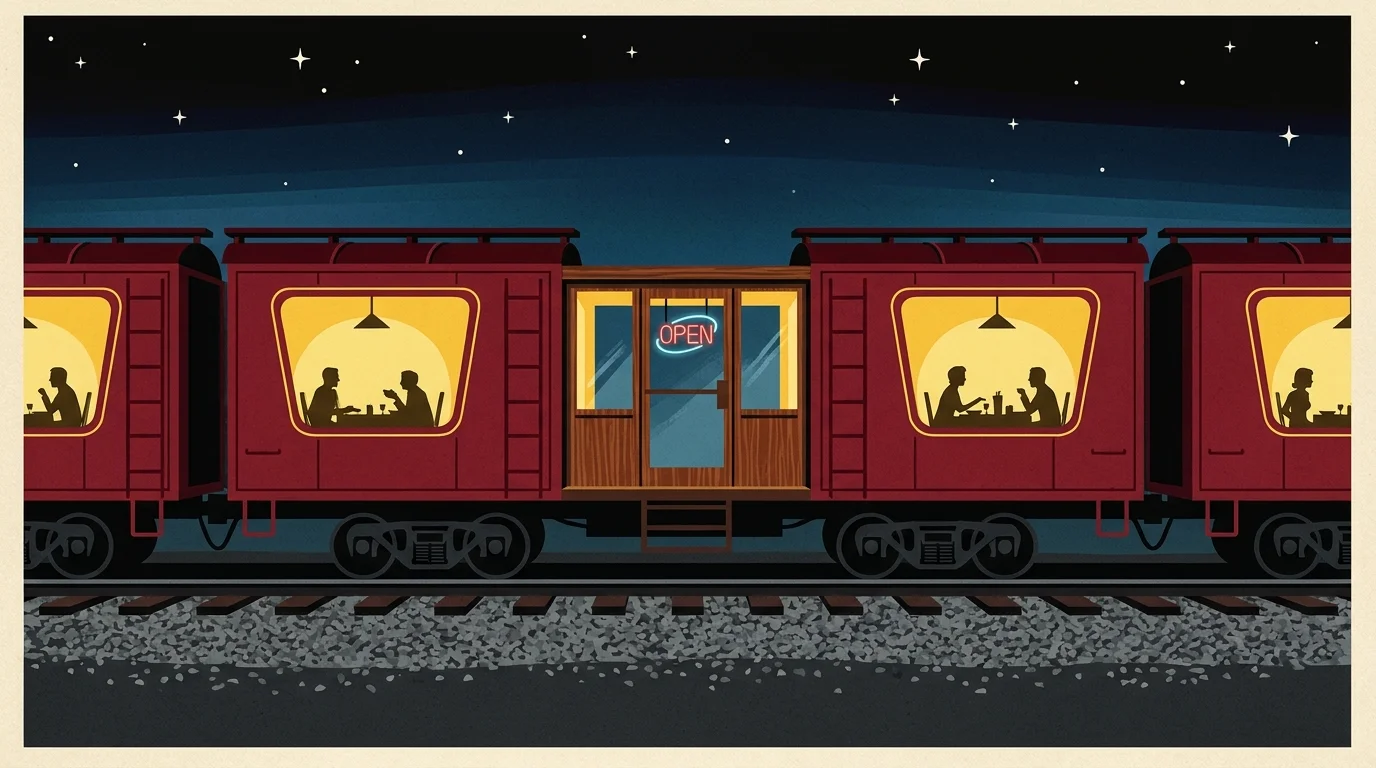
When it comes to memorable restaurant architecture, Victoria Station remains unmatched. Founded in 1969 by three Cornell University graduates, the chain built its restaurants using actual, decommissioned railway boxcars and cabooses centered around a main lobby. The theme was loosely based on London’s famous Victoria Station, decorated with authentic British railway artifacts and signs.
Families flocked to the unique concept, where diners ate prime rib inside vintage train cars and visited a baggage cart that had been converted into a sprawling salad bar. At its peak, the company operated nearly 100 locations across the country. Unfortunately, the high costs of maintaining the unique buildings and a sharp decline in the restaurant market led to a 1986 bankruptcy. The last remaining U.S. location—which was not housed in the original boxcars—closed down in Salem, Massachusetts, in 2017.
7. Ponderosa and Bonanza Steakhouses: The Ultimate Buffet
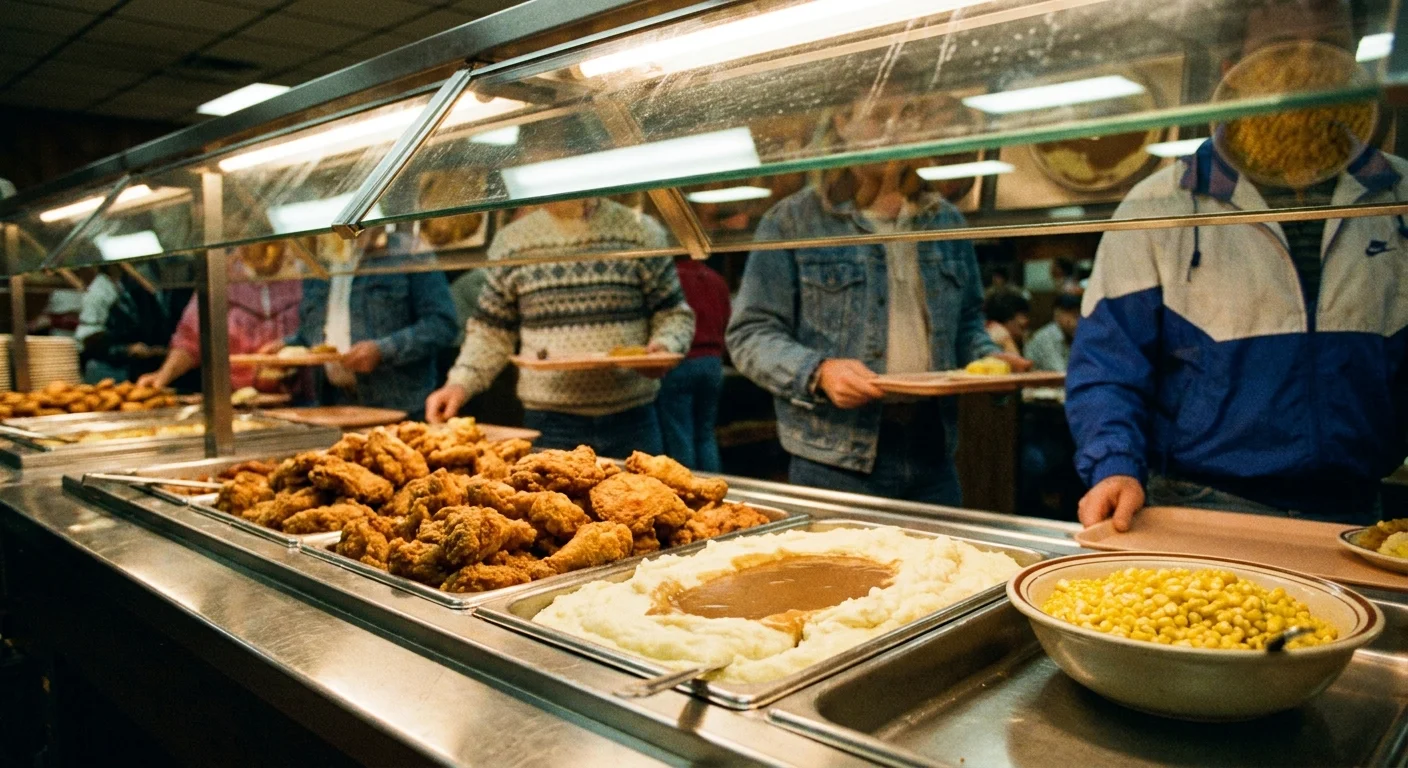
Named after the fictional ranch on the classic television western Bonanza, these family-friendly steakhouses defined budget dining in the 1970s and 1980s. You would grab a plastic tray, order a steak at the main counter, and then head straight to the “Grand Buffet.” The sheer volume of food was staggering: macaroni and cheese, fried chicken wings, endless dinner rolls, and a massive sundae bar where kids could dispense their own soft serve.
By 1989, the combined Ponderosa and Bonanza brands peaked at nearly 700 locations. But as American eating habits shifted away from heavy, all-you-can-eat buffets toward healthier fast-casual options, the massive footprint became a financial burden. Successive corporate buyouts and bankruptcies decimated the chain. As of 2024, only about 15 open locations remain scattered across the United States, mostly clustered in the Midwest.
8. Kenny Rogers Roasters: A Healthier Fast Food Dream
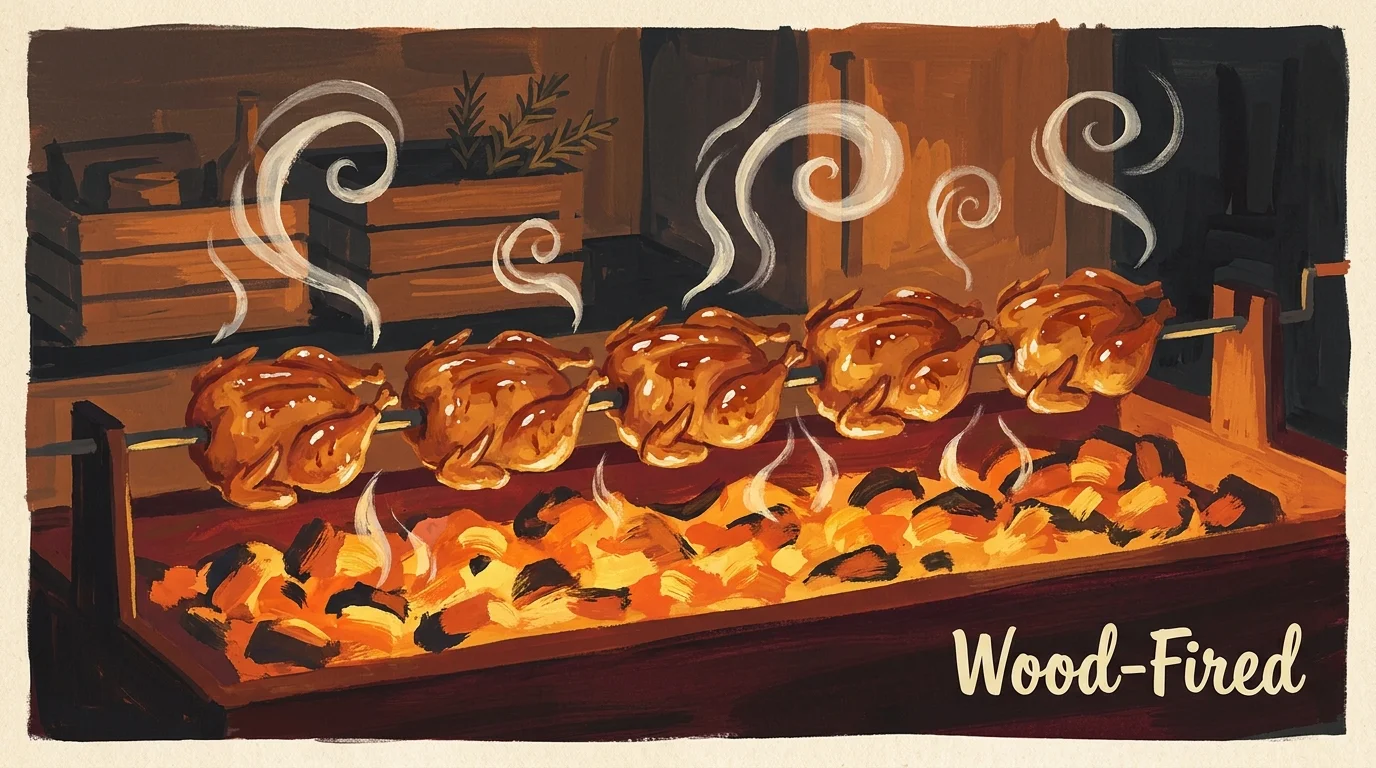
Country music superstar Kenny Rogers teamed up with former Kentucky Fried Chicken CEO John Y. Brown Jr. in 1991 to launch a new kind of chicken chain. Promising food with less fat and less salt, Kenny Rogers Roasters focused on wood-fired rotisserie chicken accompanied by homestyle sides like macaroni and cheese, corn muffins, and baked apples.
The chain expanded rapidly to over 350 locations and cemented its place in 1990s pop culture when it was prominently featured in a hilarious 1996 episode of Seinfeld. Despite the celebrity backing, the company struggled with aggressive competition from Boston Market and filed for bankruptcy in 1998. The final U.S. location, situated in a California mall, closed in 2011. Surprisingly, the brand was purchased by the Berjaya Corporation and remains a massive success across Asia today.
9. Beefsteak Charlie’s: Unlimited Shrimp and Drinks
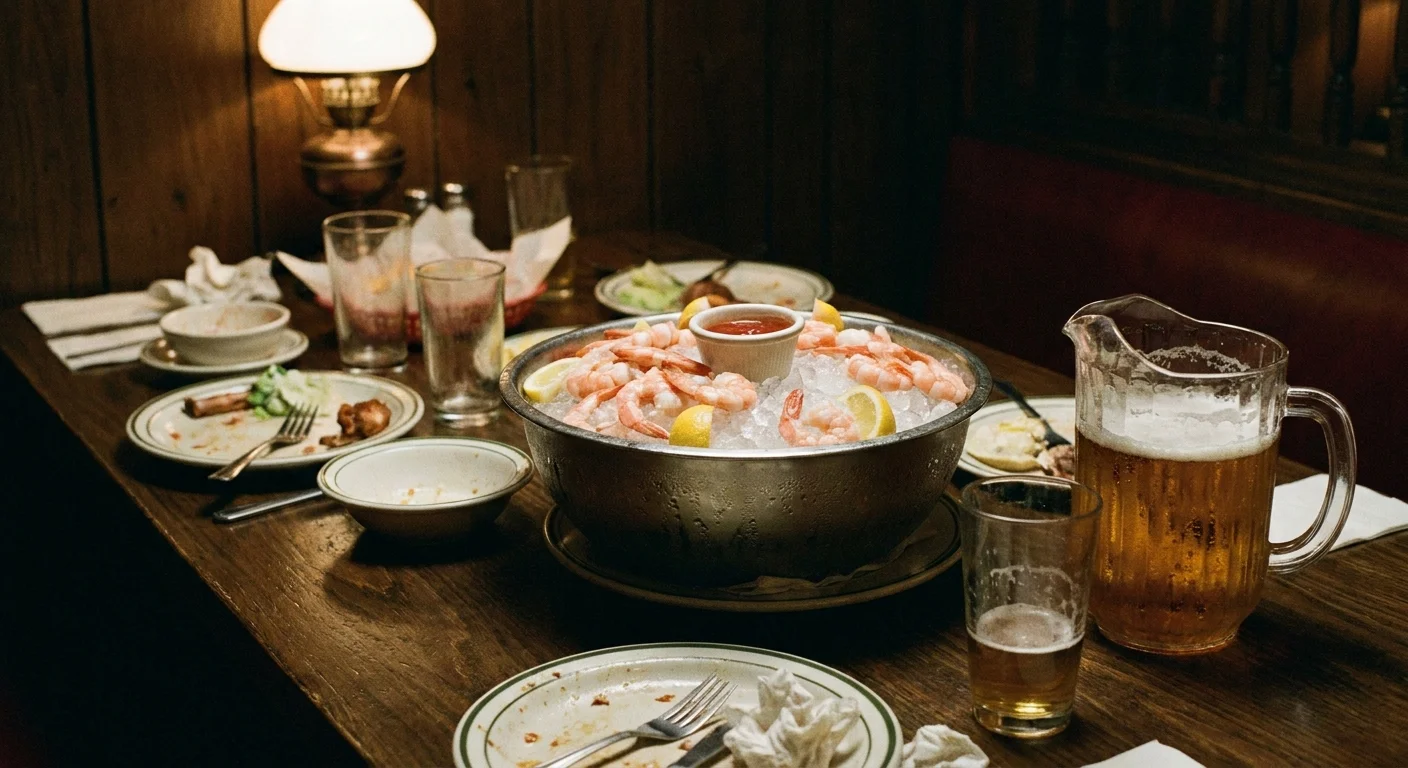
If you lived on the East Coast in the late 1970s or early 1980s, Beefsteak Charlie’s was the ultimate destination for a heavy appetite. The chain operated under a simple but incredibly generous premise: “I’ll feed you like there’s no tomorrow.” Diners who ordered a steak or prime rib gained access to a seemingly endless salad bar famously stocked with giant bowls of pre-peeled shrimp.
If the unlimited shrimp wasn’t enough to bring in the crowds, Beefsteak Charlie’s also included bottomless beer, wine, or sangria with the price of your entree. Unsurprisingly, giving away that much alcohol and seafood slashed the company’s profit margins. By the time the chain reached 70 locations, it was bleeding money. A corporate buyout in 1987 failed to right the ship, and the remaining restaurants went bankrupt and vanished by the early 1990s.
10. Arthur Treacher’s Fish & Chips: A Taste of Britain
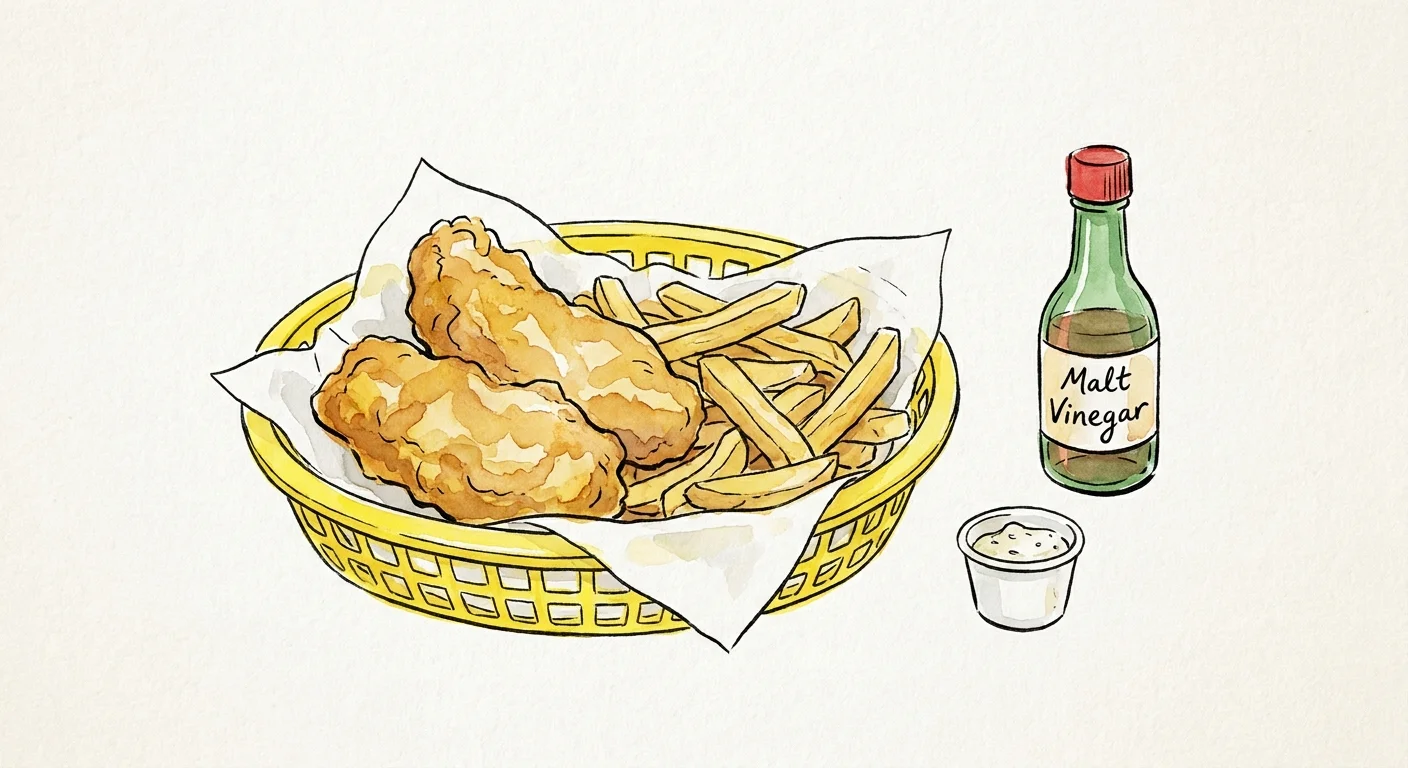
Long before Dave Thomas founded Wendy’s, he helped launch Arthur Treacher’s Fish & Chips in Columbus, Ohio, in 1969. The founders purchased a genuine 1860s recipe from Malin’s of London to guarantee authentic British flavor. Named after English character actor Arthur Treacher, the chain served up crispy battered cod, thick-cut fries (chips), and irresistible hush puppies.
The brand exploded in popularity, peaking at over 800 restaurants nationwide by the end of the 1970s. However, the chain soon fell victim to soaring global cod prices—sparked by international fishing disputes—and ugly legal battles between the corporate office and disgruntled franchise owners. Fast forward to today, and fewer than five standalone Arthur Treacher’s restaurants exist, all clinging to life in northeastern Ohio thanks to a dedicated local following.
At a Glance: Status of 5 Iconic Casual Dining Chains
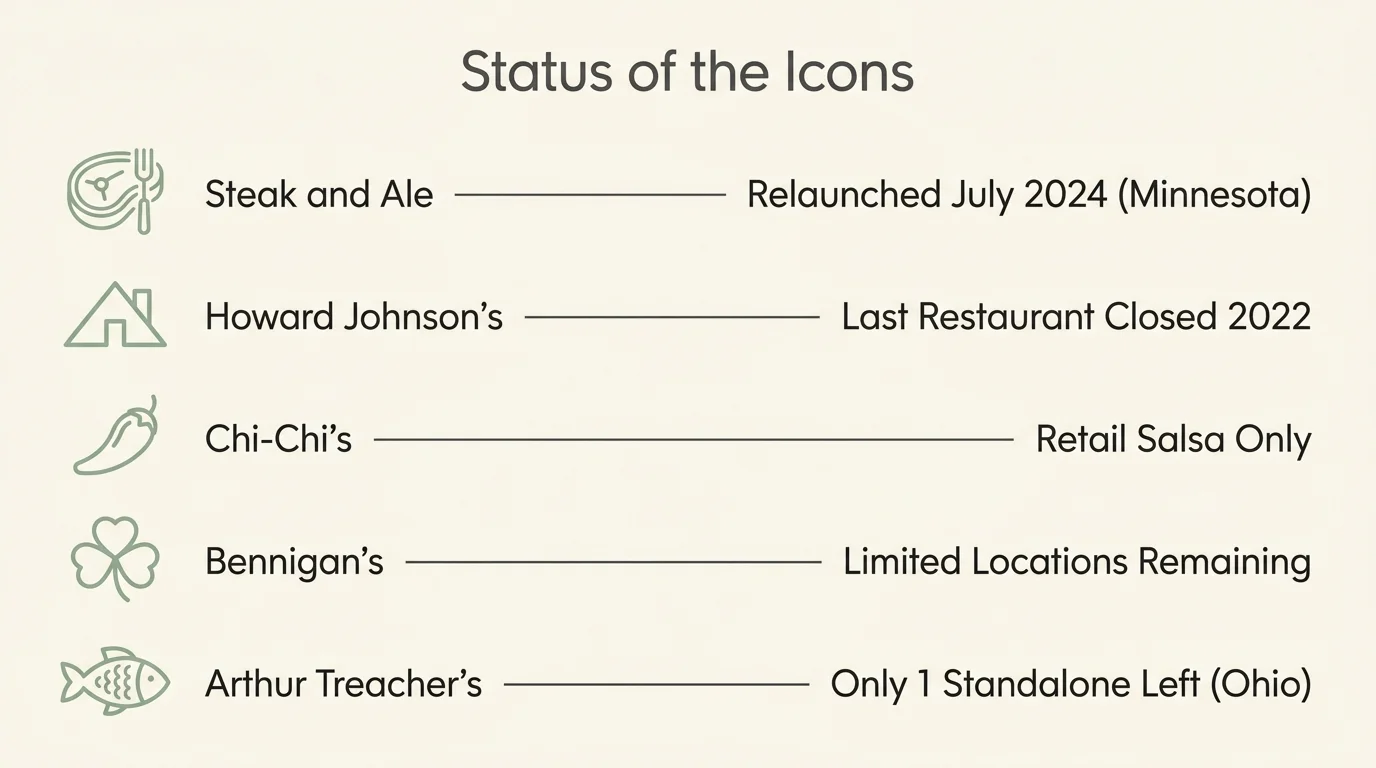
If you are wondering exactly where your favorite retro haunts ended up, this quick reference table breaks down their rise and fall.
| Restaurant | Peak Era | Claim to Fame | Current Status |
|---|---|---|---|
| Howard Johnson’s | 1960s-1970s | 28 flavors of ice cream and clam strips | Defunct in the U.S. (Last closed in 2022) |
| Steak and Ale | 1970s-1980s | The self-serve salad bar and prime rib | Reviving as of 2024 under new management |
| Burger Chef | 1970s | Pioneering the first kids’ meal (Funmeal) | Defunct in the U.S. (Last closed in 1996) |
| Kenny Rogers Roasters | 1990s | Wood-fired rotisserie chicken | Defunct in the U.S., but highly popular in Asia |
| Arthur Treacher’s | 1970s | Authentic British fish and chips | Fewer than 5 standalone U.S. locations open |
The Bigger Picture: Why So Many Retro Chains Disappeared
It is easy to look back at these restaurants through rose-colored glasses, but their widespread disappearance was driven by harsh economic realities. In the 1970s and 1980s, the casual dining market was rapidly expanding, and chains aggressively borrowed money to build massive, themed dining rooms. Over-expansion led to thousands of locations fighting for the exact same middle-class demographic.
As the new millennium approached, dining habits underwent a massive shift. Families began favoring the speed and affordability of fast-casual chains like Panera Bread and Chipotle, which offered higher-quality ingredients without the lengthy sit-down wait times. Simultaneously, massive economic downturns—specifically the 2008 financial crisis—decimated the profit margins of legacy chains carrying millions in real estate debt.
Nostalgia is a powerful seasoning. We don’t just miss the food—we miss the era, the prices, and the feeling of gathering around a table before smartphones commanded our attention.
When corporate entities filed for Chapter 7 liquidations, the massive physical footprints of these restaurants were often bulldozed or quickly converted into local sports bars, leaving only memories behind.
Frequently Asked Questions
Are there any Howard Johnson’s restaurants still open?
No. The final standalone Howard Johnson’s restaurant, located in Lake George, New York, closed its doors in 2022. While the Wyndham Hotel Group still operates Howard Johnson hotels, the original diner concept is entirely defunct.
Why did Chi-Chi’s close down?
Chi-Chi’s struggled with increased market competition in the early 2000s and filed for bankruptcy. Shortly after, a severe Hepatitis A outbreak linked to green onions served at a Pennsylvania location devastated the brand’s reputation, prompting them to close their remaining North American restaurants by 2004.
Is Steak and Ale coming back?
Yes. After closing entirely in 2008, the brand was purchased by Legendary Restaurant Brands. The new ownership successfully opened a revitalized Steak and Ale in Burnsville, Minnesota, in July 2024, featuring classic menu items like the Kensington Club steak and the beloved salad bar.
The memories we made in these iconic booths remain just as rich as the meals themselves. While you may not be able to order a Funmeal or dine inside a vintage train car anymore, the legacy of these restaurants forever shaped the modern American dining experience. If you are lucky enough to live near one of the rare surviving locations like a midwestern Arthur Treacher’s or the newly revived Steak and Ale, go grab a table and enjoy a genuine taste of the past.
The information here is meant for educational purposes. Specific circumstances—including health conditions, finances, location, and goals—may require different approaches. When in doubt, consult a licensed professional or check official sources directly.
Last updated: May 2026. Rules, prices, and details change—verify current information with official sources before acting on it.