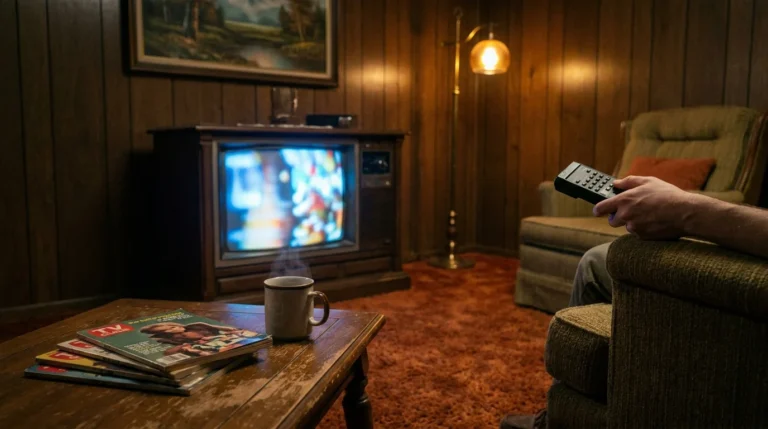
If you grew up in the 1960s or 1970s, your childhood pantry was likely stocked with treats that seem entirely foreign to today’s snack aisles. These were the golden days of space-age marketing, vibrant packaging, and culinary experiments that turned ordinary after-school snacking into an adventure. From drinks that bubbled like a chemistry set to chocolate bars modeled after measuring tapes, the era was filled with unique flavors and textures that defined a generation. While modern grocery store shelves are packed with more choices than ever, many Baby Boomers still find themselves longing for the specific, nostalgic taste of these iconic discontinued treats. Let’s take a look at ten legendary snacks you probably wish you could still buy today.
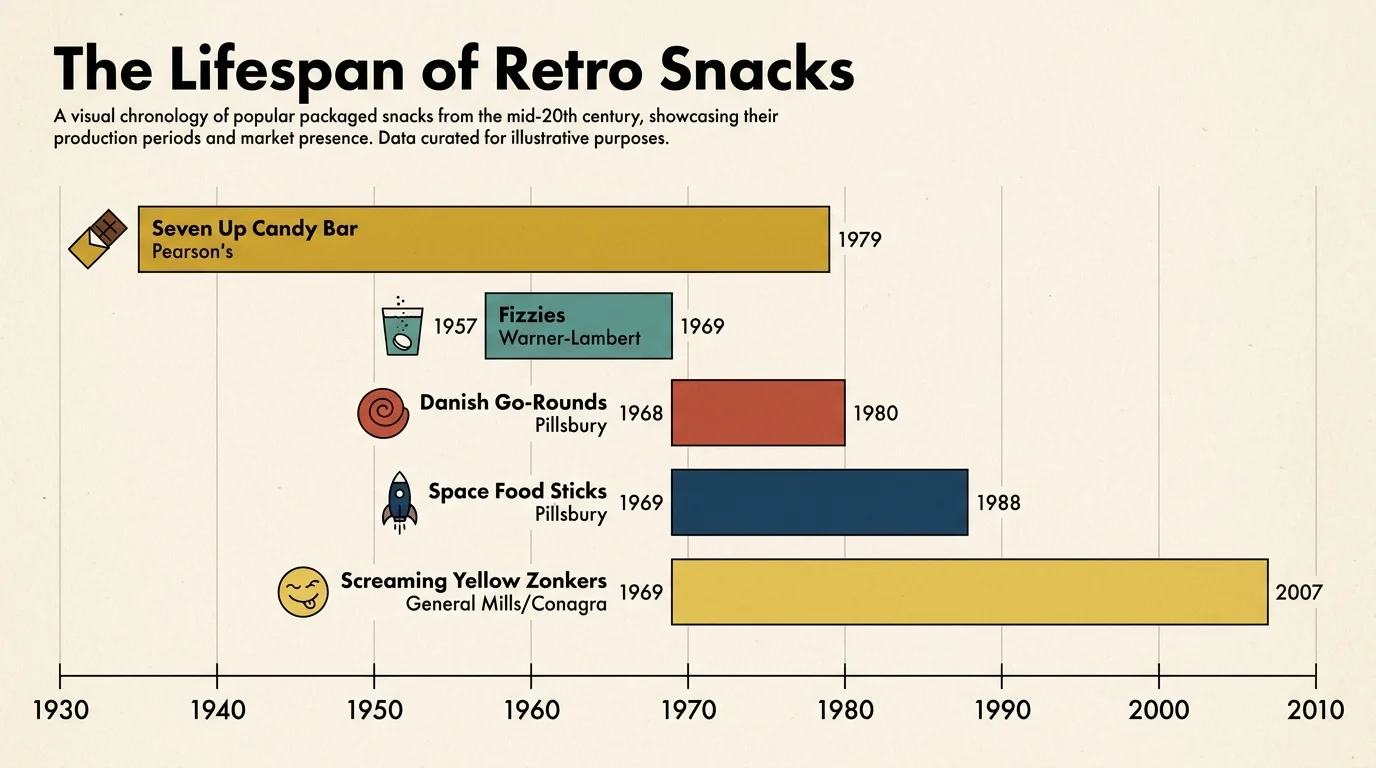
At a Glance: The Lifespan of Our Favorite Retro Snacks
| Snack | Original Manufacturer | Year Introduced | Discontinued (Approx.) |
|---|---|---|---|
| Fizzies Drink Tablets | Emerson Drug Company | 1957 | 1969 (Original formula) |
| Funny Face Drink Mix | Pillsbury | 1964 | 1980s |
| Danish Go-Rounds | Kellogg’s | 1968 | 1980 |
| Snack Pack (Aluminum Cans) | Hunt’s | 1968 | 1984 (Switched to plastic) |
| Space Food Sticks | Pillsbury | 1969 | 1980s |
| Jell-O 1-2-3 | Kraft Foods | 1969 | 1996 |
| Screaming Yellow Zonkers | Lincoln Snacks | 1969 | 2007 |
| Marathon Bar | Mars | 1973 | 1981 |
| Seven Up Candy Bar | Pearson Candy Company | 1930s | 1979 |
| Mister Salty Pretzels | Nabisco | 1960s | 1990s |
1. Space Food Sticks
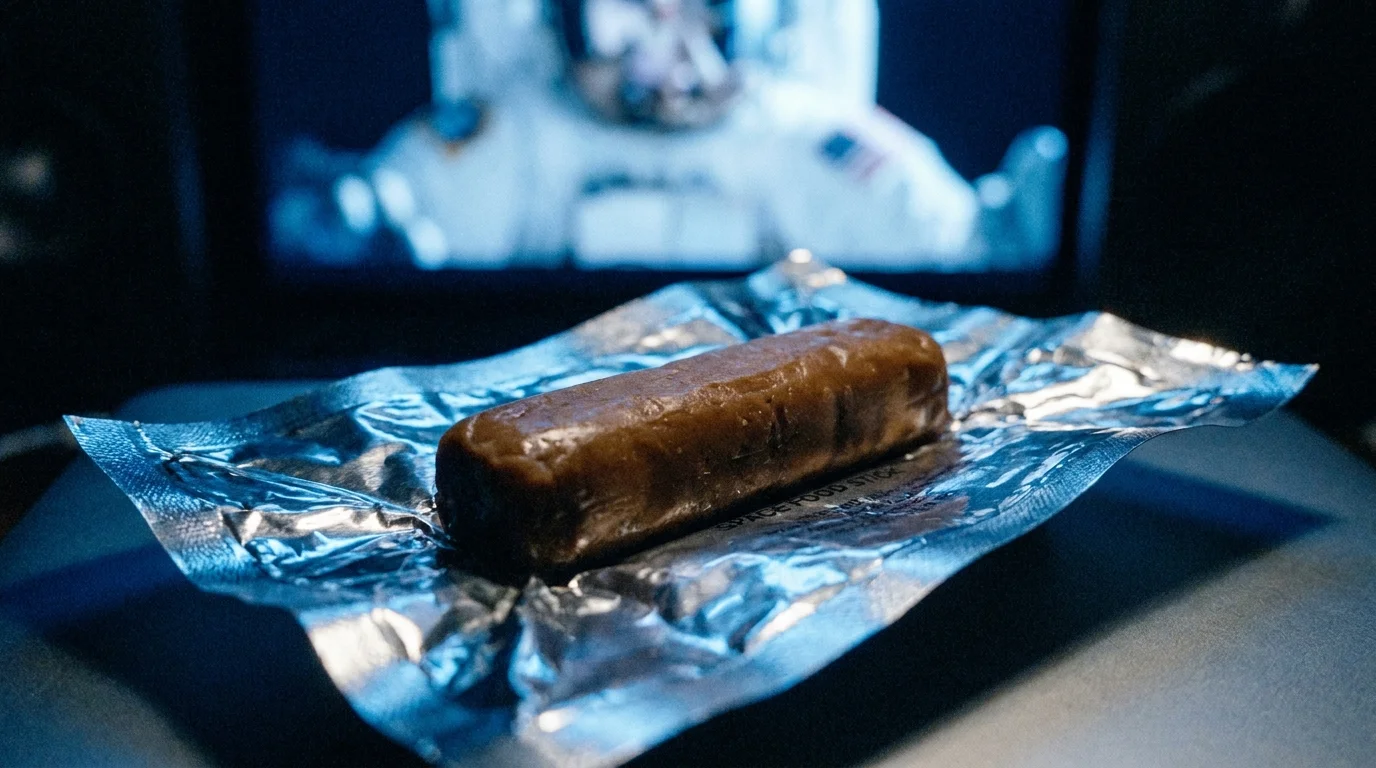
During the height of the Space Race, Pillsbury tapped into the national obsession with astronauts by introducing Space Food Sticks in 1969. Developed by food scientist Howard Bauman, these rod-shaped snacks were initially designed to easily slide through an airtight port in an astronaut’s helmet. They were marketed to the public as a nutritionally balanced energy snack, effectively making them one of the earliest precursors to the modern energy bar.
Wrapped in foil packaging to give them a high-tech feel, Space Food Sticks came in familiar flavors like chocolate, peanut butter, and caramel. They actually made it to space aboard the Skylab 3 mission in 1973. However, as public interest in the space program waned in the 1970s, Pillsbury quietly dropped the word “Space” from the name, eventually discontinuing the snack in the 1980s.
2. Jell-O 1-2-3
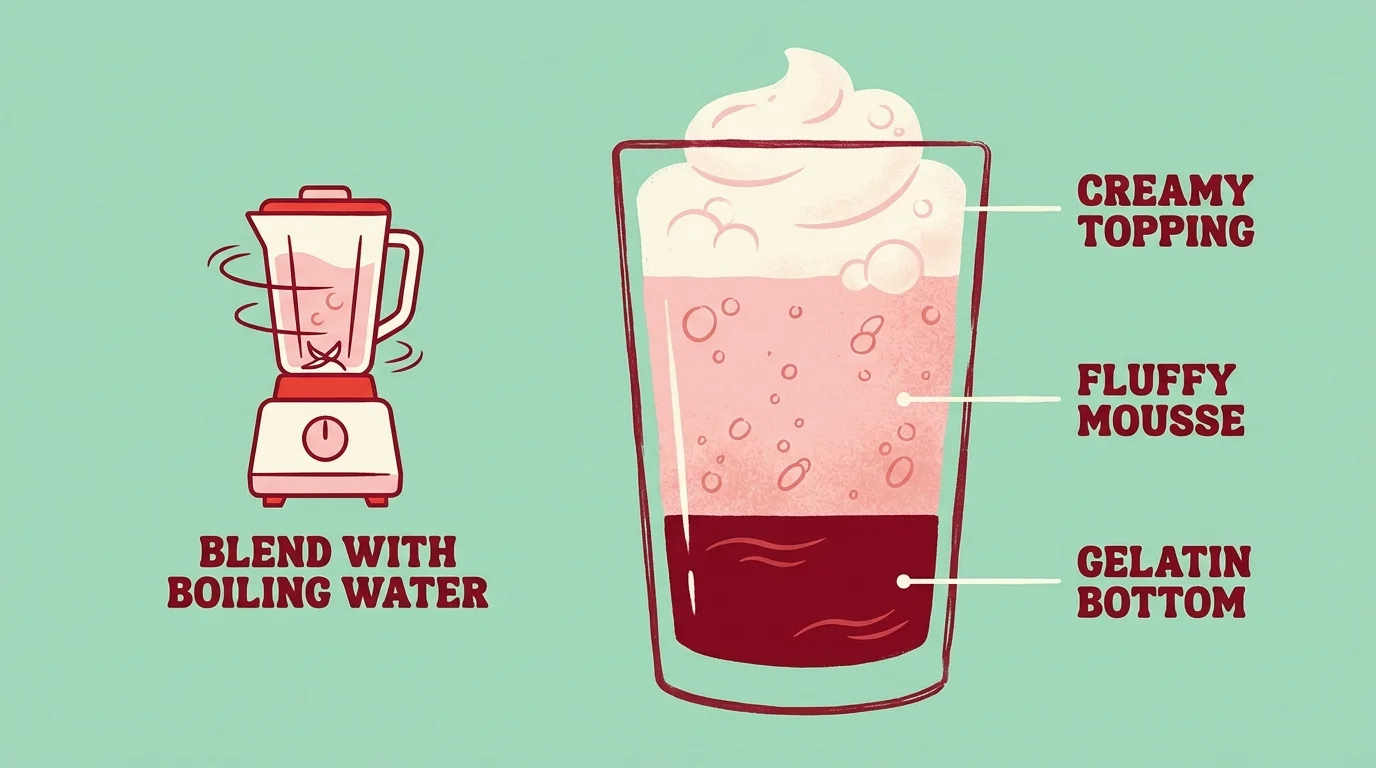
Making dessert felt like an impressive science experiment when Jell-O 1-2-3 hit store shelves in 1969. Packaged as a single powdered mix, this dessert relied on a specific blending technique. You blended the powder with boiling water at varying speeds, then poured it into a glass. As it chilled in the refrigerator, it magically separated into three distinct layers: a creamy topping, a fluffy mousse-like middle, and a traditional gelatin bottom.
While the visual presentation was a hit at dinner parties, the complex preparation process—which required a blender and three hours of setting time—eventually proved too fussy for the average consumer. Sales began to dwindle in the 1980s, and Kraft finally pulled the plug on Jell-O 1-2-3 in 1996.
3. Marathon Bar
Mars debuted the Marathon Bar in 1973 with a brilliant marketing angle: the candy bar you couldn’t eat quickly. It was an eight-inch braided lattice of chewy caramel generously coated in milk chocolate. The bright red wrapper famously featured printed ruler marks on the back to prove its impressive size to skeptical kids.
Eating a Marathon Bar was an undeniable commitment. The braided structure and dense caramel required serious jaw strength, but the flavor combination was a major hit. Despite its popularity, the candy bar struggled to generate the high revenue Mars expected. In 1981, after an eight-year run, the Marathon Bar was permanently discontinued.
4. Kellogg’s Danish Go-Rounds
Pop-Tarts were already a massive success when Kellogg’s introduced Danish Go-Rounds in 1968 as a slightly more refined, adult-friendly alternative. Rather than a flat rectangle, these toaster pastries were shaped in a spiral to mimic the look of a traditional bakery Danish. They featured a flaky crust filled with fruit jam—such as apple, strawberry, and brown sugar cinnamon—topped with a crumbly icing.
Unfortunately, their unique spiral shape was also their downfall. The delicate pastry was prone to breaking inside the foil wrapper, leading to a frustrating experience for consumers who opened the package only to find a box of crumbled dough. Kellogg’s attempted to fix the issue by transitioning the product into a sturdier circular “Danish Ring,” but the concept ultimately failed to catch on. The entire line disappeared from store shelves by 1980.
5. Hunt’s Snack Pack (in the Aluminum Can)
Today, Hunt’s Snack Pack pudding is sold safely in clear plastic cups. But if you were a child in the 1970s, you remember the distinct thrill of the original single-serve aluminum cans. Introduced in 1968, these metal tins required a pull-tab to open, which left behind an infamously sharp metal edge.
Scraping every last drop of chocolate or butterscotch pudding from the bottom of the can was a delicate operation that required caution to avoid a sliced tongue or finger. Recognizing that combining children, pudding, and sharp metal edges was not the best long-term strategy, Hunt’s transitioned the Snack Pack into safer plastic cups in 1984, ending an era of high-stakes snacking.
6. Funny Face Drink Mix
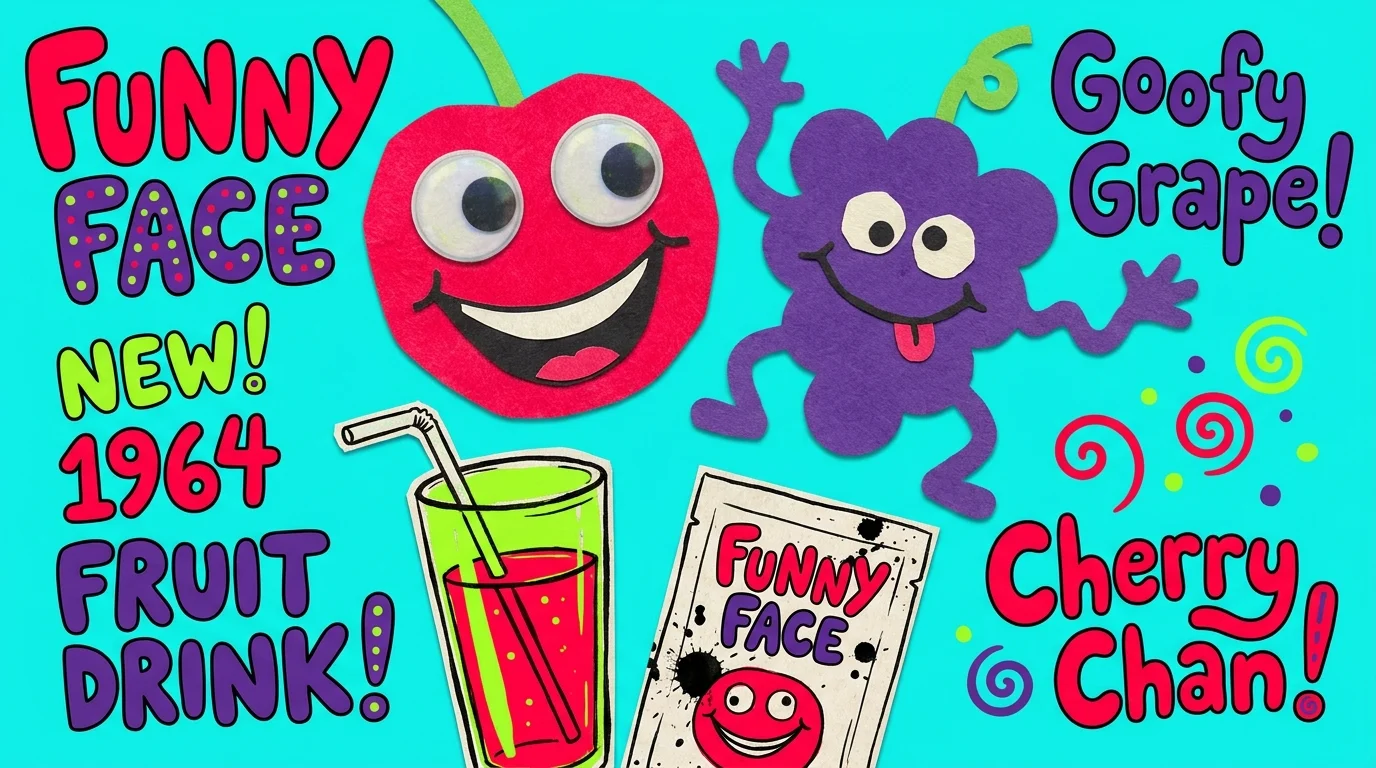
Looking to challenge Kool-Aid’s dominance in the powdered drink market, Pillsbury introduced Funny Face drink mix in 1964. The brand stood out by featuring exaggerated, goofy cartoon characters for each flavor, such as Goofy Grape and Rootin’-Tootin’ Raspberry. Furthermore, Funny Face was pre-sweetened with calcium cyclamate, meaning parents didn’t have to measure out cups of their own sugar.
The product’s success hit a massive roadblock when the FDA banned cyclamates in the United States. Pillsbury scrambled to reformulate the drink using saccharin, but consumers complained about the new chemical aftertaste. The brand eventually lost its competitive edge and was sold to Brady Enterprises, slowly vanishing from grocery stores by the 1980s.
7. Fizzies Drink Tablets
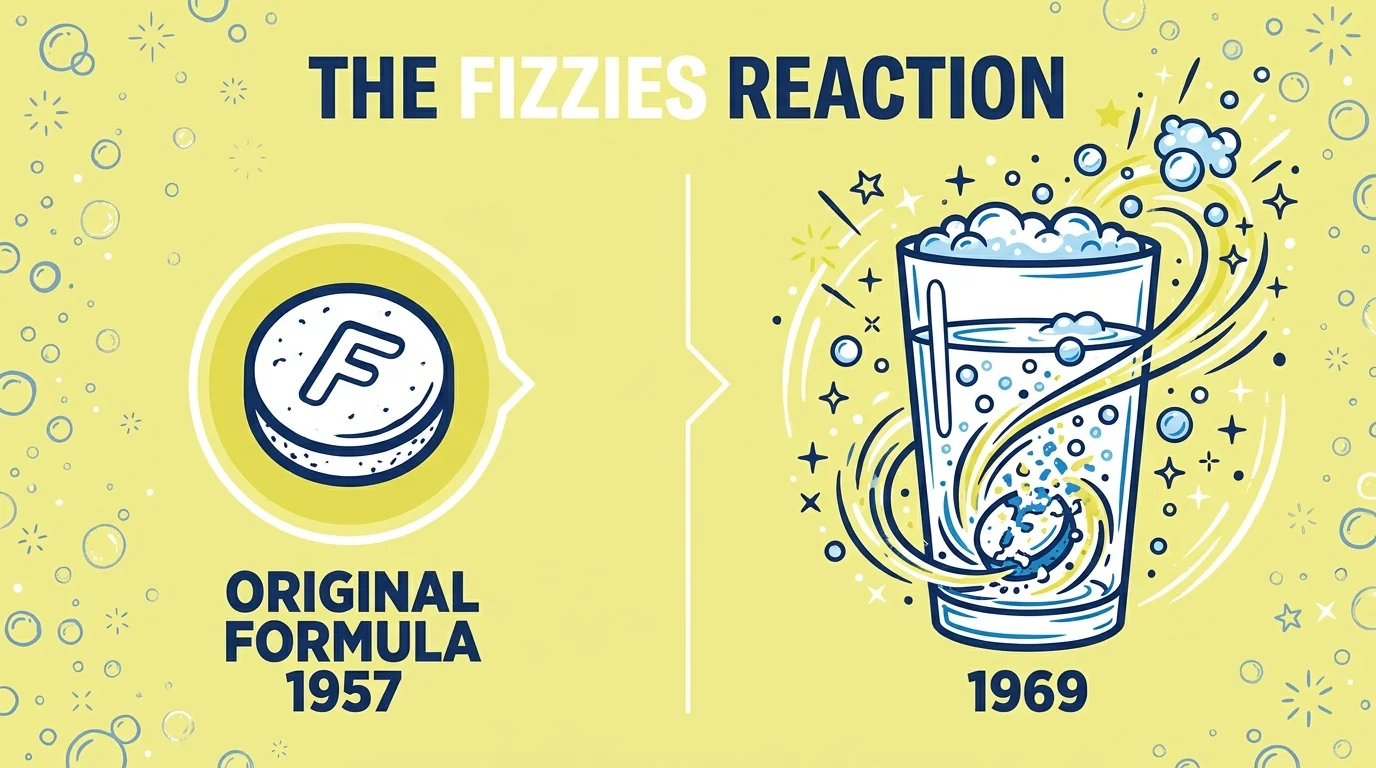
Invented by the Emerson Drug Company in 1957, Fizzies allowed kids to drop a tablet into a glass of water to create instant, effervescent fruit soda. Using a chemical reaction similar to Alka-Seltzer, the tablets rapidly released carbon dioxide bubbles. They were a massive novelty hit, and by the late 1960s, Fizzies were briefly outselling Kool-Aid.
However, like Funny Face, Fizzies relied entirely on calcium cyclamate for their intense sweetness. When the FDA enacted its strict ban on cyclamates in 1969, the original Fizzies were abruptly pulled from the market. While later attempts were made to revive the brand using aspartame in the 1990s, the magical appeal of the original 1960s tablets could never quite be recaptured.
8. Mister Salty Pretzels
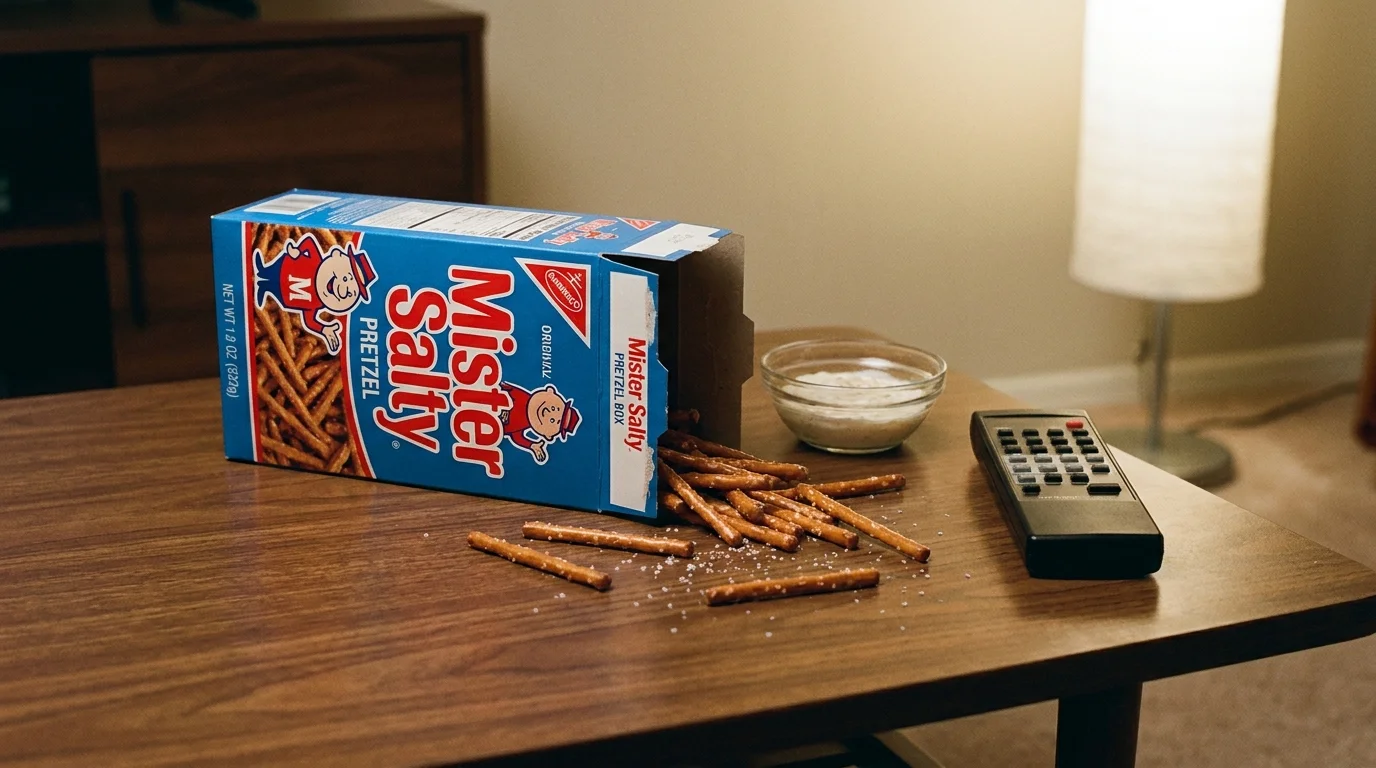
Nabisco’s Mister Salty Pretzels were an absolute staple in pantries during the 1970s and 1980s. Sold in a familiar blue box featuring a cheerful sailor mascot made out of a pretzel, the brand offered ultra-thin sticks and traditional twists. What set Mister Salty apart from competitors was exactly what the name implied: an aggressive, highly satisfying coating of coarse salt.
Despite their popularity among kids who loved the extra crunch and heavy salt ratio, Nabisco failed to hit necessary sales targets as the snack market grew more crowded. The standalone boxes of Mister Salty Pretzels were discontinued in the 1990s. The name briefly survived on Nabisco’s cheese-and-pretzel Handi-Snacks, but the classic blue box remains a distant memory.
9. Seven Up Candy Bar
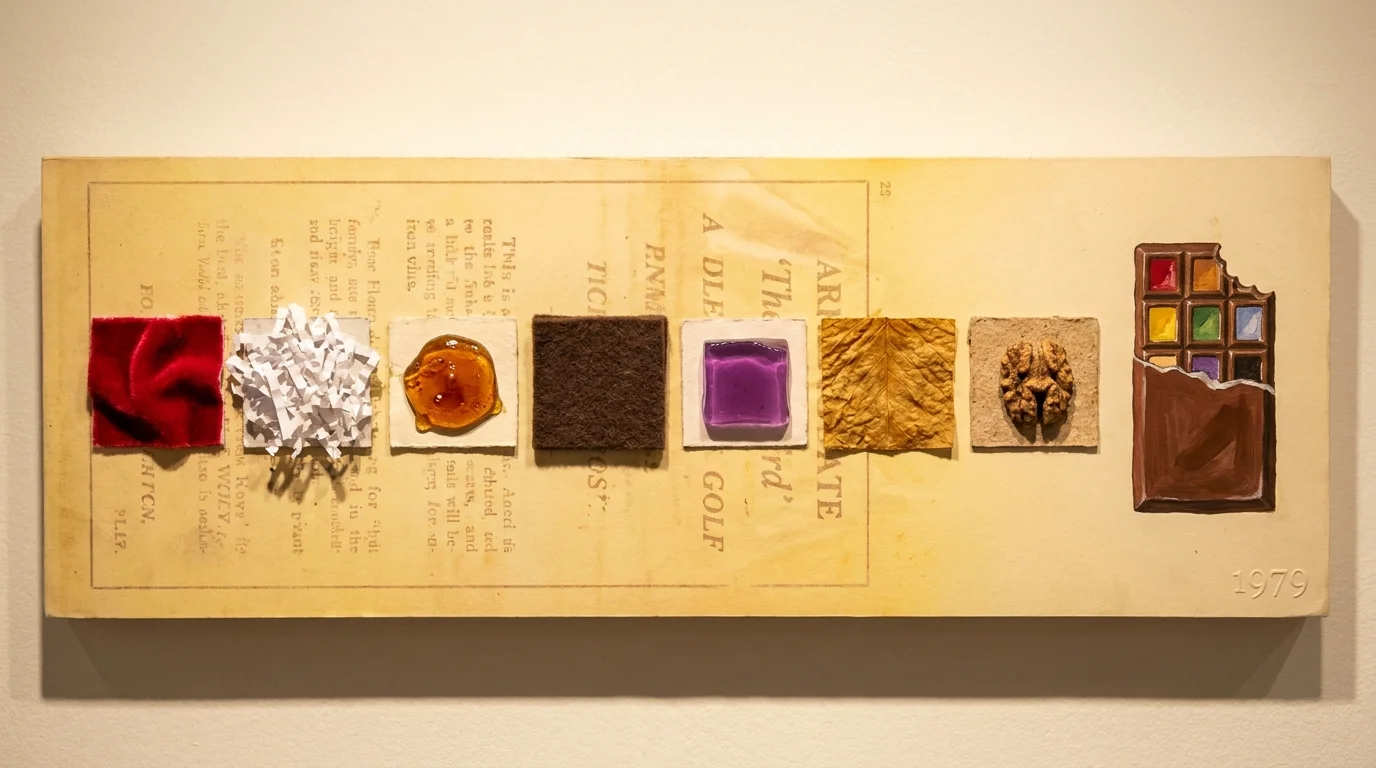
Decades before gourmet chocolates became mainstream, the Pearson Candy Company created the Seven Up Candy Bar in the 1930s. Not to be confused with the lemon-lime soda, this chocolate bar featured seven connected squares—often referred to as “pillows”—each containing a completely different filling. Depending on the specific production run, a single bar might feature centers of cherry cream, butterscotch, fudge, coconut, Brazil nut caramel, and orange jelly.
Eating the bar was an adventure, as you never entirely knew what flavor you would get in your next bite. Unfortunately, the complex manufacturing process required to inject seven different fillings into a single candy bar caused production costs to skyrocket. Combined with ongoing trademark disputes with the 7 Up soda company, the bar was finally retired in 1979.
10. Screaming Yellow Zonkers
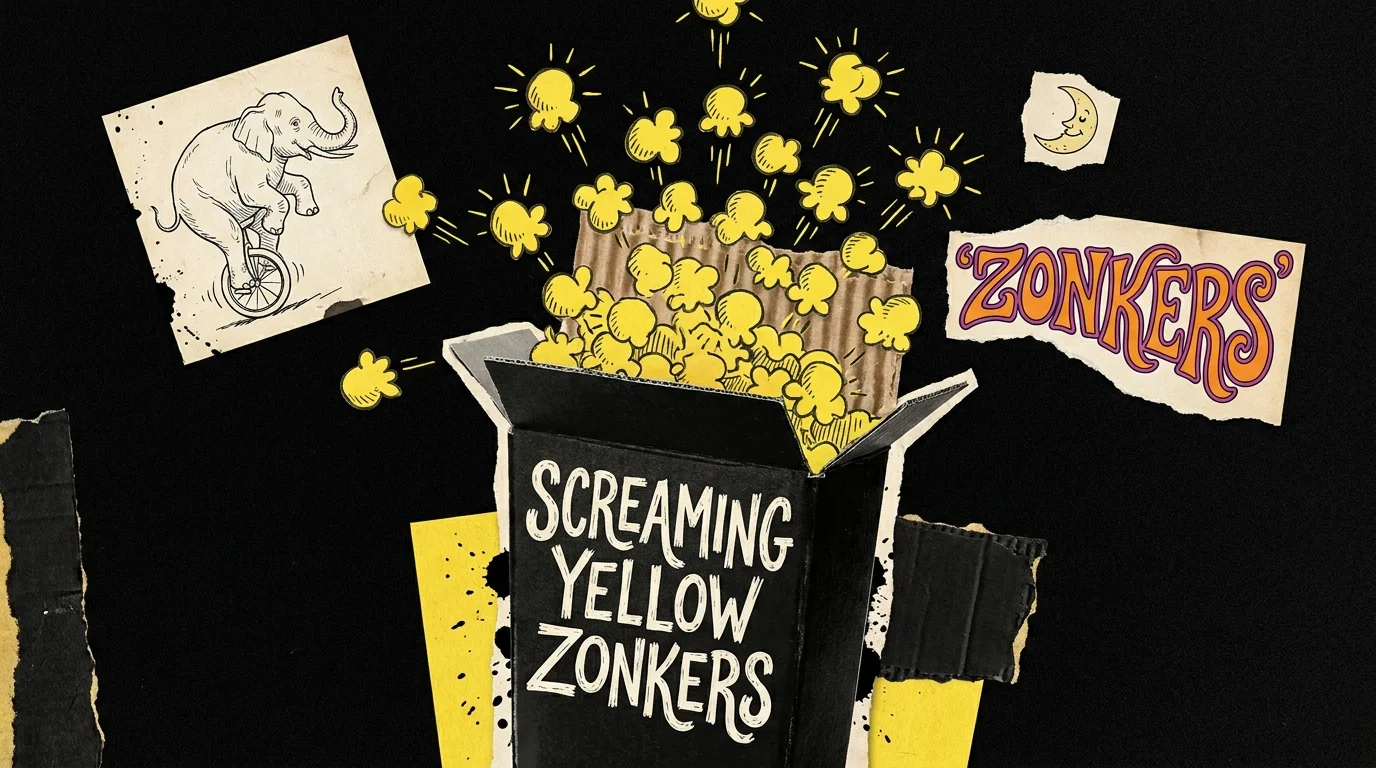
When Screaming Yellow Zonkers debuted in 1969, they immediately stood out on grocery shelves thanks to a stark black box covered in surreal, absurd illustrations. Produced by Lincoln Snacks, this nut-free popcorn was coated in a bright yellow, buttery sugar glaze.
Beyond the taste, Boomers loved Zonkers for the packaging itself. The box provided humorous reading material while you snacked, offering ridiculous instructions on how to wash or mate your Zonkers. It even included a helpful guide on the bottom of the box noting that if the popcorn fell up, you were holding it upside down. The brand developed a devoted cult following but was ultimately discontinued in 2007 when Conagra acquired Lincoln Snacks.
The Bigger Picture
When we look back at the snacks that defined our childhoods, it is easy to wonder why companies would stop making products that were so universally beloved. However, the demise of these retro treats usually came down to three specific factors:
- Changing Health Regulations: The U.S. Food and Drug Administration’s abrupt ban on cyclamates in 1969 sent shockwaves through the food industry. Brands like Fizzies and Funny Face lost their core sweetener overnight, and their hastily reformulated replacements rarely tasted as good to consumers.
- Manufacturing Complexity: Unique structural designs often cost too much to maintain. The delicate spiral shape of Danish Go-Rounds resulted in too much broken product, while the seven distinct fillings of the Seven Up Candy Bar simply became too expensive to mass-produce.
- Safety Innovations: Sometimes, products disappeared simply because packaging technology improved. The infamous aluminum pudding cans from Hunt’s were swapped out for plastic, saving consumers from sharp metal edges but inadvertently taking away a small piece of 1970s nostalgia.
Frequently Asked Questions
What was the candy bar with the ruler on the back?
The Marathon Bar, produced by Mars from 1973 to 1981, featured ruler markings on the back of its bright red wrapper to highlight its impressive eight-inch length.
Did Space Food Sticks actually go to space?
Yes. While they were heavily marketed to consumers during the Apollo missions, a modified version of Pillsbury’s Space Food Sticks did travel to space aboard the Skylab 3 mission in 1973.
Why did they stop making Jell-O 1-2-3?
Despite its magical three-layer separation, Jell-O 1-2-3 required blending at multiple speeds and three hours of chilling time. Consumer preference shifted toward more convenient, ready-to-eat snacks in the 1980s, leading Kraft to discontinue it in 1996.
Whether you miss the jaw-tiring chew of a Marathon Bar or the bubbly thrill of a Fizzies tablet, these treats hold a permanent place in the cultural memory of the Boomer generation. While you might not be able to find them on store shelves anymore, the memories of pulling a blue box of Mister Salty Pretzels out of a metal lunchbox remain as satisfying as ever.
This article provides general information only. Every reader’s situation is different—what works for others may not be the right fit for you. For personalized guidance on health, legal, or financial matters, consult a qualified professional.
Last updated: May 2026. Rules, prices, and details change—verify current information with official sources before acting on it.