If you grew up during the golden age of family dining, you remember the thrill of sliding into a vinyl booth or opening a menu that felt like an old friend. Long before delivery apps took over, eating out was a genuine event. You piled into the station wagon and headed toward familiar neon signs, bright orange roofs, or even buildings shaped like train cars. While the landscape has shifted, the memories of those sights, smells, and signature dishes remain vivid. Though many of these beloved classic eateries eventually shuttered their doors, their impact on vintage food culture is undeniable. Here are eight old-fashioned restaurants that still hold a special place in American dining history.
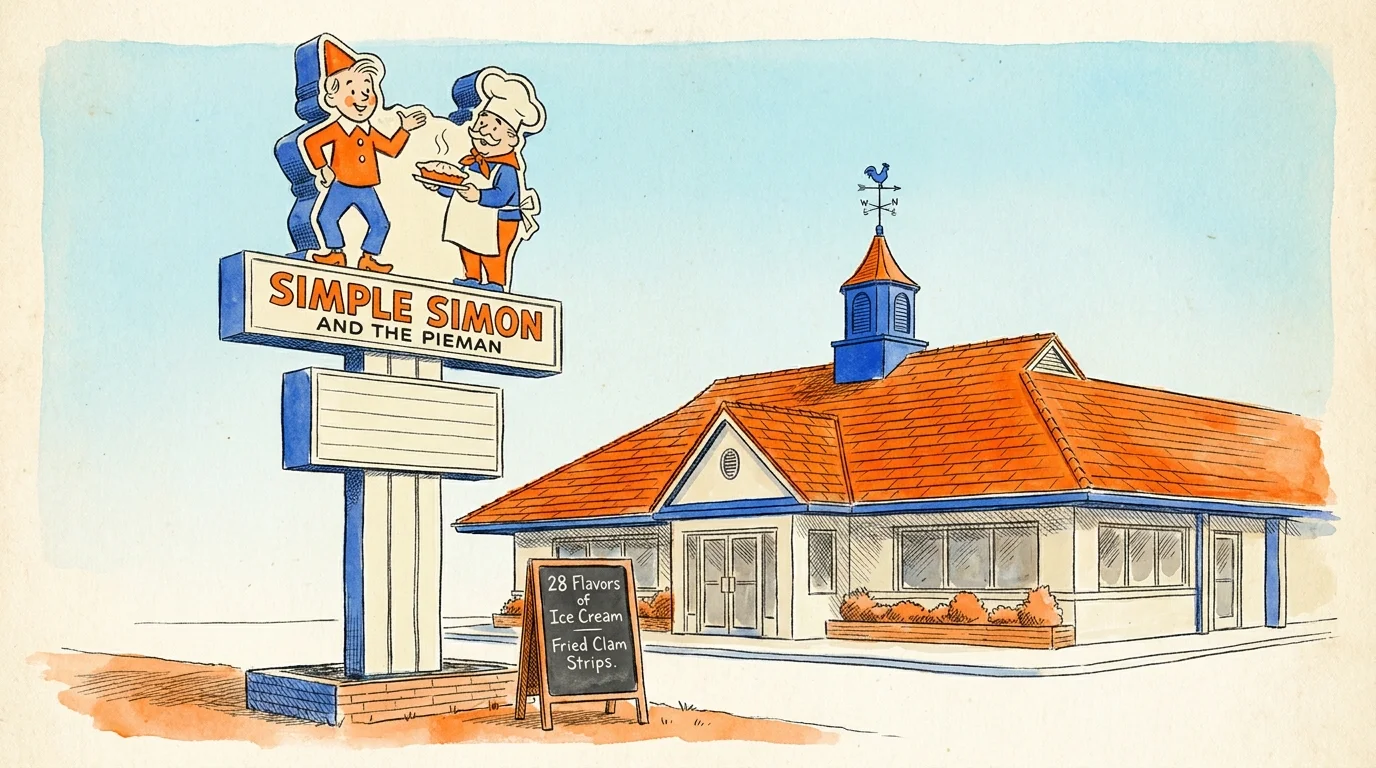
1. Howard Johnson’s: The Iconic Orange Roof
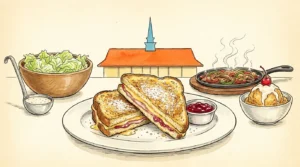
For decades, the bright orange roof and blue cupola of Howard Johnson’s served as a beacon for road-tripping families across the country. Founded in 1925 in Quincy, Massachusetts, the chain expanded alongside the booming American highway system. By the 1970s, Howard Johnson’s dominated the landscape with over 1,000 restaurants and 500 motor lodges.
You always knew what you were going to get when you walked under the Simple Simon and the Pieman sign. The menu offered dependable comfort food, but two items truly defined the brand. First were the tender fried clam strips, an innovation that allowed inland diners to enjoy sweet seafood without the gritty bellies found in whole clams. Second was the staggering ice cream selection. While most parlors offered chocolate, vanilla, and strawberry, Howard Johnson’s famously boasted 28 flavors, encouraging diners to try something adventurous like peppermint stick or burgundy cherry. The rise of modern fast food slowly chipped away at its dominance, and the very last Howard Johnson’s restaurant in Lake George, New York, quietly closed its doors in 2022.
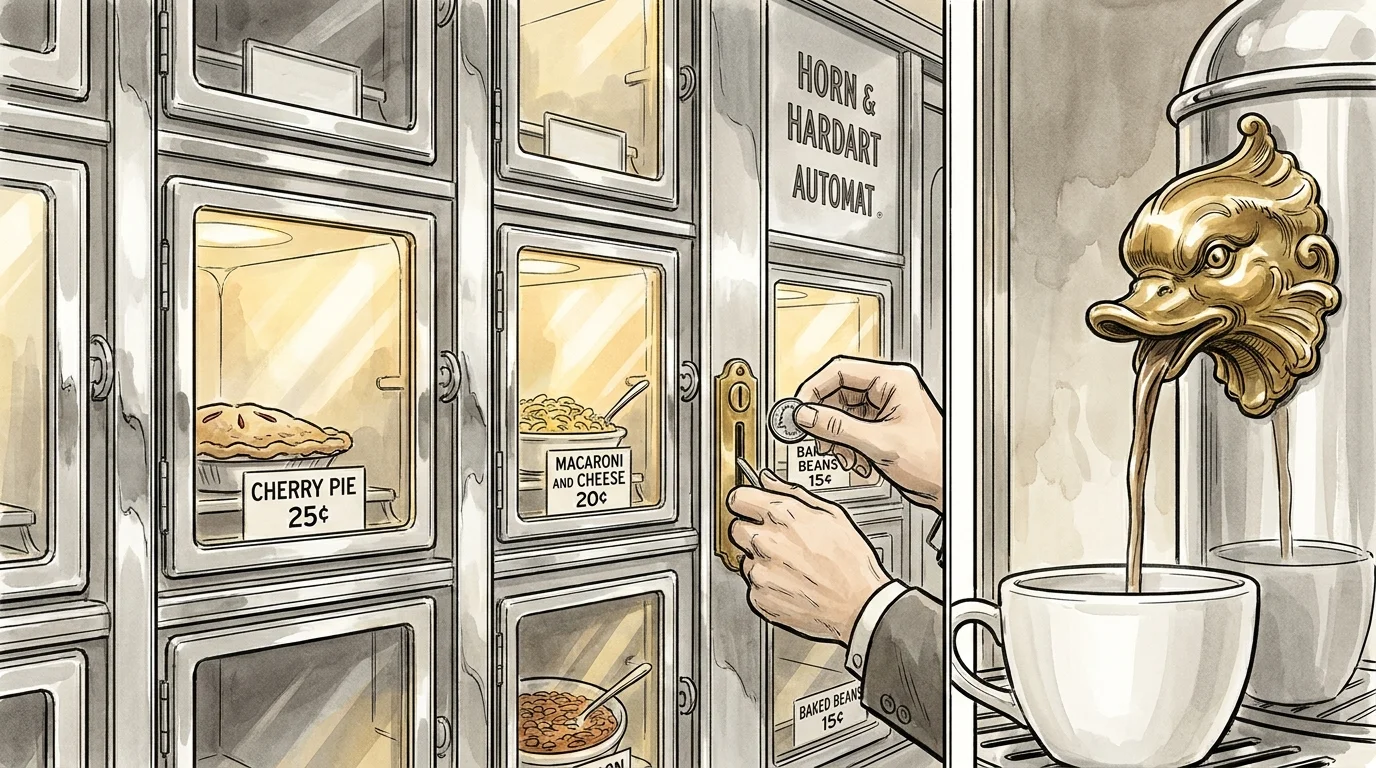
2. Horn & Hardart: The Original Automat
Stepping into a Horn & Hardart Automat felt like stepping into the future. According to the Encyclopedia Britannica, the founders opened their first Automat in Philadelphia in 1902, revolutionizing urban dining. You walked into a massive, echoing hall lined with walls of coin-operated glass-and-chrome windows. You dropped your nickels into the slot, turned the knob, and pulled out a freshly made slice of cherry pie, a crock of baked beans, or creamy macaroni and cheese.
Beyond the food, the Automat offered an unmatched democratic atmosphere. Bankers sat elbow-to-elbow with laborers and actors, all united by their appreciation for quick, affordable meals. The coffee alone drew massive crowds; attendants poured fresh, strong brew from ornate brass dolphin-head spouts. Changing city demographics, inflation that ruined the nickel-pricing model, and the rise of drive-thrus eventually rendered the format obsolete. The final location closed in 1991, though modern coffee enthusiasts have recently launched an official Horn & Hardart online revival to preserve the brand’s legendary coffee.
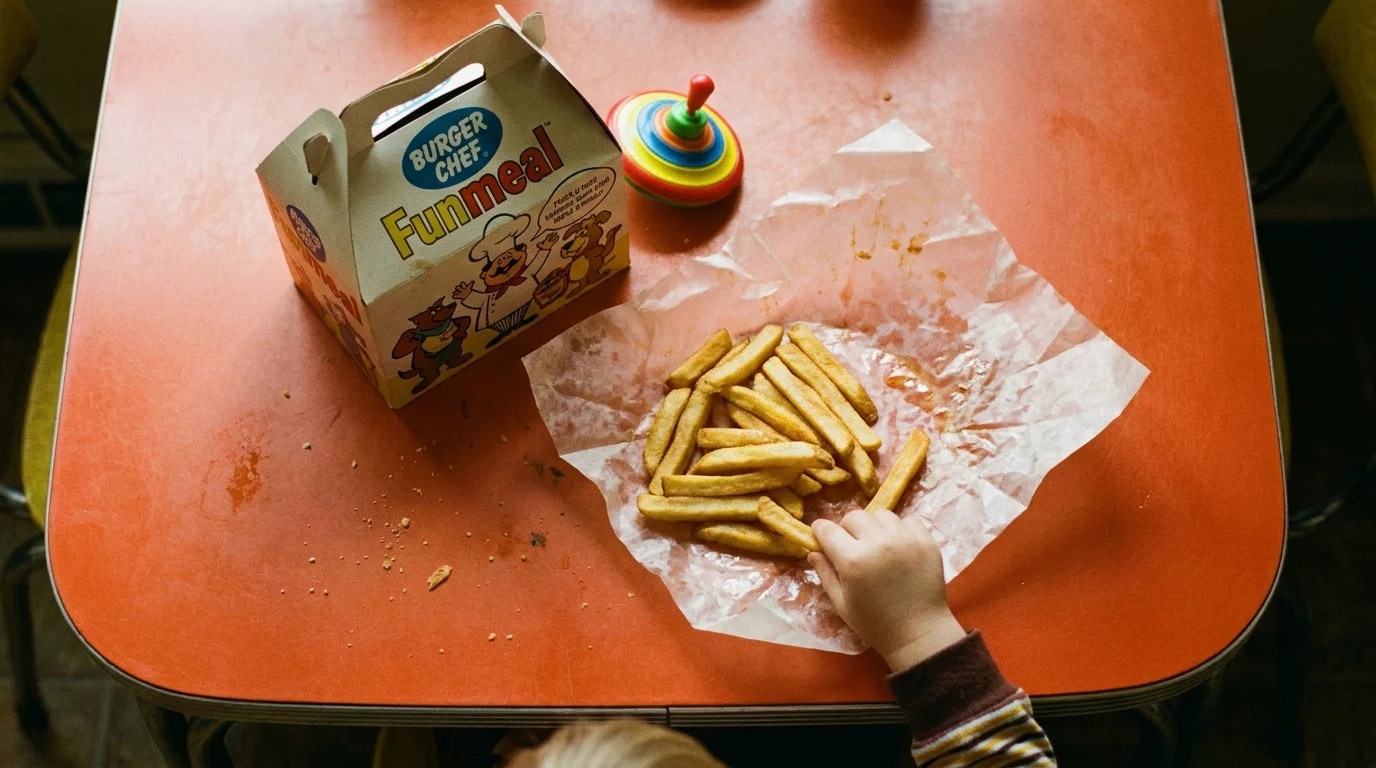
3. Burger Chef: Pioneer of the Kids’ Meal
Burger Chef pushed the boundaries of what a fast-food hamburger stand could be. Founded in Indianapolis in 1954, the chain expanded aggressively throughout the Midwest and beyond, eventually boasting more than 1,000 locations by the early 1970s. For a long stretch, it served as the only serious rival to McDonald’s.
If you have ever built your own burger at a quick-service spot, you have Burger Chef to thank. They pioneered the “Works Bar,” a self-serve condiment station loaded with fresh lettuce, tomatoes, pickles, and onions. You simply ordered a Big Shef or a quarter-pound Super Shef, walked over to the bar, and dressed it exactly how you wanted. Crucially, Burger Chef also captured the hearts of children by inventing the bundled kids’ meal. In 1973—years before the Happy Meal hit the market—the chain introduced the Funmeal. The brightly colored box featured puzzles, a small toy, and the beloved mascots Burger Chef and his sidekick Jeff. Despite its massive cultural footprint, the company struggled with corporate restructuring and was eventually absorbed into Hardee’s.
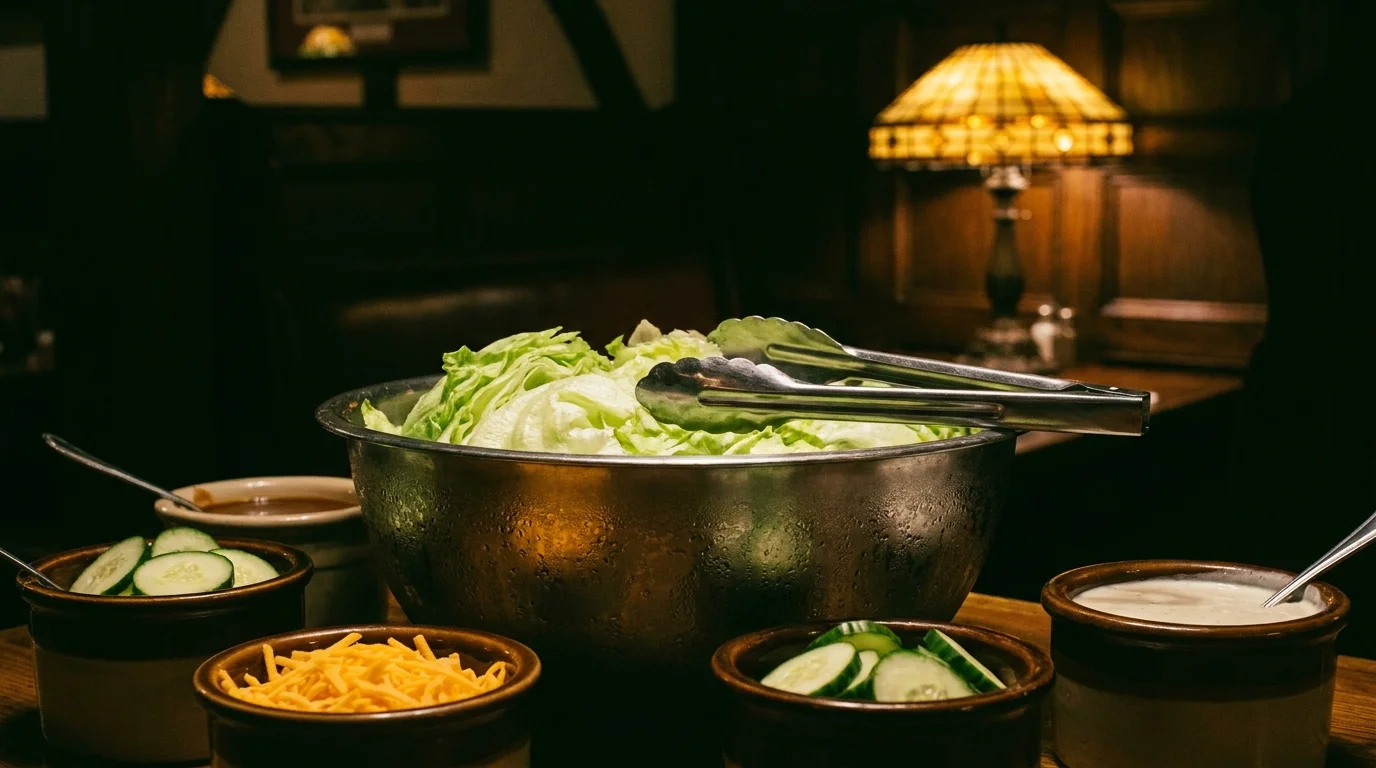
4. Steak and Ale: The Unlimited Salad Bar
Before the 1960s, eating a prime rib dinner usually meant visiting a stiff, expensive, and intimidating high-end steakhouse. Norman Brinker changed all that when he opened the first Steak and Ale in Dallas in 1966. He designed the restaurant to resemble a cozy, Tudor-style English inn, complete with dark wood paneling, dim lighting, and a relaxed atmosphere that middle-class families could actually afford.
Steak and Ale left an indelible mark on casual dining by popularizing the unlimited salad bar. Diners loved the freedom of building their own massive salads while waiting for their Kensington Club marinated steaks or Hawaiian chicken to arrive alongside warm honey wheat bread. The chain filed for bankruptcy and closed its remaining locations in 2008 due to increased competition and an economic downturn. However, nostalgia remains a powerful force. As detailed by the official Steak and Ale revival site, the brand recently made a triumphant comeback, opening a highly anticipated new location in Burnsville, Minnesota, in July 2024.
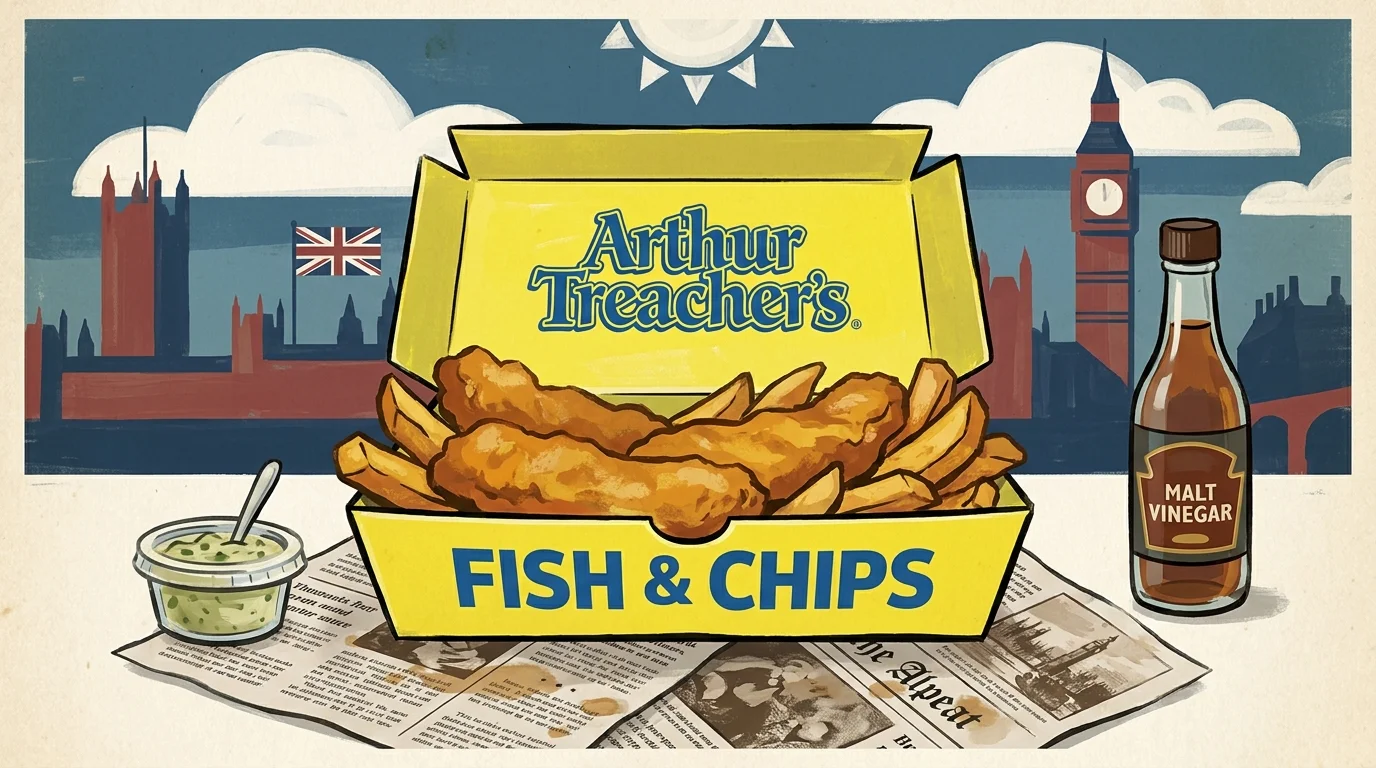
5. Arthur Treacher’s Fish & Chips: A Taste of London
During the late 1960s and 1970s, Arthur Treacher’s Fish & Chips brought a distinct British flavor to the American fast-food landscape. Named after a dignified English character actor, the chain was founded in Columbus, Ohio, in 1969 with the help of Wendy’s founder Dave Thomas. They did not serve burgers or typical American fare; instead, they offered authentic batter-fried cod using a recipe purchased directly from Malin’s, London’s original fish and chips shop.
You could spot an Arthur Treacher’s from a mile away thanks to its distinctive yellow lantern sign. Inside, customers ordered crispy fish, fried chicken, and hush puppies, drowning their thick-cut chips in malt vinegar. At its peak, the franchise operated more than 800 stores. A combination of skyrocketing fish prices—driven by the international “Cod Wars” of the 1970s—and changing dietary trends caused a massive decline. Amazingly, a small handful of standalone locations managed to survive the collapse, and you can still order a classic fish platter in northeastern Ohio today.
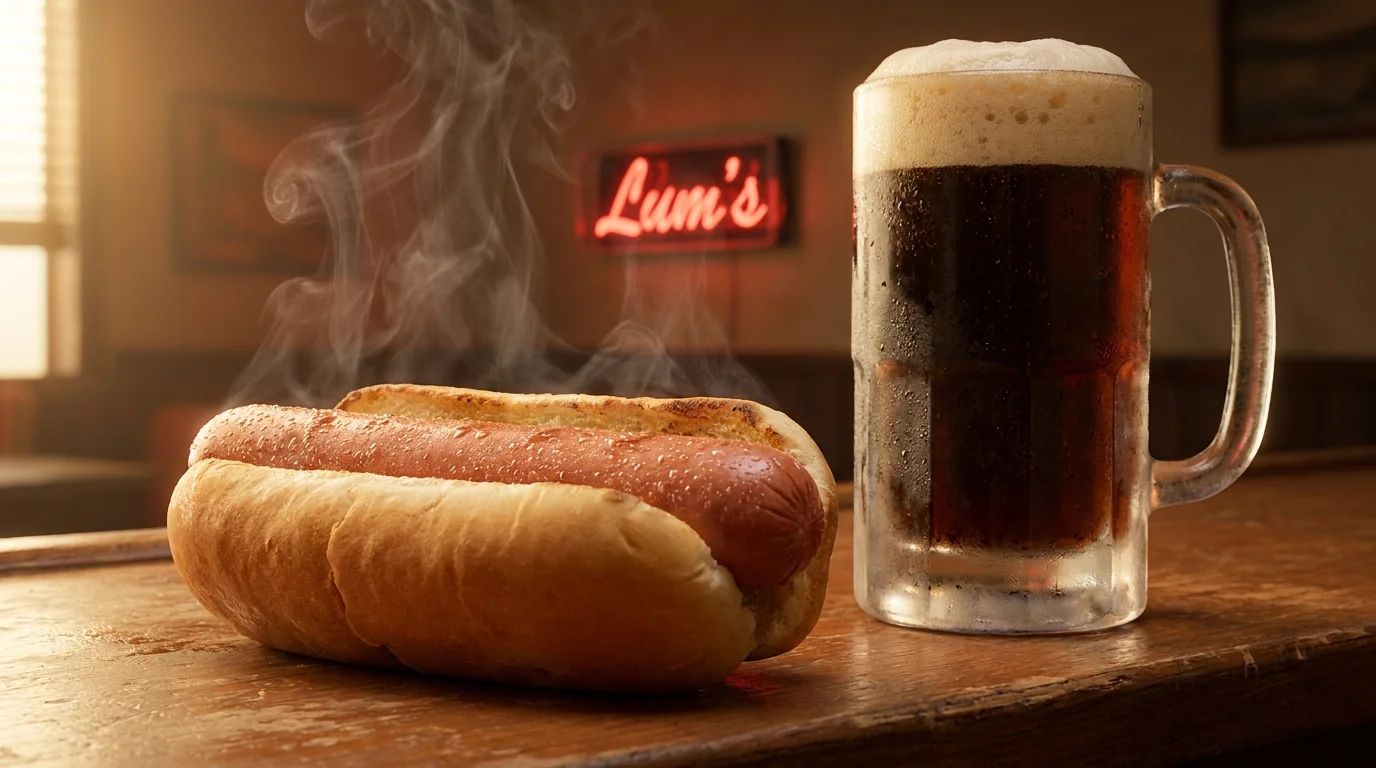
6. Lum’s: Beer-Steamed Hot Dogs and the Ollieburger
Lum’s never quite fit into the standard fast-food mold, and that was exactly why people loved it. The chain started as a humble 16-seat hot dog stand in Miami Beach in 1956. Instead of grilling their hot dogs, the founders steamed them in a fragrant mixture of beer, water, and spices, topping them with sherry-flavored sauerkraut.
The eccentricity did not stop there. In 1971, the company paid a local Miami restaurateur $1 million for the rights to his signature hamburger. They dubbed it the Ollieburger. The patty was generously seasoned with a closely guarded blend of 23 herbs and spices, producing a flavor so robust that the restaurant actively discouraged you from using ketchup or mustard. Lum’s grew to over 400 locations and, bizarrely, even owned Caesars Palace in Las Vegas for a brief period. The company ultimately filed for bankruptcy in 1982. Today, dedicated fans continue to trade reverse-engineered spice recipes online, trying to recreate the magic of the Ollieburger.
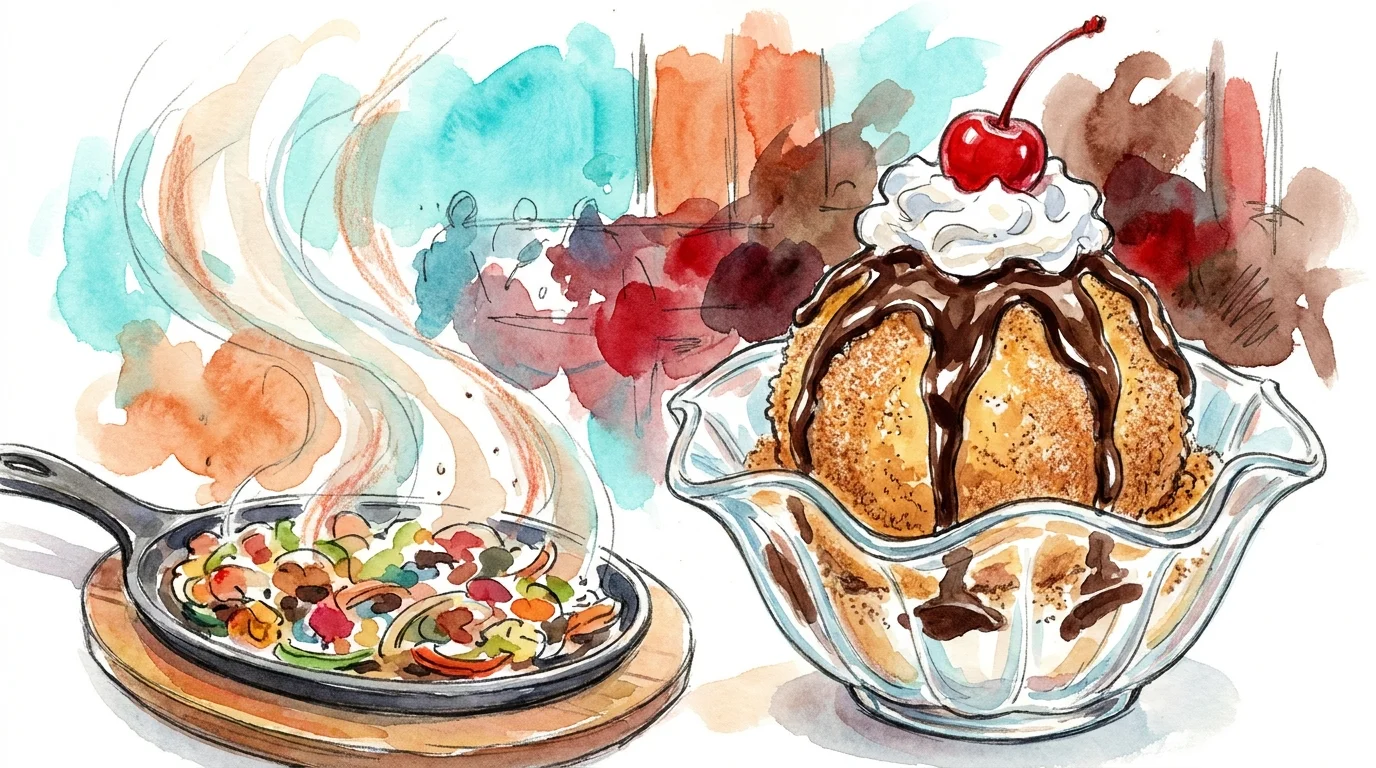
7. Chi-Chi’s: Sizzling Fajitas and Fried Ice Cream
For countless suburban families in the 1980s and 1990s, Chi-Chi’s served as the ultimate introduction to Tex-Mex cuisine. Founded in a Minneapolis suburb in 1975, the brand took the vibrant flavors of the Southwest and translated them into an approachable, festive dining experience.
A night at Chi-Chi’s always felt like a celebration. The moment you sat down, servers dropped off a seemingly bottomless basket of warm tortilla chips and a bowl of mild, highly snackable salsa. The dining room constantly echoed with the hiss of sizzling fajita skillets being paraded to tables. Adults looked forward to giant margaritas, while kids patiently waited for the ultimate finale: fried ice cream. A scoop of French vanilla was coated in cinnamon and crushed cornflakes, flash-fried to create a warm, crispy shell, and served in a flaky flour tortilla bowl. Following a 2003 bankruptcy and a tragic hepatitis outbreak at a Pennsylvania location, the brand vanished from the United States, leaving a massive hole in 90s nostalgia culture.
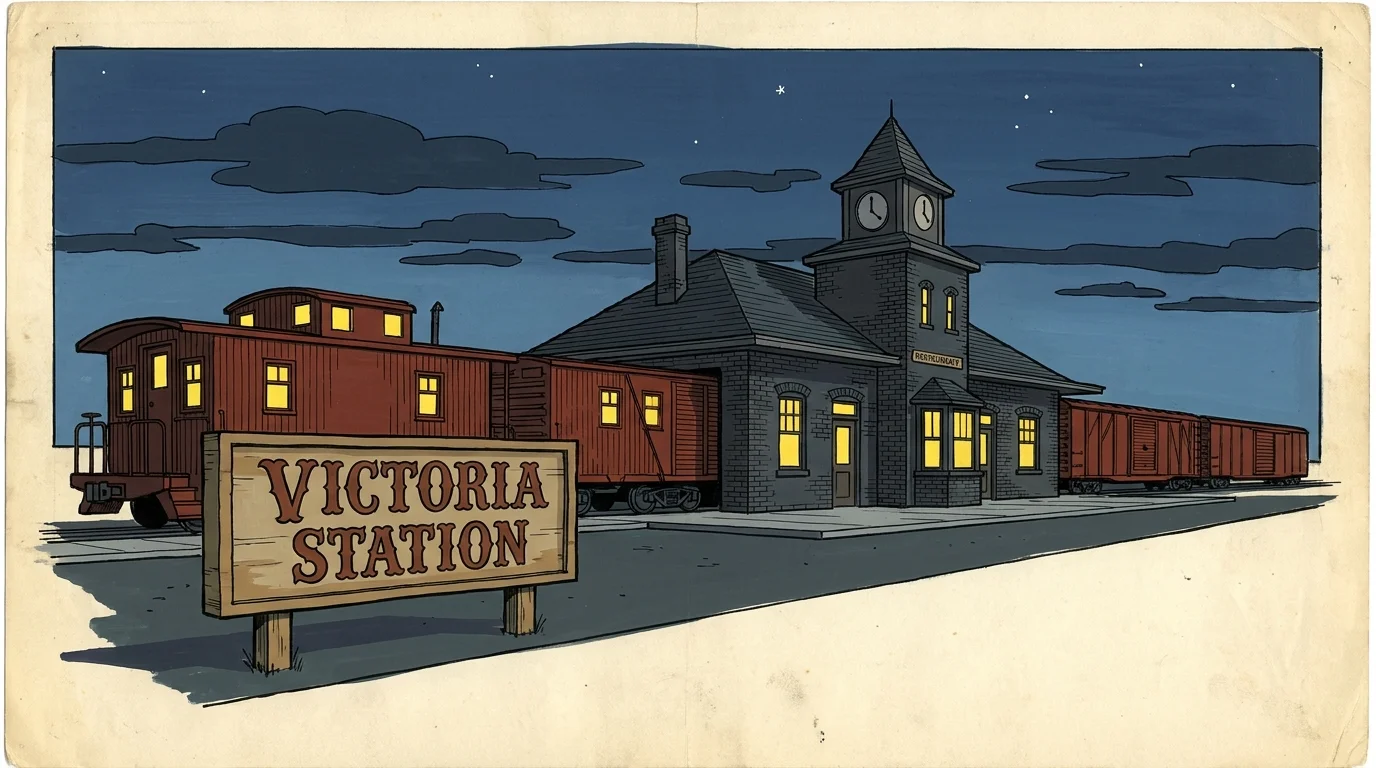
8. Victoria Station: Dining in a Boxcar
Victoria Station represented the peak of the 1970s theme-restaurant craze. Created by three Cornell hospitality graduates, the concept launched in San Francisco in 1969. The founders did not just decorate a standard building to look like a train; they literally constructed the restaurants by attaching decommissioned American railway boxcars and cabooses together around a central lobby.
Diners ate hearty cuts of prime rib inside authentic railway cars decorated with British transit memorabilia. If you wanted a drink, you headed to the caboose. If you wanted a salad, you visited an antique baggage cart loaded with fresh vegetables and dressings. The immersive environment proved wildly popular, and the chain quickly grew to 100 locations. Unfortunately, the company expanded too rapidly and could not survive the economic shifts of the 1980s. The chain filed for bankruptcy in 1986, and the final standalone US location in Salem, Massachusetts, abruptly ended its run in 2017.
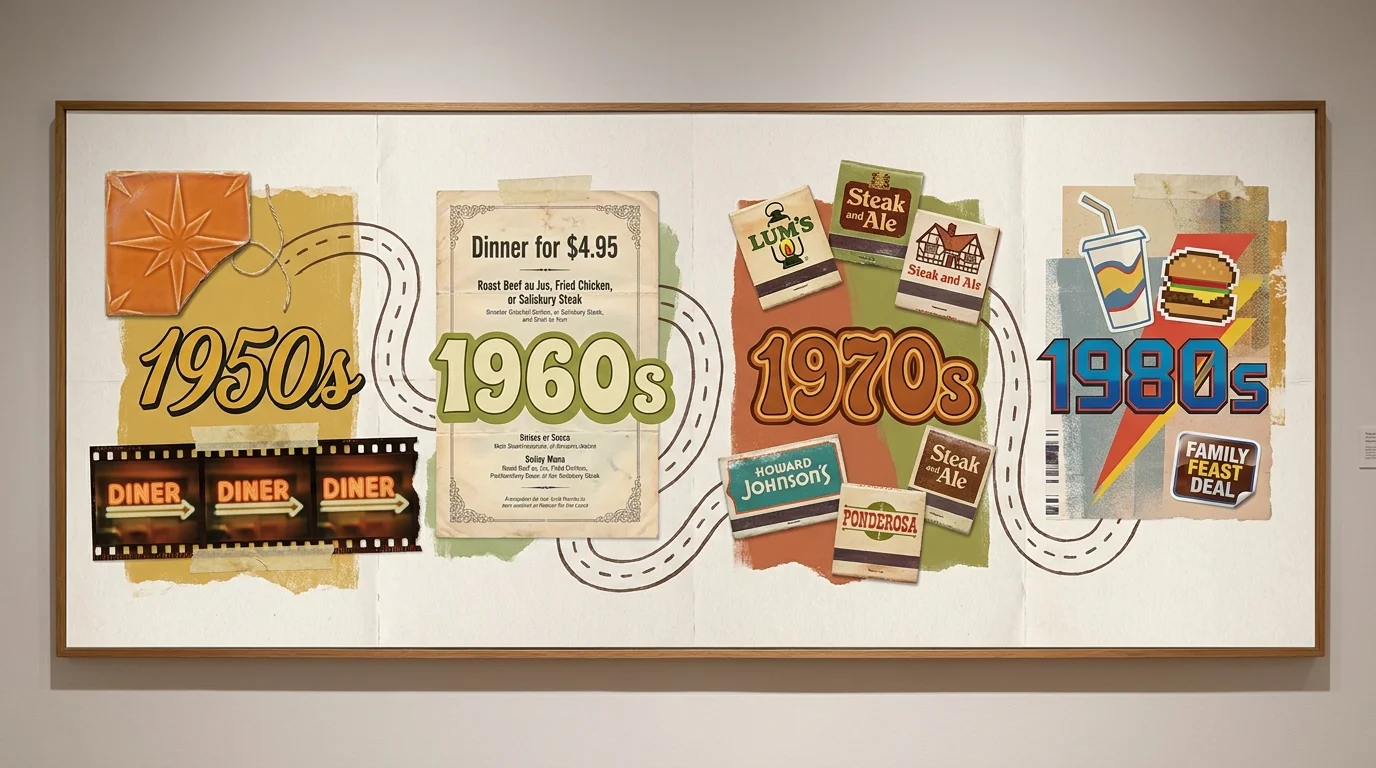
At a Glance: The Prime Eras of Classic Nostalgic Restaurants
| Restaurant | Year Founded | Peak Era | Signature Experience |
|---|---|---|---|
| Howard Johnson’s | 1925 | 1960s–1970s | 28 flavors of ice cream and fried clam strips |
| Horn & Hardart | 1888 (first Automat 1902) | 1930s–1950s | Coin-operated food windows and dolphin-spout coffee |
| Burger Chef | 1954 | 1970s | The Works Bar and the Funmeal kids’ box |
| Steak and Ale | 1966 | 1970s–1980s | Unlimited salad bar and affordable prime rib |
| Arthur Treacher’s | 1969 | Late 1970s | Batter-fried cod with malt vinegar and hush puppies |
| Lum’s | 1956 | 1970s | Beer-steamed hot dogs and the seasoned Ollieburger |
| Chi-Chi’s | 1975 | 1980s–1990s | Sizzling fajitas, bottomless chips, and fried ice cream |
| Victoria Station | 1969 | 1970s | Prime rib dinners served inside decommissioned train boxcars |

Why People Are Talking About This
The restaurant industry has evolved dramatically over the last two decades. Modern dining often prioritizes speed, efficiency, and technology. You frequently order from kiosks, scan QR codes to read menus on your phone, and grab bags from designated pickup shelves. While convenient, this shift has sparked a massive wave of nostalgia for the tactile, hospitality-driven experiences of the past.
The resurgence of interest in old diners and classic eateries is not just about missing the food—it is about missing a specific era of hospitality. We are nostalgic for a time when dining out felt like a deliberate, communal act rather than a transaction.
This desire for vintage food culture is actively driving business today. Entrepreneurs recognize the enduring emotional weight of these brands, which is exactly why chains like Steak and Ale are attempting ambitious modern comebacks. People want to reconnect with the flavors of their youth and share those specific, comforting experiences with a new generation.
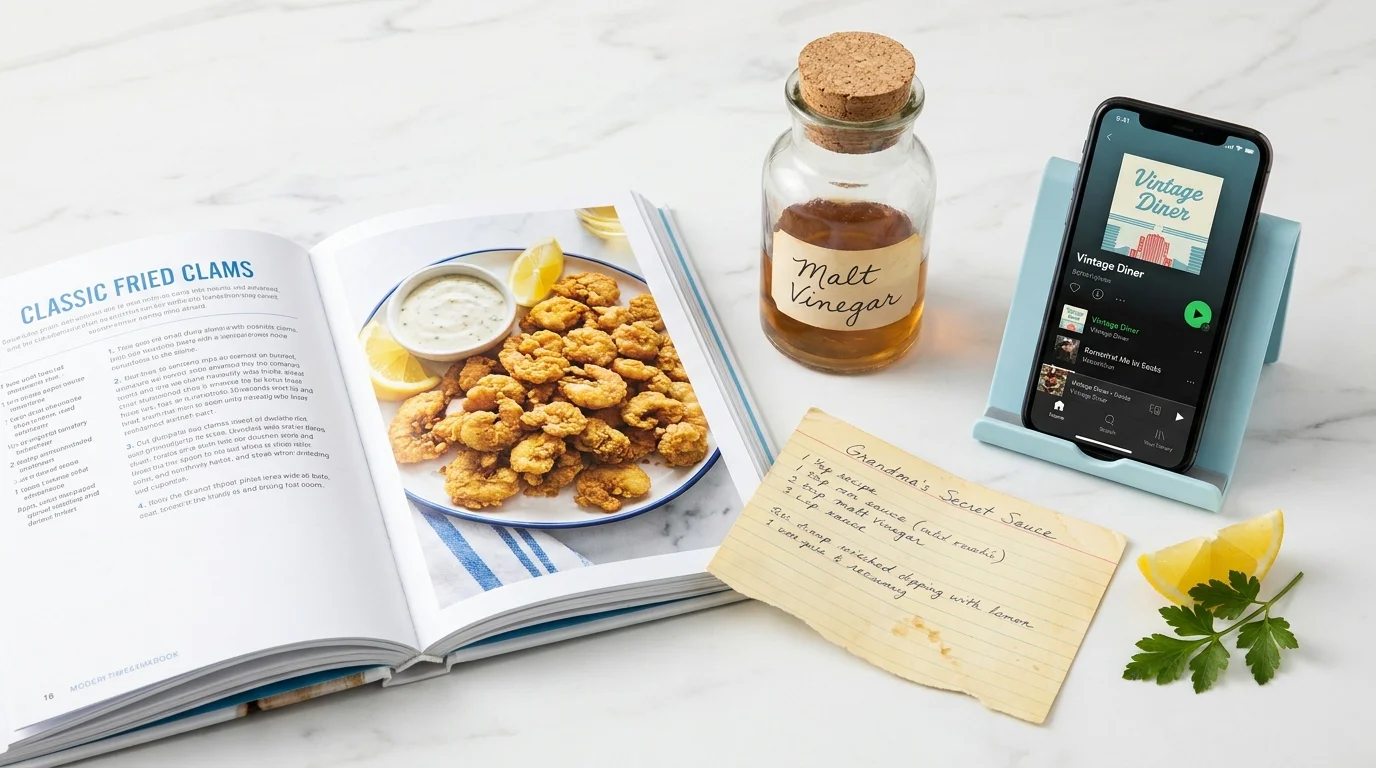
How to Satisfy Your Craving for Vintage Food Culture Today
- Recreate signature dishes at home: Online communities are filled with dedicated home cooks who have successfully reverse-engineered everything from the Lum’s Ollieburger spice rub to Chi-Chi’s sweet corn cake.
- Visit the surviving outposts: If you find yourself in northeastern Ohio, you can still visit the last few functioning Arthur Treacher’s locations for an authentic taste of their famous battered fish and chips.
- Support the modern revivals: Keep an eye on regional developments. You can now buy officially licensed Horn & Hardart coffee online, and Steak and Ale has begun its physical rollout in the Midwest.
- Seek out historic independent diners: While the big chains may be gone, countless local diners across the country still preserve the mid-century aesthetic, complete with tabletop jukeboxes, vinyl seating, and scratch-made pies.
Frequently Asked Questions
Are there any Howard Johnson’s restaurants still open?
No. The final standalone Howard Johnson’s restaurant, located in Lake George, New York, closed its doors permanently in 2022. The brand now exists solely as a hotel chain.
Did Burger Chef invent the kids’ meal?
Yes. Burger Chef introduced the Funmeal in 1973, packaging a burger, fries, drink, and a small toy or puzzle in a colorful box. McDonald’s did not introduce the Happy Meal until several years later, in 1979.
Why did the Automat disappear?
The Automat thrived on low prices, often charging just a nickel for a slice of pie or a cup of coffee. Post-war inflation made it impossible to maintain that pricing structure. Combined with the flight to the suburbs and the rise of fast-food drive-thrus, the business model simply could no longer survive.
Is Steak and Ale coming back?
Yes. A company called Legendary Restaurant Brands purchased the rights to the chain and officially opened a newly modernized Steak and Ale location in Burnsville, Minnesota, in July 2024, with plans to expand further.
While you cannot step into a time machine to retrieve a 15-cent Burger Chef hamburger or a nickel slice of Automat pie, the spirit of these establishments lives on. You can seek out surviving regional chains, support local diners that still value genuine hospitality, or recreate your favorite vintage recipes in your own kitchen. The information here is meant for educational purposes. Specific circumstances—including health conditions, finances, location, and goals—may require different approaches. When in doubt, consult a licensed professional or check official sources directly.
Last updated: May 2026. Rules, prices, and details change—verify current information with official sources before acting on it.